What Is Powdered Cellulose in Dog Food? Vet-Approved Safety Facts & FAQ


Choosing the best food for our furry companions is no easy task. With more options and specialized diets available than ever, pet parents are often left in the dark about what goes into their pet’s food.
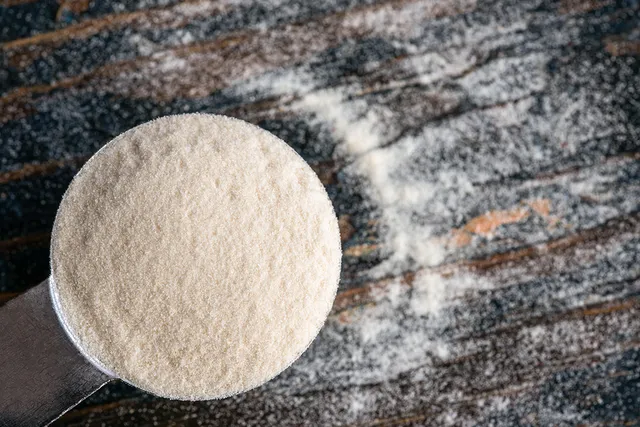
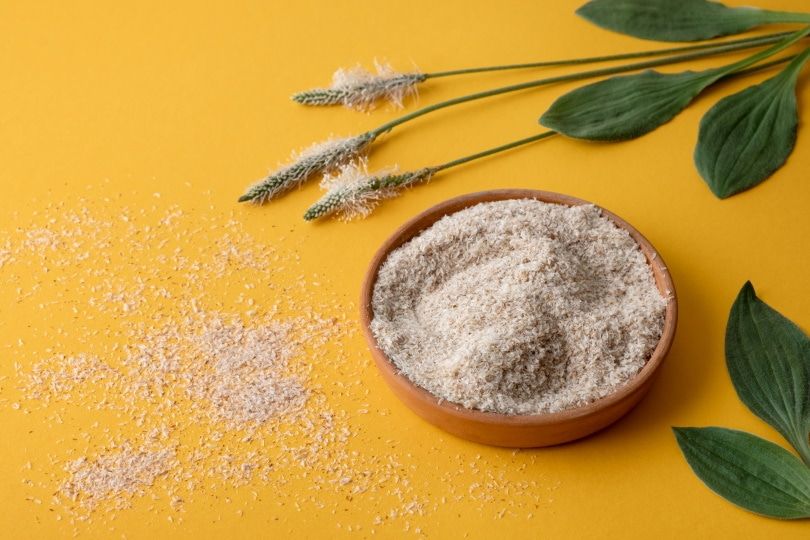
Cellulose is a fiber found in various fruits, vegetables, and other plant foods as part of the plants’ cell walls. It’s found in tree bark and plant leaves. It is an insoluble fiber, which means it cannot be dissolved in water, nor does it absorb water. Powdered cellulose is a powdered form of cellulose that is derived from such plants. It adds bulk to your dog’s food and increases satiation, making them feel fuller for longer. It’s safe for your dog to eat.

Is Powdered Cellulose Good for Dogs?
Whether powdered cellulose is suitable for dogs or not has been a hot debate in the companion animal science community. While powdered cellulose is undoubtedly non-toxic, that’s not the same as being healthy.
Proponents of using powdered cellulose in dog food cite the ease of use, necessary fiber content, and cost efficiency as reasons that the ingredient should stay on labels. But detractors point out that none of those things makes for a healthy diet component.
To some extent, the detractors are correct. Powdered cellulose is essentially a fiber supplement that in small amounts, is generally a safe addition to your dog’s usual diet. But it has no protein, carbohydrates, fats, vitamins, or minerals. It is an insoluble fiber, which means it does not absorb water and simply adds bulk to your dog’s food.
So, while powdered cellulose is safe for dogs in reasonable amounts,1 you should think of it more like added fiber than a staple of your dog’s diet.

Should Dogs Even Be Eating Plant Materials?
While many people picture dogs and their cousins, wolves, as perfect depictions of carnivores, some may assume that wolves tend toward an omnivorous diet. They may forage on nuts and berries and might even consume some of the grains found in their prey’s stomachs. However, this doesn’t mean they are omnivores, per se.
Wolves and other wild canids rely on the meat and bones of animals they hunt or scavenge as the primary bulk of their diet. Wolves and wild dogs can go for extremely long periods without foraging on berries or nuts, as long as they have access to prey meat. But in the absence of meat, they cannot sustain themselves for long periods on nuts and berries alone. Therefore, they are classified as carnivores.
Genetic studies hint that dogs may be a bit more omnivorously inclined than their wild cousins, but they fundamentally remain classified as facultative carnivores.2 Remember that wolves will only try to subsist on foraged plants as a survival mechanism when hunting is exceptionally scarce.
So it’s safe to say that you don’t have to fear a nutritional boogeyman as long as the powdered cellulose is way down the list of ingredients. However, it’s worth considering whether you’d prefer that fiber to come from a supplement or from the food ingredients that the dog food is composed of.
What Alternatives Are There to Powdered Cellulose?
If you’re interested in feeding your dog a good source of fiber, consider beet pulp or psyllium husk. In the right quantities, these can be excellent sources of fiber.
- Beet pulp improves fecal quality in dogs when included at ≤7.5% on a dry matter basis. A canine nutritionist or veterinarian can help you formulate a diet for your dog that meets such requirements.
- Psyllium husk is often used to treat both diarrhea and constipation in dogs.
While there are many dose suggestions out there, it is always best to ask a vet for advice, as they can provide a dose that’s most appropriate for your dog by factoring in their age, breed, diet, and health status.
Do Dogs Need Fiber in Their Diet?
Although there is no dietary requirement for fiber in dogs, there are health benefits when they consume certain fiber sources. In the right amounts, fiber can help food transit easily through your pet’s gastrointestinal system, increase fecal bulk and the level of water in your pet’s intestines, and help maintain a healthy gut microbiome.
Conclusion
Researching the food we feed our dogs is a good thing, and more people should do this about the products they buy! Powdered cellulose is one of those “won’t kill you but might be better to skip” ingredients. But you still shouldn't worry because it isn’t toxic for your dog! If you’re keen to add a source of fiber to your dog’s food, consult your dog nutritionist or vet for more information. They would have the best possible advice that is tailored to your dog’s dietary needs.
See also:
Sources
Featured Image By: Yuliya Padina, Shutterstock
Expert dog care, straight to your inbox
News, insights, expert advice, and everything dog.

No spam — unsubscribe anytime.
By signing up, you agree to our Terms & Conditions and Privacy & Cookies Policy.
How useful was this post?
Click a star to rate. You can leave written feedback afterwards. (We read all feedback.)
I’m a freelance writer with a passion for animal science and technology. I love to share the world of animal science with people to help them make informed decisions for themselves and their pets. I’ve worked in professional pet care for over six years and realised I could help change the world of pet care by bringing the information people needed to them in terms they could understand. Knowledge is power and I love to help everyone become the most informed they can be.