Is Corn in Dog Food Bad? Vet Approved Ingredient Guide


In this article
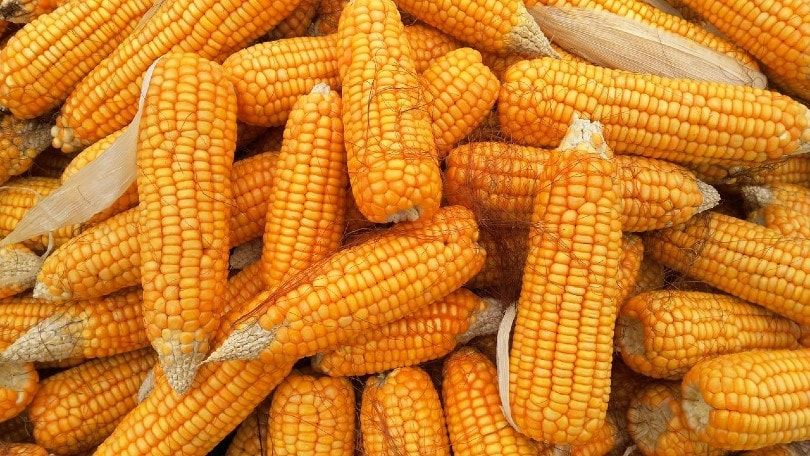
Corn is a controversial ingredient that is used in a lot of commercial dog foods. It is very much a normal dog food ingredient in grain-inclusive diets and has been for quite some time. In fact, according to The Institute for Feed Education and Research, corn is the most used ingredient in dog food1.
All the controversies can leave dog owners in a state of confusion, wondering whether corn in dog food is good or bad. While the answer to this question may vary depending on who you ask, many veterinary nutritionists have agreed that corn is not a harmful ingredient and can be beneficial as part of a well-balanced diet, as long as your dog does not suffer from a corn-related allergy.

Why Is Corn Used in Dog Food?
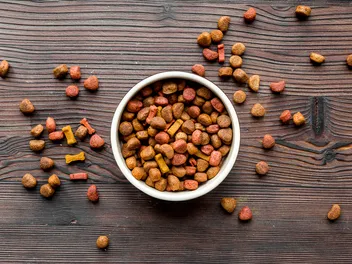
Corn is found in a wide variety of dog food, especially dry kibble. In fact, dry dog foods typically contain between 30 and 60 percent starch ingredients. The starches allow the kibble to bind and expand when cooked with water and heat. Corn is widely used because it is not only a relatively inexpensive starch, but it has been shown to provide nutritional value to pets.

Nutritional Value of Corn
Corn has even been subject to scrutiny in human diets, along with other starches but overall, it has some pretty impressive health benefits. Corn can help improve gut health and even help with lowering your chances of getting diseases like cancer, heart disease, and type 2 diabetes.
These benefits aren’t just limited to humans, either. Studies conducted on a variety of animal species show that corn has the potential of offering these same benefits to our beloved four-legged friends. Corn can be easily digestible if it is first refined into a meal or flour and then properly cooked.
Corn is rich in fiber and can also help dogs feel satisfied longer. It is also rich in vitamin C, which protects cells from damage, and the carotenoids like lutein and zeaxanthin are great for eye health. Corn also has trace amounts of vitamins B, E, and K, and other beneficial minerals like magnesium and potassium.
Overall, the studies show that corn can have benefits as a pet food ingredient and is reported as nutritionally available, promotes palatability and regular elimination, and leads to quality stools. Of course, the quality of the corn itself plays a factor in how healthy it truly is.
The Truth About Corn
There’s no way to get around it, corn is a carbohydrate and carbohydrates are an essential part of the kibble-making process. Corn makes dog food much less expensive to produce, this doesn’t just save the pet food manufacturers money, it saves you money as well.
Corn may be commonly marketed by companies as an additive to the food for the nutritional benefits alone and while those benefits may be there, that surely isn’t the only reason corn is so widely used in the pet food market.

Corn as an Allergen
Corn has been subject to much scrutiny for being a food allergen for dogs. You will notice that those promoting corn as a dog food ingredient will highlight that corn is one of the least allergenic food sources, while those promoting grain-free diets will highlight it as a potential allergen concern.
So, the truth is that corn is not a common food allergen for dogs, but it cannot be ruled out as a potential allergen. The most common food allergies observed in dogs are typically from protein sources. The most common allergens include chicken, beef, dairy, chicken eggs, soy, and wheat gluten.
Many dog foods that are crafted and marketed specifically for allergy sufferers are typically free from most of these ingredients but exclude corn as well and market it as such.
When it comes to corn, allergies may not be related to the corn itself but could be due to undetected contaminants within the grain, such as storage mites and their droppings.

Signs of Food Allergies in Dogs
Corn may not be one of the prime suspects for food allergies in dogs, but if you suspect your dog may be suffering from food allergies, you need to contact a veterinarian right away for proper testing. Once the allergen has been identified, the staff will work with you on coming up with an ideal meal plan suitable for your dog. Here’s a list of the most common signs associated with food allergies.
1. Itchy Skin
Itchiness is a common problem when food allergies are present. Itchy skin due to food allergies is known as allergic dermatitis. You may notice your dog is acting uncomfortable and may groom and scratch themselves excessively. If you can rule out a potential parasitic infestation that could be the root cause of all the itch, it’s time to speak to a vet to determine the cause of the itching.
2. Lethargy
Lethargy may go unnoticed as a food allergy sign, but it is commonly observed when allergies are flared up. If you notice that your dog has less energy than usual or seems uninterested in their usual daily activities, you may have a food allergy on your hands if lethargy is seen along with other telltale signs of a food allergy.
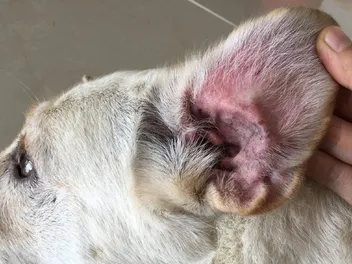
3. Recurring Skin or Ear Infections
Chronic infections are commonly seen in dogs suffering from a food allergy. These infections result from inflammation and can be present in the ears, on the paws, or even as skin lesions on other parts of the body, which result from excessive scratching. If your dog is showing signs of infection, it’s time to see a vet for proper diagnosis and treatment.

4. Gastrointestinal Problems
It only makes sense that a food allergy could affect the digestive system. One of the most common signs of digestive upset due to food allergies is excessive gas, nausea, diarrhea, and possibly vomiting. Your dog’s anal gland may even be affected because of a good allergy, so you may even notice them digging at their rear end and potentially dragging it across the floor for relief. If any signs like this occur, it's time to get your dog evaluated to determine the underlying cause.

Concerns About Grain-Free Diets
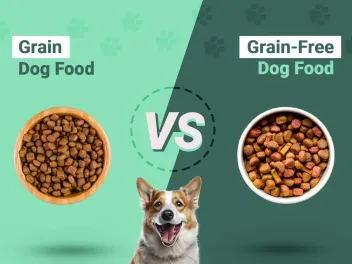
Though corn has been used for many decades in dog food, it has been subject to a lot of negative commentaries in recent years, especially when grain-free diets became hot in the pet food market.
These marketing claims have been highlighting potential health concerns and have left owners confused and worried about the diet they’ve been feeding their dogs and the impact it could have on their health.
The truth is that grain-free diets are also under some scrutiny and are being investigated for potential health concerns. In 2019, the U.S. Food and Drug Administration identified 16 different pet food brands that may be linked to heart disease in both dogs and cats.
Most of the foods being investigated are grain-free formulas. Thus far, none of these brands have been recalled and the investigation into the health concerns is ongoing. This does raise red flags and warrants cause for concern. It’s best to talk directly with a veterinarian about concerns or questions regarding the food you are feeding your pups.
How to Choose the Best Dog Food
Choosing the right food is a decision that plagues many dog owners. It’s hard to feel like you’re coming to the best decision when there is so much contradictory information about pet foods and the effect it has on health. Here are some tips for choosing the best dog food for your beloved best friend.
Read the Label

Food labels can be quite overwhelming and difficult to understand. It’s a good idea that owners learn to read the labels to better gauge the food they are considering.
Pet food labels are required by the Food and Drug Administration to give key pieces of information regarding the food, including:
- Product name
- Net weight of the product
- Name and address of the manufacturer
- Guaranteed analysis
- List of ingredients
- Intended animal species
- Statement of nutritional adequacy
- Feeding guidelines
Check the Ingredients
The ingredient list is very important to determine whether any specific food will be good for your dog and his or her specific needs. A licensed veterinarian will be able to give you information on what types of ingredients to avoid, and what to look for before you make your purchase, as they will be up to date on the current health information for your dogs.
Get an Age-Appropriate Food
Ensuring your Boxer is fed not only a high-quality food but one that is age-appropriate is very important for their overall health. Puppies, adult dogs, and seniors have different dietary requirements, so it is essential to feed a dog food that is geared toward their age group so that they are getting fed a diet that meets their current nutritional needs.

Decide Your Preferred Food Type
Most dog owners feed dry kibble since it is the most convenient and cost-effective to purchase and store. Of course, there are other types of food on the market like wet canned food, fresh food, and even freeze-dried kibble varieties. Fresh foods are becoming more and more popular for their health benefits. Some owners opt to add canned foods or fresh foods as toppers for the kibble.
Speak to a Vet
Do some research on the different food types and speak to a veterinarian to help you come to the best decision for your dog.

Conclusion
With all the different information floating around about dog food ingredients, it can pose a challenge for dog owners when deciding on what food is best. Corn is one of the most common ingredients found in commercial dry dog food and is also one of the most controversial subjects.
Not only is corn inexpensive and convenient in the kibble-making process, but some studies also support its nutritional value for dogs as well. If you have concerns about your dog’s diet, speak to a veterinarian for the best advice for your dog’s unique situation.
Sources
Featured Image Credit: mute_gemini, Pixabay
Expert dog care, straight to your inbox
Vet-reviewed advice, training tips, and the best of Dogster. Free, and you can unsubscribe anytime.
By signing up, you agree to our Terms & Conditions and Privacy & Cookies Policy.
I am a wife, mother, nature enthusiast, animal lover, and business major. I was born and raised in Ohio but now live in Tulsa, Oklahoma. We share our home with a German Shepherd, several snakes, tarantulas, and a couple rescue cats.
My husband and I enjoy traveling the US with our kids and photographing wildlife. My passion is to educate others on the importance of proper animal care, with an emphasis on reptiles and exotics since their care requirements can be much more complex. I am also a huge advocate for bully breeds. I feel most at home in the forest either on horseback or in hiking boots.
Join the conversation
Ask a question, share your story, or send private feedback.