What’s That Smell??? How To Tell the Difference Between Normal Stinky Dog Breath and A Warning Sign


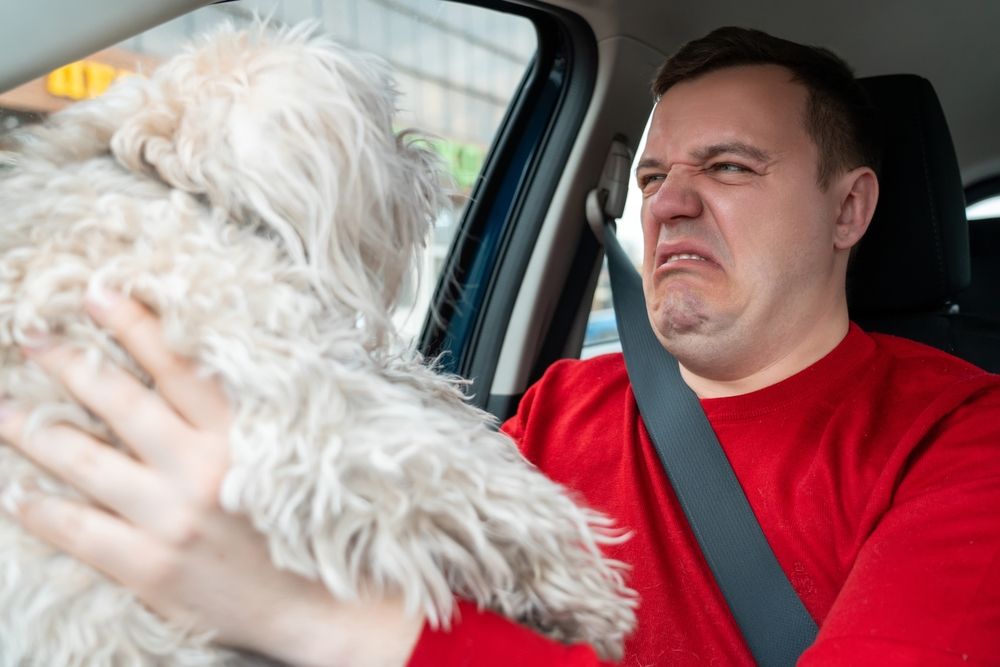
A dog's breath is never going to be minty fresh, but there's a big difference between ordinary doggy breath and an odor that's genuinely foul. A healthy dog's mouth should have a mild smell, often with a faint trace of whatever they last ate. When that smell suddenly becomes fishy, rotten, or unusually unpleasant, it can be a sign that something else is going on.
Bad breath can have several possible causes, ranging from common dental problems to health conditions that need urgent veterinary attention. Knowing what that smell might be telling you can make it easier to recognize when it's time for a closer look.
Periodontal Disease
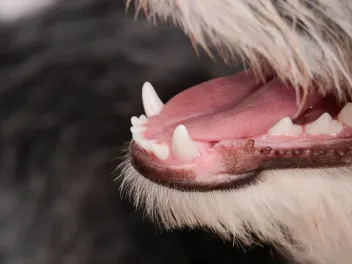
Periodontal disease is the most common cause of persistent bad breath in dogs. It develops as tartar builds up on the teeth and eventually affects the ligament holding each tooth in place.
The smell can become particularly strong and rotten as the disease progresses. Other signs include inflamed or bleeding gums, loose or missing teeth, heavy tartar, exposed tooth roots, changes in appetite, difficulty chewing, and pawing at the mouth.
Gingivitis
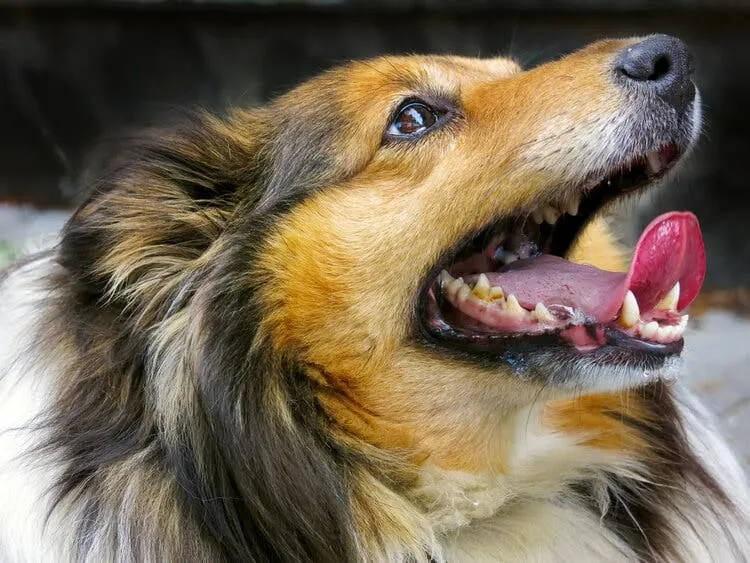
Gingivitis is an earlier stage of periodontal disease and causes the gums to become inflamed. Bad breath is often one of the first noticeable signs.
Unlike more advanced periodontal disease, gingivitis is reversible when treated. A professional dental cleaning combined with regular dental care at home can usually address the problem. Without treatment, however, gingivitis can progress into periodontal disease and eventually contribute to tooth loss.
Digestive Problems
Sometimes the mouth isn't where the problem starts. Digestive conditions can also affect the way a dog's breath smells.
Gastroenteritis, acid reflux, food intolerances, intestinal blockages, and even gastrointestinal cancer can all be associated with changes in breath odor. Many of these conditions can cause vomiting, which leaves behind a sharp, sour smell from bile.
Acid reflux can also produce a similar sour odor even when a dog isn't actually vomiting.
Dietary Habits
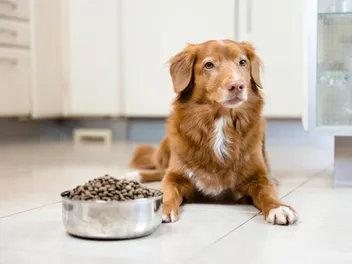
What a dog eats can have a noticeable effect on breath. It's perfectly normal for some of the smell of a dog's food to linger after a meal, but certain diets can leave a much stronger odor behind.
Seafood and fish oil supplements, for example, can give a dog's breath a distinctly fishy smell. Dogs that eat feces, whether their own or another animal's, can also develop particularly foul breath afterward. This behavior, known as coprophagia, is unpleasant but fairly common.

Problems Inside The Mouth
Bad breath isn't always caused by the teeth or gums. The oral cavity also includes the jaw bones, tongue, soft palate, and the inside of the cheeks, and problems affecting any of these areas can produce an unpleasant smell.
Injuries can become infected and lead to tissue damage, creating the odor associated with the breakdown of damaged tissue. Tumors can also develop in these areas and may cause similar tissue damage and bad breath.
Canine Diabetes
A sweet or fruity smell coming from a dog's breath can have a very different explanation. In a diabetic dog, it can be a sign of ketoacidosis, a serious complication that occurs when the body doesn't have enough insulin and begins burning fat for energy instead.
This process produces ketones, which can become toxic as they accumulate in the blood. The resulting breath can have a sweet, fruity smell that is sometimes compared with acetone.
Interestingly, not everyone can smell ketones on a dog's breath. Differences in how people perceive smells, including genetic differences in scent perception, may explain why the odor is more noticeable to some people than others.

Kidney Disease
Kidney disease can give a dog's breath a distinct ammonia-like smell.
Healthy kidneys filter waste products such as urea from the bloodstream so they can be removed from the body through urine. When kidney function is impaired, urea can build up in the blood instead.
That excess urea eventually reacts with saliva and converts to ammonia, producing the distinctive smell that can be noticeable on a dog's breath.
Anal Gland Problems
An unpleasant smell coming from a dog's mouth doesn't always originate anywhere near the mouth. In fact, the problem could be at the opposite end!
Impacted or infected anal glands can cause a dog to lick or nibble the area in an attempt to relieve the discomfort. Anal gland fluid often has an intensely fishy smell, and when a dog licks the area, that odor can transfer directly to the mouth and breath.

When Bad Breath Needs Attention
Persistent bad breath is worth investigating rather than simply trying to cover up the smell. The underlying cause could be as manageable as dental disease, but it can also be associated with more serious health problems.
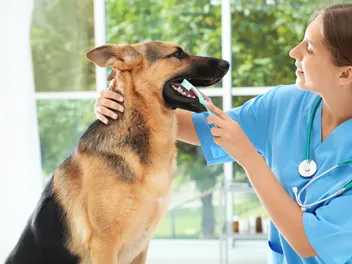
Regular brushing and professional dental cleanings can help prevent periodontal disease, which is the most common cause of ongoing bad breath in dogs.
A sudden change in breath odor deserves particular attention, especially if it appears alongside other changes such as appetite problems, vomiting, or repeated licking at a particular part of the body. In those situations, a vet can help determine what's causing the smell and whether anything else needs to be treated.
Featured Image Credit: sommthink, Shutterstock
Did You Know?
- Our brand-new posts are rounded up and included in our weekly emails. Don't miss out on the latest - sign up for our newsletter below!
Sources
Expert dog care, straight to your inbox
News, insights, expert advice, and everything dog.

No spam — unsubscribe anytime.
By signing up, you agree to our Terms & Conditions and Privacy & Cookies Policy.
How useful was this post?
Click a star to rate. You can leave written feedback afterwards. (We read all feedback.)
Dan has been working in the dog world for over 4 years, covering dogs and all other pets, helping pet parents keep their companions happy, healthy, and totally spoiled! Originally from London, Dan now works remotely, which sadly means no pets at home, but plenty of opportunities to fuss over other people's furry friends.