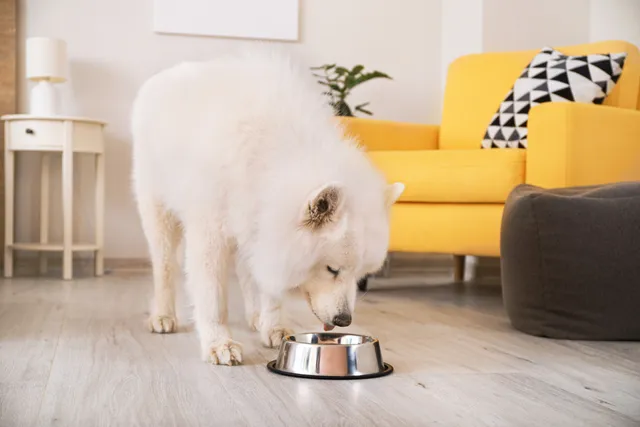
Can Dogs Eat Tapioca? Vet-Verified Facts, Pros & Cons



In this article
We see various ingredients on the back of commercial dog food labels, on our own food, and otherwise. It's hard to track exactly what's safe and what each ingredient does for the body. When it comes to tapioca specifically, you might see this ingredient listed on your dog food bag. Or maybe you're creating a DIY dog food project that calls for this particular substance.
So, is tapioca safe for dogs? The good news is that tapioca is completely safe for dogs. But we will go over how much is too much and what nutrient benefits you can expect from adding it to your dog's diet.

What Is Tapioca?
Tapioca is a starch that is extracted from the cassava root plant. This tuber plant is native to South America. It is prevalent in tropical countries and continents like Africa, Asia, and South America. The production involves squeezing starchy liquids out of ground cassava root. The water evaporates at this point, leaving behind a fine white powder.
Tapioca by itself is almost wholly starch with little to no nutritional value. It has gained popularity because it's naturally gluten-free, serving as a substitute for many wheat products.
Tapioca is usually sold as pearls, flour, or flakes. You can typically find the product both in-store and online. You can also scour ingredient labels to find tapioca listed in many different products for both humans and pets alike.

Tapioca Nutrition Facts
| Amount Per: | ¼ serving |
| Calories: | 100 |
| Carbohydrates: | 25 g |
Tapioca is almost completely without nutritional value. It's often used as a replacement for wheat, as it is entirely gluten-free. So, lots of companies use it for people and animals who suffer from gluten sensitivities and intolerances.
Dogs Can Eat Small Amounts of Tapioca
Dogs can eat tapioca, permitting that other more valuable nutrients to take up the majority of their diet. Often, tapioca is added to specific commercial dog food recipes as a carb source alternative or binding agent. This carbohydrate source acts as a form of energy in the system for dogs.
Is Tapioca Safe for Dogs?
Tapioca is safe for dogs to have in appropriate quantities. If this is an ingredient in their traditional dog food, it is completely acceptable and satisfactory. If you are adding it into their regular diet, you should do so under the guidance and supervision of the veterinarian.
Your vet will ensure they aren't getting too many carbs in their daily diet. Too many carbs can cause a few problems for your dog, including excessive weight gain.
Many folks use tapioca as a:
Dog Food Topper
You can find tapioca powder in virtually any grocery store. You can add plain tapioca powder to your dog's meal to provide an additional carbohydrate source. You can also buy all sorts of food toppers that have specific purposes.
For example, you can find doggy broth, recipes that cater to certain areas such as skin health, and appetite enhancers. These products can contain tapioca as a carbohydrate source.
Homemade Dog Food Ingredient
If you prepare your dog's meals at home, consider adding tapioca starch to your recipe. This can be an excellent choice, especially if you have a gluten-sensitive pup on your hands.
As with any ingredient, you're definitely going to want to run it by your veterinarian to make sure you are giving the correct portions. They will let you know if you should look for an alternative carb source instead.

The 3 Health Benefits of Tapioca for Dogs
Tapioca might not be full of nutrients, but there are certain benefits it can have for your dog's diet. These include:
1. Increasing Energy
Since tapioca is a carbohydrate source, it gives your dog a bunch of energy. Tapioca is often used as an energy source so your dog can metabolize these carbohydrates to fuel their bodies and improve muscular performance.
2. Improving Cardiovascular Health
Tapioca contains certain amounts of iron and manganese. Since tapioca also lacks high saturated fats, it has less of a chance of contributing to cardiovascular disease as your dog ages.
3. Enhancing Bone Density
Since tapioca is a decent source of calcium, adding it to your dog's diet can increase overall bone health.

The 2 Potential Downfalls of Tapioca for Dogs
Just the same as tapioca could have potential benefits, it also has downfalls. Here are a few to know:
1. Triggers Allergies
Even though tapioca is often added to dog food recipes to reduce sensitivities and allergies, it can also contribute to them. Typically, your dog won't experience any adverse reactions in small, infrequent amounts.
However, if you're adding a decent amount of tapioca to their daily meals, it can trigger food allergies. If you've recently started giving your dog tapioca and you notice any signs, like skin irritation, itchiness, vomiting, or upset stomach, tapioca might be the culprit.
2. Leads to Obesity
Because tapioca is so high in carbohydrates, adding an abundance to your dog's daily diet can result in weight gain. If your dog starts rapidly gaining weight, it can contribute to more serious conditions like obesity, diabetes, and pancreatitis.

How to Serve Tapioca to Dogs
You can serve tapioca to dogs by adding it to a fresh homemade recipe. You can also supplement their meals with tapioca using tapioca powder as a topper in their daily diet.
Measure correctly and try to give only the recommended dosage to avoid overfeeding.
What Dogs Benefit From Additional Carb Sources?
You might wonder why you would add tapioca to your dog's standard diet. Most of the time, if a dog is having trouble gaining weight or burns calories very quickly, an extra carbohydrate source is very beneficial.
For example, a Belgian Malinois, who is incredibly physically active, might benefit from having an additional carbohydrate source on their diet.
Similarly, if your dog is recovering from a sickness or injury, they might have lost significant weight. Adding an additional carbohydrate source can boost gradual weight gain if you're trying to encourage a bit of weight gain.
Is Tapioca Considered a Filler?
Because tapioca is considered a nutrient-lacking food, it is often considered a low-grade filler in dog foods.

Final Thoughts
Tapioca is frequently used in the pet food world. This starchy extraction is often an alternative to wheat products and acts as a carbohydrate source. Remember, if you are concocting your own homemade recipe for your dog, consult with your vet before you use any of the ingredients you're thinking of.
If you want to give supplements to your dog in addition to their standard diet, you should consult your vet about that as well. Tapioca can be a beneficial additive in certain instances; just ensure your case is included.
See also:
Expert dog care, straight to your inbox
Vet-reviewed advice, training tips, and the best of Dogster. Free, and you can unsubscribe anytime.
By signing up, you agree to our Terms & Conditions and Privacy & Cookies Policy.
Ashley Bates is a freelance dog writer and pet enthusiast who is currently studying the art of animal therapy. A mother to four human children— and 23 furry and feathery kids, too – Ashley volunteers at local shelters, advocates for animal well-being, and rescues every creature in need. Her mission is to create awareness, education, and entertainment about pets to prevent homelessness. Her specialties are dogs and cats.
Join the conversation
Ask a question, share your story, or send private feedback.