Dogster is reader-supported. When you buy via links on our site, we may earn a commission at no cost to you. Learn more.

Dog Nutrition

What Is Crude Fiber in Dog Food? Vet-Verified Nutrition Facts & FAQ

Luxifa Le
By Luxifa Le · Reviewed & fact-checked by Dr. Paola CuevasVet Approved
Dr. Paola Cuevas
Reviewed & Fact-Checked byDr. Paola CuevasVeterinarian
Dr. Paola Cuevas is our Senior In-House Veterinarian at Dogster and Pangolia. She has over 19 years of experience working with an array of species and loves sharing her knowledge and experience with our readers and aims to provide assistance with any issue presented by your non-human family members. She received her degree from the University of Guadalajara, Mexico.View authorThe information is current and up-to-date in accordance with the latest veterinarian research. Learn more
Updated on June 17, 2026
Share
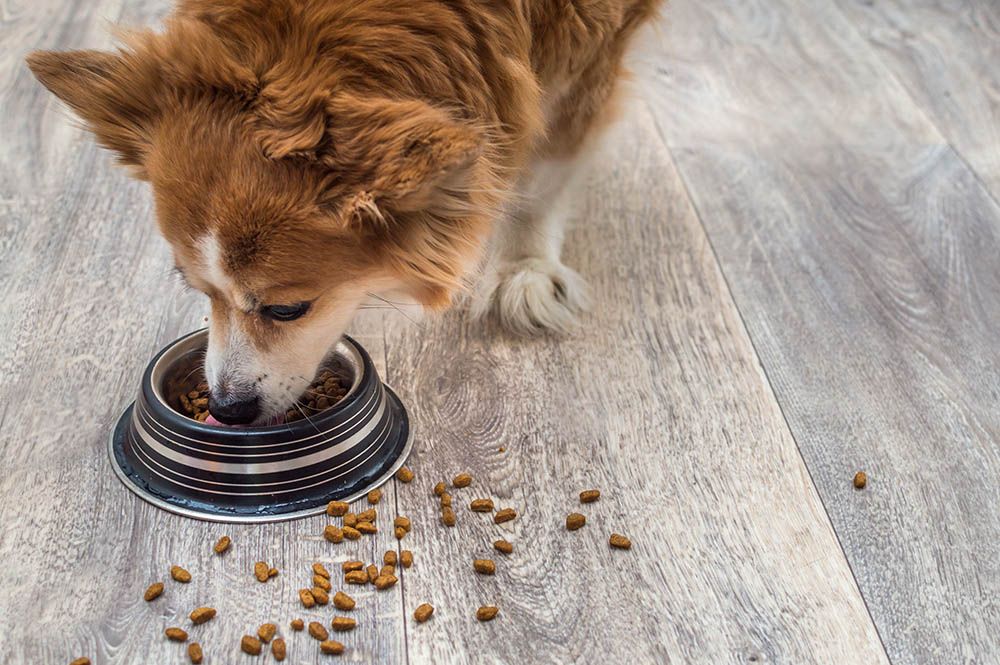
Ginger dog eating

Finding good dog food can certainly be an uphill battle in many ways. Whether the problem is finding food that has the right nutritional components or if you have a picky dog who may not want to eat food, it can be challenging! Understanding all the jargon printed on the nutrition label presents another layer of difficulty.

While “crude fiber” might sound menacing to some, it is perfectly safe and healthy for dogs. It reflects a measure of a food’s amount of fiber. “Crude” suggests that the value was obtained through chemical analysis; it does not indicate that the food is low quality, dangerous, or anything negative.

Fiber is typically composed of the indigestible portions of plant materials. It helps maintain gut health and aid digestion. Keep reading to learn everything you need about fiber content in your dog’s food!

What Is Fiber?

Fiber is an undigestible compound found in plant maters. Typically, fiber is seen as the parts of the plant material that cannot be digested by a dog. It is critical for gut health and stability. It’s beneficial for dogs with difficulties expressing their anal glands or those with loose or runny stools.

There are two main types of dietary fiber, soluble and insoluble. Soluble fiber acts like a sponge soaking up moisture. In this case, it attracts water to form a gel around the ingesta and slows digestion. Insoluble fiber helps balance the GI transit time by speeding digestion.

The amount of fiber needed in a diet varies from dog to dog. It helps keep their gastrointestinal tract healthy. Dogs who have persistent issues with digestion or anal gland blockages can be started on a high-fiber diet to improve these conditions.

Fiber sometimes gets a misnomer as a “filler” ingredient. But fiber is far from a filler ingredient, as most animals must promote healthy digestion. Most natural sources of fibers are carbohydrates. So, if your dog needs a low-carb diet, that will be a lower-than-average fiber diet by default, unless fiber sources are added to the formula.

Image By: Anna Hoychuk, Shutterstock

Where Does Fiber Come From?

Fiber is primarily derived from the indigestible plant materials that come along with the more digestible nutrients. Assuming your dog eats some amount of plant material—most animals do. Even carnivores eat the contents of their prey’s stomach, which are often composed of various plants and grains.

What Are There Benefits of Fiber in Dog Food?

Fiber promotes healthy digestion in several ways. Fiber helps to regulate intestinal motility and digestion transit time. It bulks up the material in your dog’s digestive system, helping to give stool the right consistency. One of the most important characteristics of fiber is that it functions as a prebiotic, which means that while dogs can’t digest fiber, it is a food source for the beneficial bacteria in the dog’s digestive system. Fiber promotes the growth of beneficial gut bacterial colonies, and they in turn aid in healthy digestion and protect the dog’s health by preventing pathological bacteria from colonizing the gut. Beneficial gut bacteria play a very important role in your dog’s health. They support healthy digestion, nutrient assimilation, and immune protection.

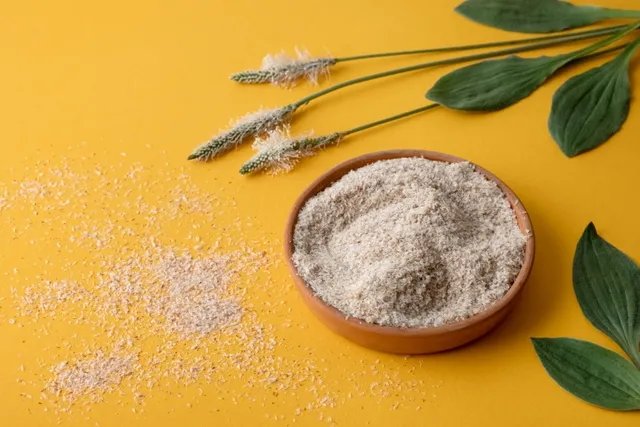
Image By: alexei_tm, Shutterstock

Are There Risks to Low Fiber Diets?

Yes! While some dogs may need a low-fiber diet for health issues, this should only be employed if your veterinarian recommends it. Low-fiber diets in humans have been linked to conditions like chronic constipation, hemorrhoids, and even bowel cancer. So, it’s best to ensure that your dog meets all its nutritional needs, including fiber.

Dogster divider_v3_NEW_MAY_24_

Summary

Understanding nutritional labels isn’t easy! Most labels are so heavily obscured with jargon that it can seem nearly impossible to get your head around the information. Luckily, we are here to help demystify the jargon. You need not worry about the safety of “crude” fiber in your dog’s food.

See Also:

Sources

Featured Image Credit: Anastasiya Tsiasemnikava, Shutterstock

The Dogster Newsletter

Expert dog care, straight to your inbox

News, insights, expert advice, and everything dog.

No spam — unsubscribe anytime.

By signing up, you agree to our Terms & Conditions and Privacy & Cookies Policy.

Click a star to rate. You can leave written feedback afterwards. (We read all feedback.)

Luxifa Le
Authored by

Luxifa Le

What Is Powdered Cellulose in Dog Food? Vet-Approved Safety Facts & FAQ

What Is Powdered Cellulose in Dog Food? Vet-Approved Safety Facts & FAQ

Choosing the best food for our furry companions is no easy task. With more options and specialized diets available than ever, pet parents are often left in the…

Luxifa Le
By Luxifa Le · 3 weeks ago
Inulin for Dogs: Vet-Verified Benefits, Uses & Side Effects

Inulin for Dogs: Vet-Verified Benefits, Uses & Side Effects

Inulin is a type of hormone growing in popularity because scientists have linked it to several health benefits for humans. It is natural to wonder if it is als…

Ed Malaker
By Ed Malaker · 3 weeks ago
How To Calculate Carbohydrates in Dog Food: Our Vet Explains the Math & Considerations

How To Calculate Carbohydrates in Dog Food: Our Vet Explains the Math & Considerations

If you look at the nutritional values of any bag of dog food, you might notice that one ingredient is conspicuously missing. Dog food companies are not require…

Dr. Ashley Darby
By Dr. Ashley Darby · 2 weeks ago
How Much Crude Protein Should Be in Dog Food? Vet-Verified Facts & Advice

How Much Crude Protein Should Be in Dog Food? Vet-Verified Facts & Advice

Finding out how much crude protein should be in dog food, as it turns out, is not an easy question to answer. Let's explore why. The amount of crude protein th…

Kristin Hitchcock
By Kristin Hitchcock · 2 weeks ago

Do Dogs Need Carbohydrates? Vet Approved Facts & Advice

Carbohydrates are sugars, fibers, and starch. Strictly speaking, dogs technically do not need carbohydrates in their diet, but because carbs produce energy, th…

Matt Jackson
By Matt Jackson · June 17, 2026
Do Dogs Need Carbohydrates? Vet Approved Facts & Advice

Should Dogs Eat the Rainbow? Vet-Reviewed Eating Tips for Canines

Dogs are often considered to be carnivores that require a meat-heavy diet. Still, there are some similarities between a dog’s diet and a human’s diet. However,…

Jessica Kim
By Jessica Kim · June 27, 2026
Should Dogs Eat the Rainbow? Vet-Reviewed Eating Tips for Canines

What Is Crude Protein in Dog Food? Vet-Verified Facts & Advice

Nutritional labels can be confusing, and that goes for those on bags of dog food, too. If you have looked at the nutritional labeling on dog food before, you’v…

Misty Layne
By Misty Layne · June 17, 2026
What Is Crude Protein in Dog Food? Vet-Verified Facts & Advice

Can Dogs Eat Cornstarch? Vet-Approved Nutrition Guide & FAQ

Cornstarch is a commonly used ingredient in cooking and baking, often as a thickening agent for casseroles or soups. It is an excellent source of fiber and, as…

Nicole Cosgrove
By Nicole Cosgrove · June 17, 2026
Can Dogs Eat Cornstarch? Vet-Approved Nutrition Guide & FAQ

What Ingredients to Avoid in Dog Food: 6 Vet-Verified Additives to Keep Away

Pet owners are putting more effort into their pets, including choosing high-quality pet foods to help them live long and happy lives. With many dog foods on th…

Nicole Cosgrove
By Nicole Cosgrove · July 4, 2026
What Ingredients to Avoid in Dog Food: 6 Vet-Verified Additives to Keep Away

Are Ancient Grains Good for Dogs? Vet-Approved Health & Nutrition Advice

There has been information swirling around in recent years telling us that certain grains, like white rice, aren’t the healthiest starch options for people or…

Chris Dinesen Rogers
By Chris Dinesen Rogers · June 27, 2026
Are Ancient Grains Good for Dogs? Vet-Approved Health & Nutrition Advice

Is Dry Dog Food Bad for Dogs? Vet-Reviewed Pros & Cons

There has been controversy surrounding dry food in the dog food world for years now. Proponents of raw food and fresh food diets argue that dry dog food is unh…

Kit Copson
By Kit Copson · June 16, 2026
Is Dry Dog Food Bad for Dogs? Vet-Reviewed Pros & Cons

What Is Ash in Dog Food? Vet Approved Facts & FAQ

If you’ve been checking out the nutritional label on your dog’s bag of food and your first thought was something along the lines of “What the…?!” when you spot…

Kit Copson
By Kit Copson · June 16, 2026
What Is Ash in Dog Food? Vet Approved Facts & FAQ

Love Dogs? So Do We! Join the Dogster Community

Stay informed with expert pet care insights delivered straight to your inbox! Discover professional guidance on animal behavior, feeding tips, trusted product picks, and much more.

You may opt-out at any time. View our Privacy Policy for more information.

The Dogster app on a phone