Annoying Habits That Are Actually Cries for Help



Dogs are easy to love but, on occasion, are also surprisingly difficult to live with. Barking for no reason. The leash pulling that turns a simple walk into a tug-of-war. Turning the most expensive thing in the room into a chew toy…
Most dog owners have dealt with at least one of these behaviors, and it’s tempting to see them simply as bad habits. But the truth is, there is often a reason behind these irritating habits. Dogs communicate through behavior, and what looks like a nuisance is sometimes a symptom of an unmet need. The trouble is that we often get distracted by tackling that symptom when we really need to dig deeper.
Understanding what is driving an annoying or unwanted behavior can make it much easier to address.
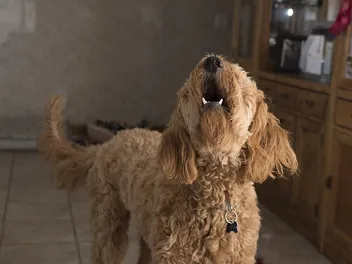
Incessant Barking
Dogs bark for many reasons, including boredom, anxiety, fear, a perceived threat, or a desire for attention. Any dog can develop a barking habit, regardless of size.
The key is identifying what triggers it. Boredom-related barking may improve with more exercise and mental stimulation, while anxiety or fear-based barking generally requires a more structured approach. Teaching a reliable "quiet" command and avoiding accidentally rewarding attention-seeking barking can also help.
Naturally vigilant dogs that spend their days standing guard at windows and alerting you to every passerby or suspicious-looking trash can may become less anxious if you block or obscure their view of the street. Limiting access to front-facing rooms or applying privacy film to windows can be a simple solution – if they can’t see it, they stop worrying about it.
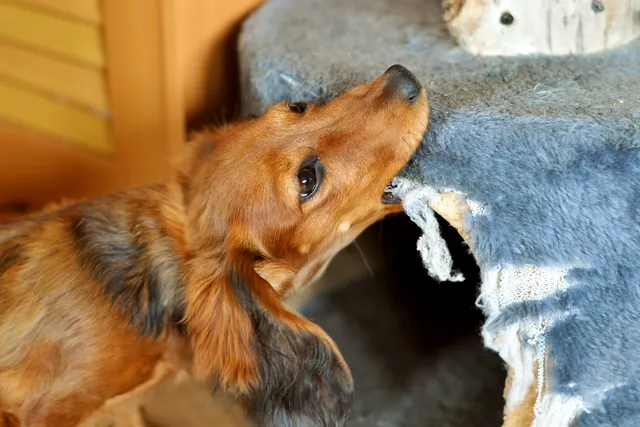
Destructive Chewing
Chewing is normal for dogs, particularly teething puppies, but it becomes a problem when furniture, clothing, carpets, or walls become the preferred targets.
Boredom and anxiety can contribute to destructive chewing, as can a lack of appropriate outlets. Keeping suitable chew toys available, putting valuable items out of reach, and managing the environment while the dog learns what is acceptable can help redirect the habit.

Jumping Up
A dog that greets visitors by launching itself at them has usually learned that jumping gets a response. Even pushing the dog away or telling it to stop can give them the attention they’re seeking.
Ignoring the jumping and rewarding calm, four-paws-on-the-floor behavior teaches the dog that staying down gets the better response. Giving the dog an alternative behavior, such as sitting, can make the lesson clearer.
When faced with a friendly jumping dog, try the following:
Keep your arms crossed, mouth closed, and eyes averted.
Walk forward with your knees up to prevent their paws from getting purchase.
Ignore them until they are calm and ready to listen to your command.
Begging At The Table
Dogs beg because it has worked before. Even one successful attempt at getting food from the table can establish the habit, making it particularly difficult to break.
Feeding the dog before your mealtimes can reduce the motivation to beg, while teaching it to settle in a designated spot gives it something else to do. The biggest challenge is consistency. Giving in occasionally can keep the behavior going.
Table scraps can also pose health risks because some common human foods are harmful to dogs, while regular extras can contribute to obesity.
Pulling On The Leash
Leash pulling can make an otherwise enjoyable walk exhausting. Dogs often pull because they are excited and have not learned that pulling does not make the walk happen faster.
Loose-leash training takes patience. Stopping whenever the leash becomes tight and continuing only when it becomes slack teaches the dog what behavior allows the walk to continue. Rewarding the dog for walking beside the handler can reinforce the lesson, while a well-fitted harness may provide additional control during training.
Different dogs need different equipment, and what works for a small dog is not necessarily going to be suitable for a large one. Talk to your vet about the safest and most effective option for you and your dog.

Not Coming When Called
Poor recall is frustrating, but it can also be dangerous if your dog runs towards traffic or another dog.
Training should start in areas with few distractions before gradually becoming more challenging. High-value rewards can make coming back more appealing, while using the recall command for unpleasant situations can create a negative association that undermines the training.
Digging Up The Garden
Digging is instinctive for many dogs and can also be linked to boredom or excess energy. Trying to eliminate the behavior completely may not be the most practical approach; redirection has a much higher chance of success.
Create a designated digging area, such as a sandbox or corner of the yard, making sure there is a clear distinction between this and the rest of the garden. It may be unsightly, but laying down some temporary netting or a similar obstacle in the rest of the yard can help teach your dog where they can and cannot dig. Burying toys or treats there can make the spot more appealing, while increasing daily activity may reduce the urge to dig elsewhere.

Separation Anxiety
Some dogs struggle when left alone. The resulting distress can include destructive behavior, excessive barking, and other difficult behaviors.
Gradually getting a dog used to being alone, starting with very short absences and slowly increasing them, is an evidence-based approach. Providing a comfortable, safe space can also help.
Avoid making a fuss of your dog when leaving the house or on your return – your comings and goings should become part of an ordinary day, not an event. More severe cases of separation may require veterinary input or help from a behaviorist.
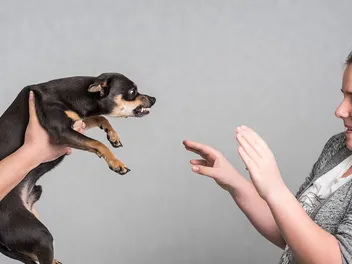
Aggression
Aggression can have many possible causes, including fear, poor socialization, pain, territorial behavior, or negative past experiences. Because the appropriate response depends on the cause, this is one behavior where professional help is particularly important.
A veterinary examination can help rule out an underlying medical problem, including pain. A qualified trainer or behaviorist can then help address the behavior using approaches such as positive reinforcement, desensitization, and counterconditioning. Punishment can make aggression worse rather than better.
Housetraining Accidents
Occasional accidents can happen, but frequent or sudden indoor elimination deserves attention.
For dogs that are still learning, regular bathroom breaks and immediate positive reinforcement for going outside provide the foundation for housetraining. Enzymatic cleaners are useful for removing waste odors that can otherwise encourage a dog to return to the same spot.
If a previously house-trained dog suddenly begins having accidents, a check-up at the vet is appropriate to check for a possible medical cause.

What These Behaviors Have In Common
Barking, chewing, jumping, digging, and the other behaviors on this list may be frustrating, but they rarely happen without a reason. Looking at what a dog is trying to communicate can reveal whether it needs more activity, clearer training, or a different kind of attention.
Addressing the underlying issue rather than simply trying to stop the behavior can make the problem easier to manage and help strengthen the relationship between you and your dog.
Featured Image Credit: sanjagrujic, Shutterstock
Did You Know?
- Our brand-new posts are rounded up and included in our weekly emails. Don't miss out on the latest - sign up for our newsletter below!
Expert dog care, straight to your inbox
Vet-reviewed advice, training tips, and the best of Dogster. Free, and you can unsubscribe anytime.
By signing up, you agree to our Terms & Conditions and Privacy & Cookies Policy.
Dan has been working in the dog world for over 4 years, covering dogs and all other pets, helping pet parents keep their companions happy, healthy, and totally spoiled! Originally from London, Dan now works remotely, which sadly means no pets at home, but plenty of opportunities to fuss over other people's furry friends.
Join the conversation
Ask a question, share your story, or send private feedback.