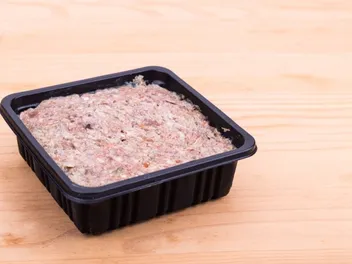
Bone Meal in Dog Food: Is It Healthy for Your Dog?



In this article
If you’ve ever spent any time reading the ingredients list on dog food labels, then you might have noticed one particular ingredient cropping up occasionally: bone meal.
So what is bone meal, and is it good for dogs? The short answer is yes, it can be. But there is more to consider. Keep reading below as we explore the benefits that bone meal has for dogs and potential risks to be aware of.

What Is Bone Meal?
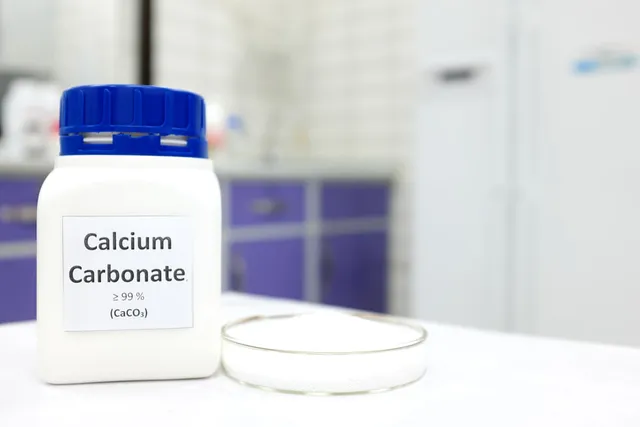
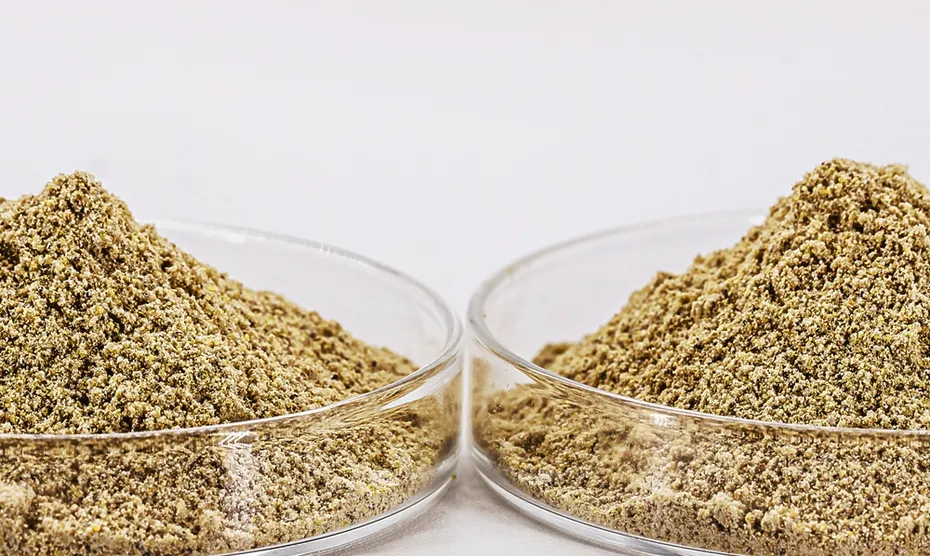
Bone meal is a finely ground powder made from animal bones, typically from cows or other livestock. It is used as a nutritional supplement in dog food due to its high content of minerals, especially calcium and phosphorus.
Is Bone Meal Good for Dogs?
The minerals contained in bone meal are important for your dog’s health. The most important of these are phosphorous and calcium.
Phosphorus is essential for healthy bones and teeth, and it’s also vital for keeping your dog’s cell walls healthy. It’s a core component of both DNA and RNA, and it’s used to provide energy at the cellular level.
Calcium is important for healthy bones and teeth as well, and it’s a vital component of the transfer of information between cells and nerve impulses. It also helps with blood coagulation and muscular contraction.
If your dog doesn’t get enough calcium or phosphorous in their diet, they’ll start to cannibalize their own body to make up the difference. This can lead to weakened teeth, brittle bones, and a whole host of other health issues.
Your dog can get all these benefits from bone meal.
Why Bone Meal?
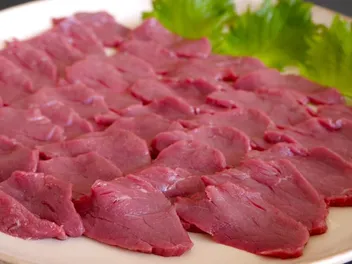
The idea is that when dogs were wild animals, they would eat the bones and the meat of any prey that they captured, naturally obtaining round-up nutrition from consuming whole prey.
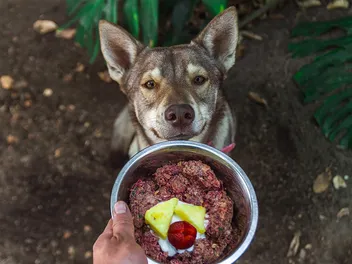
You can find bone meal in many commercial dog foods, but it is also sold separately. Many people who feed their dogs a raw diet will sprinkle bone meal into each serving since raw feeding is based on no heat processing. Those bones are usually grounded while raw.
You can also make bone meal at home if you prefer. It is simply a process of steaming chicken or beef bones until they’re pliable and then grinding them up in a food processor.
Are There Any Risks Associated With Feeding Your Dog Bone Meal?
For the most part, bone meal is healthy for dogs if you buy the right kind (food graded and free from pathogens or heavy metals) or make it yourself. The biggest risk lies in serving your dog too much, as it can bind together in their digestive tract and potentially cause, or even worse, an obstruction that will require surgery to remove.
If you’re making it yourself, be sure to pulverize the bones as thoroughly as you can, as any shards could perforate your dog’s stomach or intestines. Also, make sure they have plenty of water available so the meal passes safely through their digestive tract.
It is important to realize, though, that there are a variety of bone meals sold, and not all of them are designed for canine consumption. Some bone meal is sold for gardening purposes, as it may contain other ingredients in the mix. Never give your dog bone meal that’s intended for gardening, as it could be full of toxic fertilizers, herbicides, etc.
Likewise, some bone meal has added vitamin D in it. These should be avoided, as excessive vitamin D is toxic and can cause kidney failure and death in dogs.
All you want in your bone meal is ground-up bones, nothing else. Regardless of whether you’re making it yourself or buying it at the store, make sure it doesn’t have anything more than what nature intended inside it.
But even when feeding food-grade bone meal to your dog, this should be done carefully to prevent the risk of hypercalcemia. Feeding your dog too much calcium can interfere with normal mineral balance, potentially causing kidney issues or skeletal problems, particularly in growing puppies.

What About Bone Meal in Commercial Dog Foods? Is It Safe?
The best answer we can give to this is that it depends. As a general rule of thumb, bone meal in higher-end foods will be safer than what you find in their bargain-basement competitors.
The issue lies in where the bones are coming from. Higher-quality foods will use bones (and meat) from food-grade sources; basically, this is meat that you would eat yourself and would have no issue serving to your dog.
Cheaper foods, on the other hand, often use bone meal (and meat) made from feed-grade sources. These are considered leftover scraps of meat that aren’t fit for any other uses; they’re all scraped together, cooked, and repackaged as meals or other ingredients. The problem is that you don’t know what kind of animal, how those animals die, or how they lived for that matter, leaving the possibility of heavy metals, toxins or even pathogens present if the products are not properly sterilized and handled.

Should You Feed Your Dog Bone Meal?
If properly prepared, bone meal can have important benefits for dogs, such as strengthening their teeth and bones. It is not essential, however, and unless your dog has a calcium or phosphorus deficiency, they’re likely getting all the nutrients that they need from their diet already.
Anyone feeding their dog a raw diet might want to consider adding it to their pup’s food, though. In addition to helping fill out any gaps in their diet, it is also quite flavorful, so your dog will undoubtedly appreciate it. Additionally, some will opt for other sources of calcium and phosphorus to balance the diet.
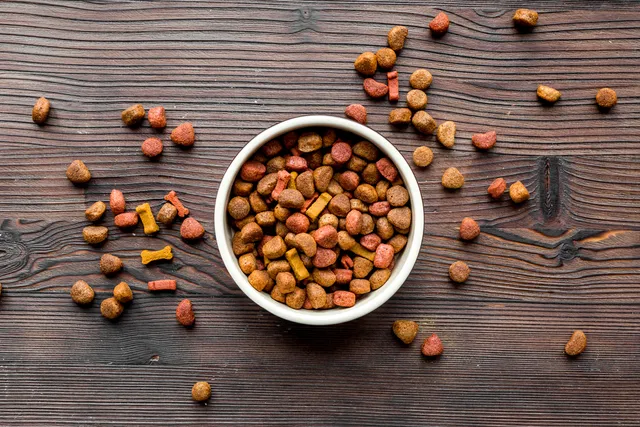
If bone meal is in the food that you’re already serving your pooch, it is likely there to provide them with the nutrients that they need for complete and balanced nutrition. Of course, you want to ensure you are feeding your dog a high-quality diet manufactured with safe ingredients from reliable sources to keep them not only healthy but thriving.
Whatever the case, when in doubt, it is best to consult your vet and it is never recommended to supplement your dog’s diet without the approval of your veterinarian.
Sources
Featured Image Credit: BoJack, Shutterstock
Expert dog care, straight to your inbox
News, insights, expert advice, and everything dog.

No spam — unsubscribe anytime.
By signing up, you agree to our Terms & Conditions and Privacy & Cookies Policy.
How useful was this post?
Click a star to rate. You can leave written feedback afterwards. (We read all feedback.)
Nicole has loved animals of all sizes her whole life so it's no wonder she has dedicated her career to helping them through what she loves best: learning, writing, and sharing knowledge with others. She’s the proud mom of two dogs, a cat, and a human. With a degree in Education and 15+ years of writing experience, Nicole wants to help pet parents and pets around the planet to live happy, safe, and healthy lives.