Should Dogs Eat the Rainbow? Vet-Reviewed Eating Tips for Canines


In this article
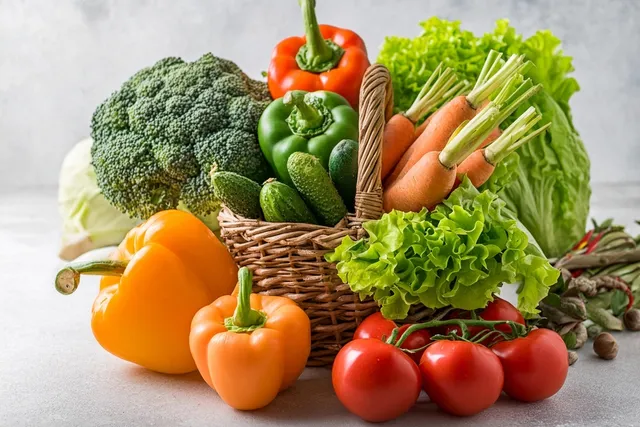
Dogs are often considered to be carnivores that require a meat-heavy diet. Still, there are some similarities between a dog’s diet and a human’s diet. However, they are not omnivores like we are. Dogs may benefit from eating the rainbow, which means consuming certain fruits and vegetables in moderation, alongside an animal protein-based diet, as dogs are facultative carnivores.
Proper diet and nutrition are essential for a dog’s daily functioning. Knowing their nutritional needs will only help you take better care of your dog and promote happy and healthy living.

A Healthy Diet for Dogs
A dog’s nutritional need can be broken down into the six essential nutrients:
Dogs primarily use proteins and fats as their primary energy source. The amount of protein a dog should consume will depend on a variety of factors, including their age, size, stage of development and health condition. In general, an adult dog’s diet should consist of at least 18–22% protein, based on AAFCO guidelines.1 It’s not recommended for dogs to have a diet that exceeds 30% protein, as this may lead to undesirable effects.
Contrary to popular belief, dogs are able to process carbohydrates.2 They have digestive enzymes designed to break down carbohydrates and convert them into energy. Therefore, they can benefit from eating healthy grains and starches, such as barley, oatmeal, sweet potatoes, and rice. Carbs are used as a readily available source of energy, as well as other nutrients such as fiber, antioxidants, and essential fatty acids, based on their origin.
As valuable as meat sources are in a dog’s diet, containing essential amino acids, a balanced diet that combines animal protein with plant ingredients seems to provide dogs with most health benefits. Many kinds of fruits and vegetables contain vitamins and minerals that dogs rely on for daily bodily functioning. The Association of American Feed Control Officials (AAFCO) has guidelines for essential vitamins and minerals for dogs and how much they must consume.

What’s Inside Dog Food?
Dog food can seem bland and lacking in color, especially when you’re looking at dry kibble. However, high-quality dog food contains a diverse blend of ingredients. They usually contain animal protein, most commonly beef, fish, lamb or chicken. When you read the ingredient list, you’ll also find a variety of grains, fruits, and vegetables. A vitamin and mineral supplement mix may be added to ensure the food qualifies as a complete and balanced diet.
How Can Dogs Benefit from Eating the Rainbow?
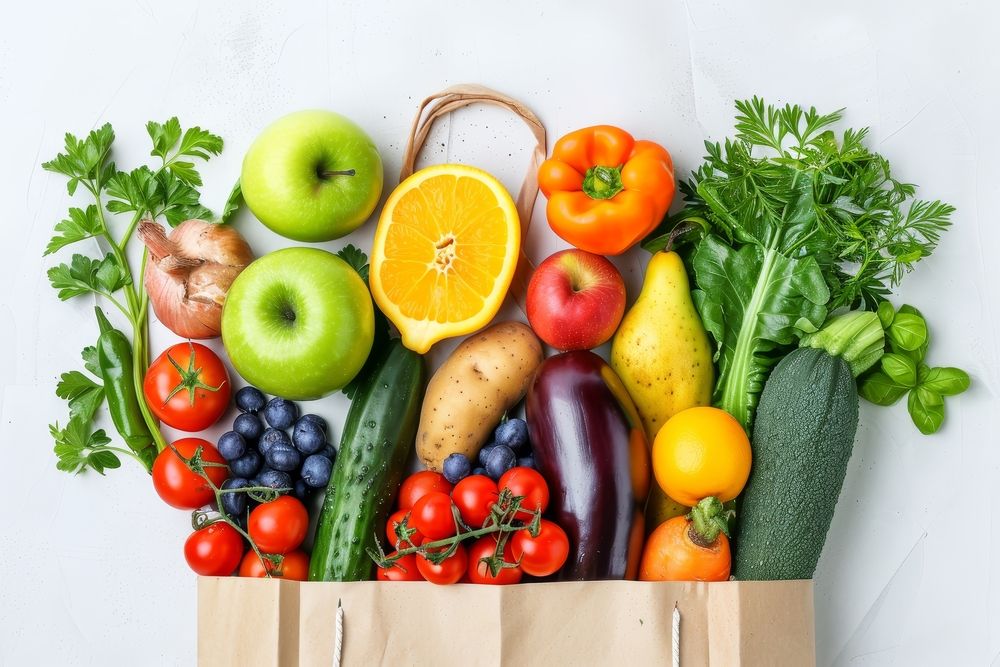
Eating the rainbow refers to feeding dogs fruits and vegetables of different colors to help boost their nutrient intake. Although dog food contains everything your dog needs for a healthy diet, feeding your dog additional fruits and vegetables according to your vet’s advice can be beneficial for them as long as the fruits and vegetables are fed in moderation.
For example, feeding your dog foods such as blueberries and cranberries can give your dog antioxidants that help prevent diseases. Carrots contain beta-carotene, which helps maintain a dog's eyesight. Fruits such as apples and bananas provide other nutrients, vitamins, and minerals that benefit your dog’s health.
However, too many fruits and vegetables can also be bad for dogs if fed in excess. Fruits are high in sugar, and consuming too much sugar over time can lead to issues such as obesity which may predispose for diabetes and other health issues. Some fruits and vegetables are higher in fats, or in the case of spinach, oxalates which can contribute to kidney and urinary issues if eaten in high amounts.
So, it’s important to only feed fruits and vegetables as occasional snacks or treats. Consult a veterinarian if you’re unsure how much and how often to feed your dog fruits and vegetables.
Common Fruits and Vegetables Dogs Can Eat
When a dog is eating high-quality dog food, you don’t really have to supplement their diet with other foods. However, your dog can still enjoy eating fruits and vegetables as special snacks and treats. The following fruits and vegetables are fairly popular amongst dogs:
- Apples
- Apricots
- Bananas
- Berries
- Broccoli
- Carrots
- Green beans
- Peas
- Pumpkin
- Spinach
- Sweet potatoes
As a reminder, dogs don’t need added fruits and vegetables to become a regular part of their diet. So, make sure to treat them more like snacks and feed them to your dog in moderation. However, if your dog is suffering from diabetes, pancreatic or gastrointestinal health issues, consult with your vet first.
If it’s your first time feeding your dog a specific fruit or vegetable, make sure to check that they’re not toxic to dogs beforehand. Avocadoes, grapes, and onions are all examples of foods that are safe for humans to eat but toxic to dogs.

How to Choose the Right Dog Food
Not all dog food is the same. Even if two types of dog food contain the same percentages of protein, fats, and carbohydrates, they can have a different effect on dogs depending on the quality of the ingredients.
The types of ingredients in dog food affect digestibility and the efficiency rates of nutrient absorption. Low-quality ingredients, like animal by-products and artificial flavors, are less digestible for dogs and can even cause them to get sick. Meanwhile, whole food ingredients are often more nutrient-dense and are easier for dogs to digest.
When shopping for new dog food, it’s best to start your search with your veterinarian. Your veterinarian can assess your dog’s physical condition and make tailored recommendations for them.
The general recommendation for dog food is to purchase the highest quality of food that fits into your budget. Make sure to check ingredient lists and stick with dog food that mostly consists of natural, whole-food ingredients and ensure the diet you choose for your dog follows AAFCO recommendations.
Conclusion
Dogs require eating a varied diet. Fortunately, high-quality commercial dog foods already contain a blend of nutritious whole ingredients and meet standards for a complete and balanced meal. However, if you’re feeling inspired to add more color to your dog’s diet, you can introduce your dog to a wide variety of dog-safe fruits and vegetables in moderation. Consult your vet first, particularly if your dog has an underlying health issue, such as diabetes. While raw produce alone isn’t a sustainable diet for dogs, your dog can certainly enjoy eating fresh fruits and vegetables as occasional tasty and nutritious snacks alongside a complete and balanced diet.
Sources
Featured Image Credit: Adri Yadam Nasir, Shutterstock
Expert dog care, straight to your inbox
Vet-reviewed advice, training tips, and the best of Dogster. Free, and you can unsubscribe anytime.
By signing up, you agree to our Terms & Conditions and Privacy & Cookies Policy.
Jessica is a freelance writer who spends bigger part of her day researching and writing while her furry companion Cavapoo, Nora, snoozes beside her. She loves dogs, pets and animals because there’s so much to learn from them, and they do so much for us. As a dog mom, she understands the strong connection that pet parents have with their pets. So, she loves sharing helpful information that pet owners can use to better understand their beloved pets. When she isn't writing, you may find her walking dogs, tending to her plants, or drinking her nth cup of coffee.
Join the conversation
Ask a question, share your story, or send private feedback.