Are Ancient Grains Good for Dogs? Vet-Approved Health & Nutrition Advice


In this article
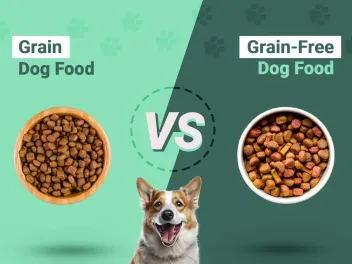
There has been information swirling around in recent years telling us that certain grains, like white rice, aren’t the healthiest starch options for people or dogs. So, many pet parents have started to wonder if ancient grains would be a better option. Despite what some marketers may have you believe, grains aren’t considered immediately dangerous or unhealthy for your dog, and in some circumstances, they may even offer some health benefits (though this is not the primary reason they’re added to diet formulations). Surprisingly, the ingredients manufacturers use to replace grains may cause more harm than good. An uptick in cases of canine dilated cardiomyopathy (DCM) has prompted the FDA to investigate a possible link with grain-free diets. However, the results of this investigation are still pending. So, that puts ancient grains back on the menu. What are ancient grains exactly, though? And can our pets eat them? Read on to find out more.

What Are Ancient Grains?
Ancient grains aren’t legally defined. However, the Whole Grains Council describes them as “…grains that are largely unchanged over the last several hundred years.”
Some examples of ancient grains are:
Many varieties have changed much through the ages since humans domesticated them for agriculture.
Ancient grains have seen a resurgence in Western society, with people looking for healthier diets. Agriculture has benefited from plant species tolerant of the challenging environmental shifts that climate change may bring. Many species can handle drought and high temperatures. However, the advantages of these foods don’t end there.

Nutritional Value of Ancient Grains
Ancient grains may offer health benefits. One study found a lower risk of cardiovascular disease, cancer, and overall mortality in individuals who ate four servings daily. Of course, we can’t always translate human results to dogs. However, some research shows that ancient grains can be beneficial for canine GI health (in the right amounts).
Ancient and modern grains add bulk to the pup’s diet, which can, in turn, offer your pup fiber. However, according to both AAFCO and FEDIAF (two very well-recognized regulatory authorities on pet nutrition guidelines), fiber isn't a strict requirement in canine diets. That being said, canines may, at times, benefit from the inclusion of fiber in their diet.
Canines can get nutrients from cooked starches and carbohydrates. Some people tend to look at the nutritional value that ancient grains offer their pets. For example, a 100-gram serving of cooked quinoa provides a rich source of protein, phosphorus, potassium, and fiber.
However, it’s not correct nor possible to deem it as “healthy” for dogs based on just these traits. Its value in a canine’s diet would depend on the composition of the rest of the diet. Therefore, just because quinoa is a human “superfood” of sorts, and just because dogs can digest it does not necessarily mean it’s beneficial for them.
The same is true for just about every other ancient grain. It’s not possible to assess their viability in a dog’s diet without information about other aspects of the canine’s diet and management. For example, you need to know about the rest of the dog’s diet, their nutritional requirements, and what health conditions the dog has that modify their nutritional requirements.
In short, though ancient grains might benefit dogs in some circumstances, this claim cannot be deemed to be universally true and needs to be assessed on a case-by-case basis. It is therefore recommended to consult a veterinarian and ask them about your dog specifically.
Canines and Grains
People used to give their dogs scraps from what they were eating. Commercial dog food wouldn’t hit the scene until the early 20th century. Interestingly, history shows several accounts of canine diets, including a late 18th-century book on hunting companions, describing feeding dogs barley meal. The idea of giving canines grains wasn’t unheard of, which brings us full circle to including them in modern-day diets.
Remember that wild canines hunted herbivores and granivores. They likely consumed some plant and grain material from the guts of the animals they ate. It wasn’t that they didn’t eat these foods; they just didn’t make up a significant portion of their diet. However, many believe that this fact, along with domestication, set the stage for the place of carbohydrates, starches, and ancient grains in our pets’ diets today.
However, there are those who oppose this theory. They believe that, ultimately, grains are biologically inappropriate for dogs. Though dogs would definitely consume some grains from their prey, this would’ve been inadvertent. Dogs wouldn’t go through the painstaking process of tracking and hunting prey (which is risky) if they weren’t supposed to be on a diet consisting primarily of animal meat and organs. Those who oppose grains in commercial dog diets argue that the main reason they are included is because they offer manufacturers a way to save cost on production.

Canines and Carbohydrates
We discussed canines’ carnivorous diets. Their bodies and physiology supported this lifestyle. They have specialized teeth for consuming their prey, and they can go relatively long stretches between meals, which is a good thing. Research has shown wolves have only a 14% hunting success rate.3 However, the canines that became our pets adapted to life with humans—and our diets.
Our pets have evolved with three genes that support the production of the digestive enzyme amylase. Dogs can produce this enzyme, and it has also been investigated in studies examining stress in dogs. This chemical allows dogs to metabolize starches and glucose, such as those found in ancient grains. Furthermore, their bodies can tolerate large portions of carbs in their diets.
However, you may notice that carbohydrates don’t appear as often on your dog’s food label because an accurate way to quantify them doesn’t exist. If a figure appears, it’s an estimate at best. It’s determined by calculating what’s left after accounting for the product’s moisture, protein, fat, ash, minerals, vitamins, and non-digestible carbohydrates (fiber).
The takeaway is that the dog’s history and evolution confirm the animal’s tolerance and metabolism of ancient grains. Of course, an allergy risk exists, although a canine is more likely to have issues with an animal protein than a plant source. Some animals may also have food intolerances for some ingredients. However, there is no compelling evidence suggesting ancient grains are harmful to dogs.

Grain-Free Diets
On the opposite end of the spectrum are grain-free diets. Remember that dogs can eat starches with little to no side effects despite what marketers claim. What happens if they don’t consume grains, let alone the ancient ones? The question came to a head with the FDA’s 2018 warning letter about a possible link between grain substitutes and canine dilated cardiomyopathy (DCM).
This condition causes the walls of the heart to become exceptionally thin. The heart is largely muscle and if the walls become thin, the heart essentially becomes very weak. In normal adult canines, the left ventricle is the thickest portion of the heart; this part of the heart is responsible for pumping blood to the entire body. If dilated, the left ventricle will be able to hold more blood but will lack the ability to efficiently pump the blood out to the rest of the body.
Of course, diet itself isn’t the only potential cause for dilated cardiomyopathy in dogs. In fact, as of December 2022, the FDA has still not found a conclusive link between a grain-free diet and canine dilated cardiomyopathy. In the investigation, it was found that the majority of the affected dogs were on a diet consisting of kibbles. These kibbles may have contained other legumes (eg, chickpeas), etc., added in to increase their protein rating, meaning that the absence of grains might not have been the primary cause for the spike in canine DCM cases.
The investigation is ongoing, but ancient grains may offer a viable and healthy alternative to a grain-free diet. After all, the research hasn’t uncovered red flags with these products. As such, you should discuss any dietary changes you wish to implement for your pet with a vet (which is also the FDA’s current stance on the matter). A sudden influx of ancient grains may cause digestive upset, a caution we can also apply to any abrupt alterations to your pet’s regular food.


Final Thoughts
Ancient grains are trending because of their health benefits for humans, and research suggests our pets evolved to metabolize these foods because of their association with humans. However, the ability to digest these grains doesn’t mean that they’re great for our pets. These grains may offer some health benefits; however, they cannot be analyzed individually. Instead, more information about a canine’s diet, life stage, nutritional needs, and health status is needed before a recommendation can be made about the possible health benefits of these grains. Therefore, at the end of the day, it’s best to speak with your vet if you have any questions or concerns regarding your pet’s diet.
Sources
https://wholegrainscouncil.org/whole-grains-101/whats-whole-grain/ancient-grains
https://www.ahajournals.org/doi/full/10.1161/CIRCULATIONAHA.115.021101
https://vetnutrition.tufts.edu/2021/07/the-role-of-carbohydrate-in-pet-foods/
https://fdc.nal.usda.gov/fdc-app.html#/food-details/168917/nutrients
https://www.cell.com/current-biology/fulltext/S0960-9822(15)00432-7
https://www.theatlantic.com/technology/archive/2017/06/horse-meat/529665/
https://books.google.com/books?id=x-oDAAAAYAAJ&pg=PT158#v=onepage&q=greaves&f=false
https://www.aafco.org/wp-content/uploads/2023/01/Pet_Food_Report_2015_Annual-1.pdf
https://vetnutrition.tufts.edu/2021/09/carb-confusion-part-2-measuring-carbs/
https://www.aafco.org/resources/startups/nutritional-labeling/
Featured Image Credit: MPH Photos, Shutterstock
Expert dog care, straight to your inbox
Vet-reviewed advice, training tips, and the best of Dogster. Free, and you can unsubscribe anytime.
By signing up, you agree to our Terms & Conditions and Privacy & Cookies Policy.
Since 2009, Chris has written on a variety of topics. Her motto with all of her writing is “science-based writing nurtured by education and critical thinking.” She specializes in scientific topics, with a special love for health and environmental topics, and of course, pets of all shapes and sizes.
Chris lives happily with her husband and three cats in the land of 10,000 lakes, writing, wining, and boating as much as she can. She and her husband, Norm, were awarded the State of Kentucky Colonel Honor for their restoration work at Mammoth Cave National Park.
Join the conversation
Ask a question, share your story, or send private feedback.