How to Get an Abused Dog to Trust You: 10 Vet Reviewed Tips

Unfortunately, there are too many cases of animal abuse in the world. Abuse and neglect in any form have long-term effects on our furry friends, even if they have been rescued and are no longer in that terrible situation. Mistreated dogs are either abandoned, left in a shelter, or removed and relocated if someone has made an official complaint on the animal abuse taking place.
Before adopting a mistreated animal, you need to understand and be ready to give lots of time, patience, and dedication to rebuilding the relationship from the ground up. So how do you get a frightened, nervous dog to trust you? Just because you have friendly intentions does not mean a dog will automatically trust you. Here are our tips and tricks to help you build a relationship with your new pup.

The 10 Ways to Build Trust with Your Dog
Regaining trust is gradual, and you have to incorporate these tips continuously and even after your dog shows improvement.
1. Slow Down
One of the biggest mistakes you can make around a dog struggling to rebuild its trust in humans is moving too fast. Unexpected, quick movements can startle dogs—not just those with an abusive past. Before you stand up, lift your arms, or make quick or sudden movements, try to get your dog’s attention subtly without alarming them.
The key is to help your dog anticipate your movements so they do not feel scared or startled when you stand up or reach for something around them.
2. Make Yourself Appear Small
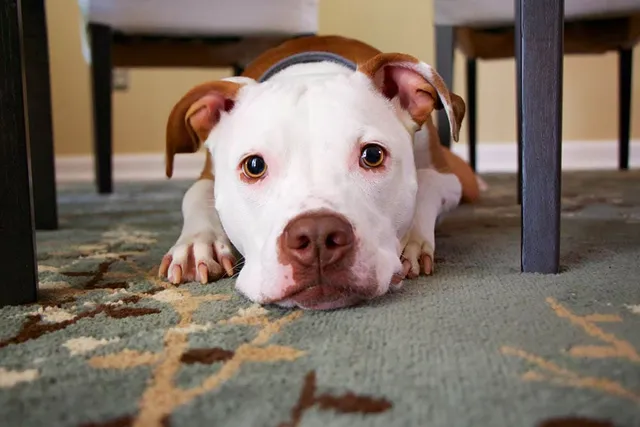
When interacting with an anxious dog, making yourself appear smaller in size can go a long way in building trust. If you are standing up or looming over your dog, you can overwhelm them with your presence. When interacting with your dog, try to sit on the floor or lay down as it will make you appear less threatening to them. Keep your motions small and slow as well while your dog slowly adjusts to your presence.

3. Soft Tone of Voice
This tip should be self-explanatory but do not yell at your dog. Always use a soft, low voice when talking to them. You do not want to trigger their anxiety or flight or fight response by yelling and making them think you are upset or aggressive. Loud voices, shouting, and certain pitches can trigger a fearful response and a subsequent step backward in your trust building. Dogs are highly sensitive and can tell the shifts in your tone of voice. Relax, be calm, and focus on using soft tones so you don’t reinforce their fears.
4. Avert Your Eyes
For most animals, sustained eye contact is considered a threat. If you own a dog or you have owned dogs in the past, you have probably heard that holding eye contact with your dog is a dominance struggle. For us, meeting someone’s eyes can be a sign of respect, openness, and honesty, but sustained eye contact is both a threat and a challenge for dogs. Staring at your dog head-on, especially if you are not down on their level, is extremely scary for your dog. Some dogs might try to challenge you back for dominance, and others might instantly cower. Either way that is not a response you want in a dog you are trying to build trust with.

5. Allow the Dog to Come to You
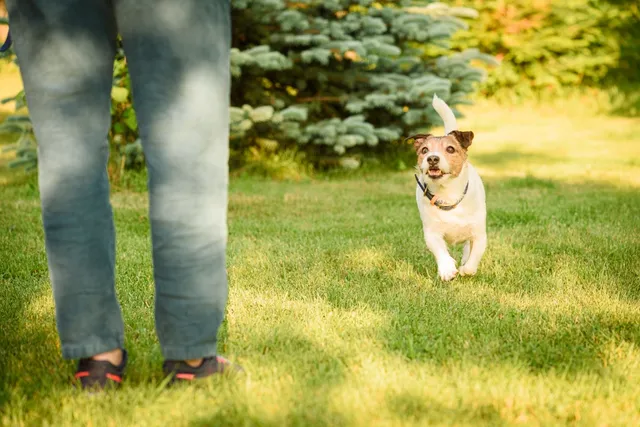
Many of us understand the feeling of chasing your pet around the house and unceremoniously screaming “let me love you” until they give up and accept your cuddles. To build trust with your dog, you have to let them feel safe. It is essential for you to allow them to escape when they feel uncomfortable.
You can call your dog to you, sit quietly, and encourage them to be around you with treats. We cannot overstate the importance of incorporating treats and positive reinforcement. Let your dog approach you and reward them when they do. If they cower or run, do not chase them. The dog may associate being chased with the abuse they have previously suffered. If your dog approaches you, drop a few treats to reward their bravery.
6. Talk Less
While it may be our first instinct to use baby talk and make soothing noises at a frightened dog, sometimes silence truly is golden. Some dogs might respond well to baby talk, but plenty of dogs will still shut down all the same. We recommend testing out baby talk and seeing how your dog reacts. However, if the soothing voice does not positively impact your furry friend, stop it immediately. Just remain calm and quiet and try to project non-threatening body language.

7. Praise and Positive Reinforcement
We have already stated that praise, treats, and positive reinforcement are incredibly important when it comes to building a relationship with your dog, but let’s get into why. Dogs do not respond well to punishment, yelling, or evident frustration. If your dog has suffered abuse and is already anxious and afraid, any signs of negative emotion will cause the dog to withdraw and possibly recoil from you.
You want to encourage positive behavior, not punish undesirable behavior. If your dog approaches you, give them a treat and make sure they know they did well. If your dog responds to your call, provide another treat. Don’t wait for your dog to obey the command or complete the entire action fully; give them ample praise even for their attempts at completion. Just remember to use healthy protein-based treats that nurture your dog. It is also important to use your treats wisely. Try to keep the treats around 10% of your dog’s caloric intake. You could also use part of their regular diet as a treat.
8. Establish a Daily Routine
Setting up and maintaining an established daily routine can help your dog feel at home and secure in their surroundings. If your dog was surrendered to the shelter, the complete upending of the life they knew is traumatizing enough. Establishing a routine of mealtimes, walks, and even training times can go a long way in building their trust and their sense of security in their new environment. Creating a daily routine will develop your dog’s sense of security and increase their trust in you and your ability to take care of them.

9. Give Your Dog a Safe Space
One of the best ways to help your dog is to let them retreat into a safe place when they feel the need to. Give your dog space, and if they take a step backward, let them back off to escape. Ensure you provide your dog with a quiet room they can call their own. You should have a calming dog bed, soft blankets, extra food and water, and even a few of their toys. This space should be the dog’s entirely, and you should rarely invade it unless your dog is comfortable with you. You can sit with them in the room and quietly share your presence. Read a book and share the space with your dog while they get used to you.
10. Observe and Understand
The number one thing you can do to help your scared dog begin to trust you is to watch them closely and observe their behavior. If your dog has had a bad experience with a loud noise or object, it probably will react to it again. If a particular movement makes their pupils dilate or causes signs of retreat, stop doing it or put it away immediately. Reward bravery and good behavior with treats.


Don’t Give Up
Working through trauma with your dog is a long and complicated process. It won’t be easy, and many dogs are re-surrendered to the shelter because their owners don’t have the patience to help them. Dealing with an abused dog is complex; not everyone can handle it, which is totally okay! Building trust with an abused dog requires understanding, lots of love, and patience.
You might want to check out: How to Socialize a Neglected Dog: 10 Vet-Approved Tips & Tricks
Sources
Featured Image Credit: Paya Mona, Shutterstock
Expert dog care, straight to your inbox
Vet-reviewed advice, training tips, and the best of Dogster. Free, and you can unsubscribe anytime.
By signing up, you agree to our Terms & Conditions and Privacy & Cookies Policy.
Samantha has been a freelance writer since 2014. She has worked on literary magazines and newspapers as an editor and as a writer, but writing is her passion. Samantha wrote full time while in school, and she continues her passion for writing while working as a full-time educator. She currently teaches Middle School English Language Arts and always encourages writing activities in her classrooms. If she is not writing – or grading, you can often find her reading or binge watching another Netflix series and spending time with her cat, Raven.
Join the conversation
Ask a question, share your story, or send private feedback.