How to Calm Dog Anxiety Naturally: 10 Vet-Approved Tips


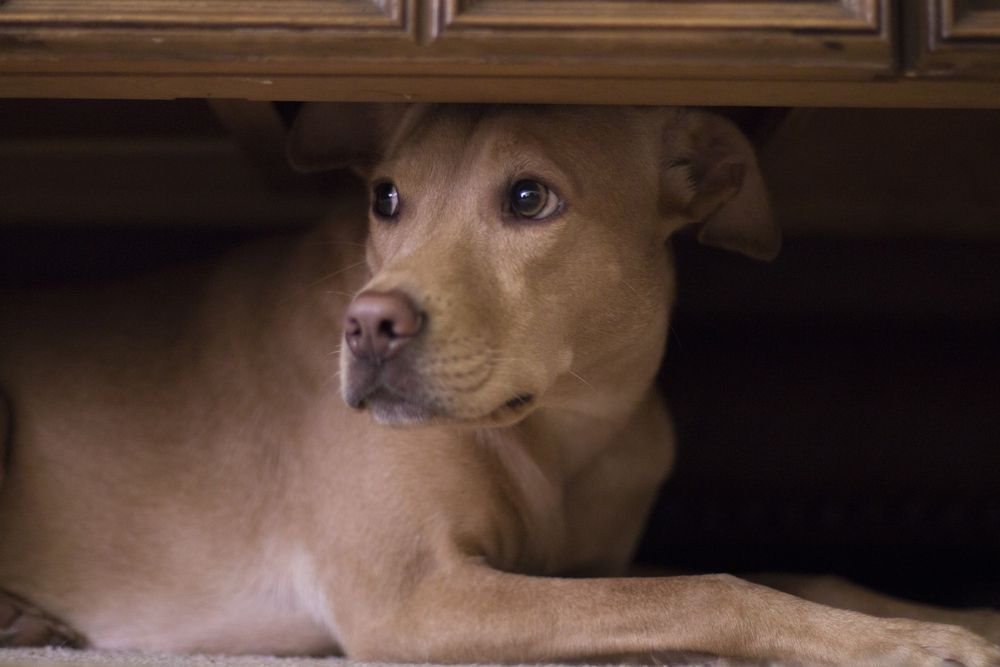
Life throws stressors at us from so many angles that occasional anxiety is impossible for anyone to avoid entirely. Our dogs are no different. They often feel nervous from being in unknown situations, facing aversive stimuli, or when feeling their owner’s stress.
Most owners would jump through any hoops necessary to help their dogs feel better physically and mentally, but resorting to anxiety medications can make many of us feel uneasy. We recommend that if your dog is suffering with anxiety that they are seen by a veterinarian or veterinary behaviorist for appropriate advice. Here we discuss managing your dog’s stress with these tips to naturally calm your dog’s anxiety.

Understanding Your Dog’s Anxiety
Before resorting to any specific stress reduction method, determine where your dog’s anxiety is coming from. When you know the cause, you can decide how to respond. In some instances, the cause reveals the solution, and all you have to do is remove the stressor. If your dog is always anxious about an animal they see out the window, the best way to calm them may be as easy as closing the blinds!
Anxiety can be straightforward to solve in cases like these, but many dogs feel more deeply embedded sources of stress that require more complex support. Past experiences may make some feel separation anxiety or fear of certain noises or other unavoidable stimuli.
Others might have suffered past abuse or a lack of socialization, creating a generalized anxiety that appears throughout the day. Even old age can come with cognitive decline that causes behavioral changes and new fears and anxiety.
Each of these issues demands unique considerations and this is why the help of a certified veterinary behaviorist can be invaluable. Understanding the cause allows you to have more productive conversations with your vet and anticipate and react to your dog’s anxiety efficiently.

The 10 Tips to Calm Your Dog’s Anxiety Naturally
1. Play Music for Your Dog
Though it may not resolve anxiety for every dog, playing certain types of music is a hassle-free and quick solution to test. One study revealed increased resting and less standing in dogs that listened to classical music. By contrast, heavy metal caused more signs of agitation.
Dogs may habituate to the same music over time, reducing their benefits. Alongside classical music, genres like soft rock, reggae, and Motown have also shown positive effects on a dog's mood. If you rotate the types of music your dog hears, this form of auditory enrichment will remain effective in helping your dog relax.

2. Use Safe Natural Scents
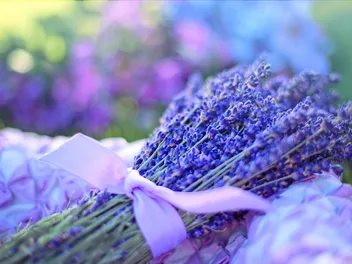
Essential oils can be as soothing for dogs as they are for humans if you use them safely and pick certain scents. Scents like lavender, vanilla, coconut, valerian, ginger and chamomile can inspire more relaxation in dogs. Others, like rosemary and peppermint, may be more stimulating, so you'll want to carefully select the best aromas to deal with your dog's stress. They must never have access to ingest the essential oils and do not apply them directly to their skin or fur.
When your dog feels anxious, a diffuser containing lavender or chamomile essential oil may help them calm down. Meanwhile, the oil imparts a pleasant scent anyone in the house can enjoy. Since essential oils can irritate dogs, you must minimize their exposure as much as possible and give them the option to leave the room and get away from the scent.
Dogs have an enhanced sense of smell, so they don’t need or want anything too overpowering. Lightly scented features are all you need to provide adequate olfactory stimulation.

3. Offer More Exercise
Giving your dog breed-appropriate daily exercise can help them manage anxiety and frustration. Exercise releases endorphins, feel-good chemicals that can reduce stress and related behaviors. Dogs maintain a better body condition score to decrease the ill effects of obesity and stay more relaxed in the home. They'll feel better physically and avoid boredom that leads to unwanted habits.
The effect is even more pronounced with sports, such as agility and man-trailing. Dogs enjoy more positive reinforcement and can enhance their bond with owners with goal-oriented activities. You can set up workouts like these at home or sign your dog up for competitions to let them socialize with other dogs.

4. Provide More Enrichment Opportunities
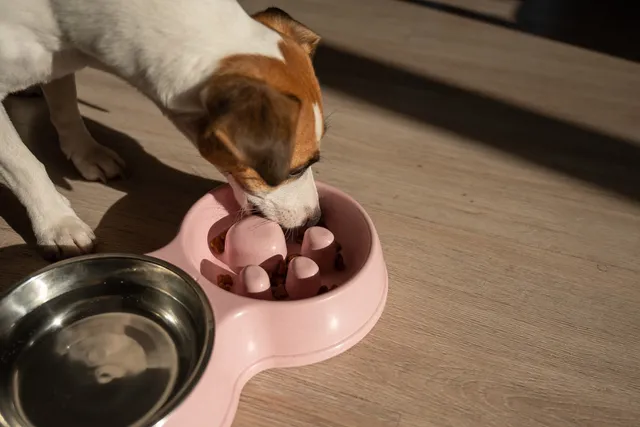
Mental and physical stimulation during the day makes it easier for dogs to cope with separation anxiety and frustration from boredom. Aside from walks and exercise routines, you can exhaust your dog with indoor play, feeder puzzles, snuffle mats, and assorted chews. Make training sessions a consistent part of the day to further your bond and engage your dog’s problem-solving abilities.
When leaving for the day, you can keep a dog that suffers from separation anxiety content in their crate with special treats. Offer crate-only enrichment options like bully sticks or peanut butter-stuffed Kong toys.
Since you can’t supervise pets when they’re alone, test new chews while monitoring your dog’s behavior. As many toys and natural calming aids can become choking hazards, you must ensure any item will be safe when your dog is alone.

5. Engage Your Dog Positively with Reading and Petting
Fostering a stronger bond with your dog is often instrumental in reducing their general anxiety. Find moments when you can engage your dog positively. As the night winds down, read to them in a soothing voice.
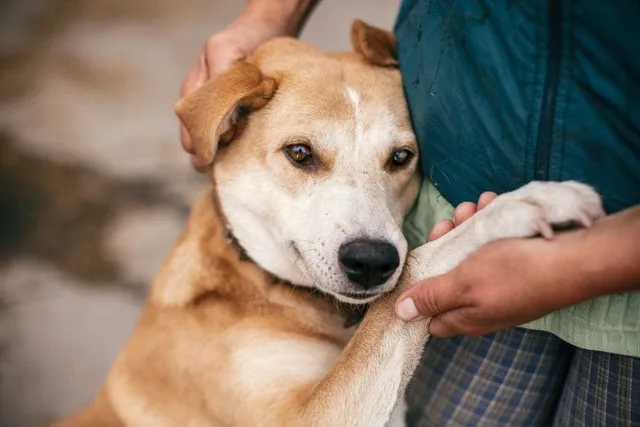
Show affection with cuddles and petting to reduce cortisol levels and subsequent feelings of anxiety. Generally, the more time you spend with your dog, the more their anxiety will subside.

6. Use High-Value Treats to Counter-Condition Your Dog
Counter-conditioning works with desensitization to reframe a dog’s perception of and reaction to anxiety-causing stimuli. Maybe your dog fears thunderstorms or loud cars honking late at night. If you create positive experiences around these occurrences, your dog will learn they’re safe, and the stimulus isn’t inherently negative.
Identify the source of the stress, and reward your dog whenever they encounter it. When fireworks stress your dog, offer a high-value treat like cheese or chicken. Although many dogs will lose their appetite when overly anxious, there’s likely a treat your pet won’t turn down.

7. Use Natural Calming Supplements
Dietary supplements are an excellent option to try alongside enrichment and environmental aids to soothe your dog’s anxiety. Natural options with proven positive calming effects abound, including:
- Omega fatty acids
- Tryptophan and hydroxytryptophan
- Probiotics
- Casein (a milk protein)
- Theanine
- Valerian root
- Chamomile
- Passionflower
- Melatonin
You can give supplements to dogs as part of their routine for chronic anxiety or situationally to deal with stressful events. For example, you can give your dog a calming supplement about 30-60 minutes before an anxiety-inducing vet trip. Offering it in dog-friendly supplements is ideal, as some natural remedies may be toxic or aggravating in the improper formulations or amounts.
Many natural calming aids for dogs, such as valerian root and ginkgo biloba, can boost cognitive performance. By managing cognitive decline, they may help prevent many of the associated fears and anxiety that aging dogs often develop. Talk to your vet about natural relaxing supplements that are practical for your dog based on their body type, health status, and tolerances.
8. Licking and Sniffing
The actions of licking and sniffing are inherently relaxing for dogs and finding ways to work these into the daily routine can be very beneficial. There are many types of lick mats available to give licking opportunities during the day.
As well as scent work for dogs you can teach them to take a deep breath to help them calm down. Sniffing and breath work will help calm the sympathetic nervous system.

9. Touch Therapies
There are many massage techniques and therapies that use physical touch to bring about a sense of calm. Some can be safely learnt at home and others provided by trained professionals such as, T-Touch, canine massage therapists, physiotherapists, chiropractors, acupuncture specialists and more.

10. Try CBD
CBD supplements have grown in popularity due to their natural pain-relieving and anxiety-reducing effects without the psychoactive effects of THC. Now, companion animals can get in on the trend with various liquid products and tasty calming treats incorporating CBD to manage stress.
Though research is limited, recent studies have indicated some potential for CBD to lessen anxiety in dogs. The results are mixed, however, so CBD should work alongside other calming aids to minimize your dog’s stress. Discuss incorporating CBD supplements into the routine with your vet to ensure they have no adverse health effects. CBD cannot be used with some medications and health problems so do check with your veterinarian first.

Final Thoughts
Enrichment, training, and supplements are some of the best natural options to calm your dog’s anxiety. While you help your pet relax and feel better emotionally, you’ll also benefit them physically, improving their fitness, mental functioning, and overall quality of life. Before choosing medications to tamp out your dog’s stress, talk to your vet about how routine and diet changes can provide the relief you and your pet deserve
Featured Image Credit: Patrick H, Shutterstock
Expert dog care, straight to your inbox
News, insights, expert advice, and everything dog.

No spam — unsubscribe anytime.
By signing up, you agree to our Terms & Conditions and Privacy & Cookies Policy.
How useful was this post?
Click a star to rate. You can leave written feedback afterwards. (We read all feedback.)
Nicole has loved animals of all sizes her whole life so it's no wonder she has dedicated her career to helping them through what she loves best: learning, writing, and sharing knowledge with others. She’s the proud mom of two dogs, a cat, and a human. With a degree in Education and 15+ years of writing experience, Nicole wants to help pet parents and pets around the planet to live happy, safe, and healthy lives.