Fetch a Different Fruit: When Fresh Produce Is Dangerous For Dogs


In this article
They say an apple a day keeps the doctor away, but when it comes to dogs, not everything that’s good for us is good for them.
Fruits and vegetables are a normal part of a healthy human diet, and it's tempting to assume the same goes for dogs. Some produce is perfectly fine as an occasional treat, but a surprising number of common fruits and vegetables are actually toxic, and even the ones that are safe can still cause problems. Knowing which ones to avoid can prevent an emergency vet trip over something you thought was harmless.
Veggies That Can Be Deadly
Onions, leeks, and chives all belong to the same plant family as garlic, and all of them are toxic to dogs. They contain a compound that breaks down red blood cells, which can lead to anemia and, in severe cases, organ failure and death.
Wild mushrooms are another risk, particularly for dogs that spend time digging or foraging in the yard. There are tens of thousands of mushroom varieties, and telling a safe one from a dangerous one isn't something most people can do reliably, so it's safest to check the lawn regularly and keep dogs away from anything growing wild.

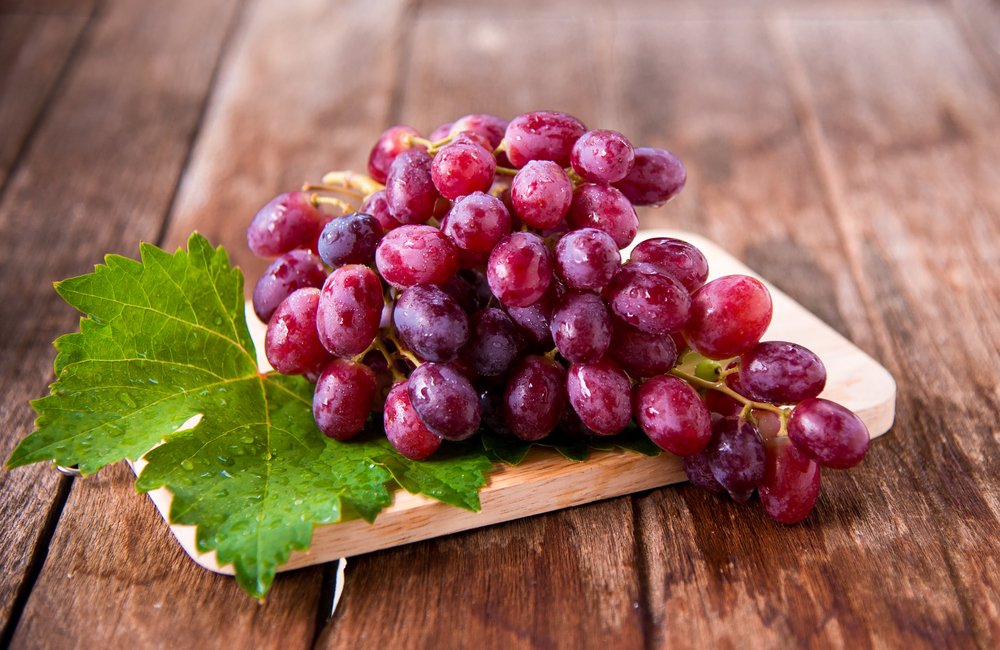
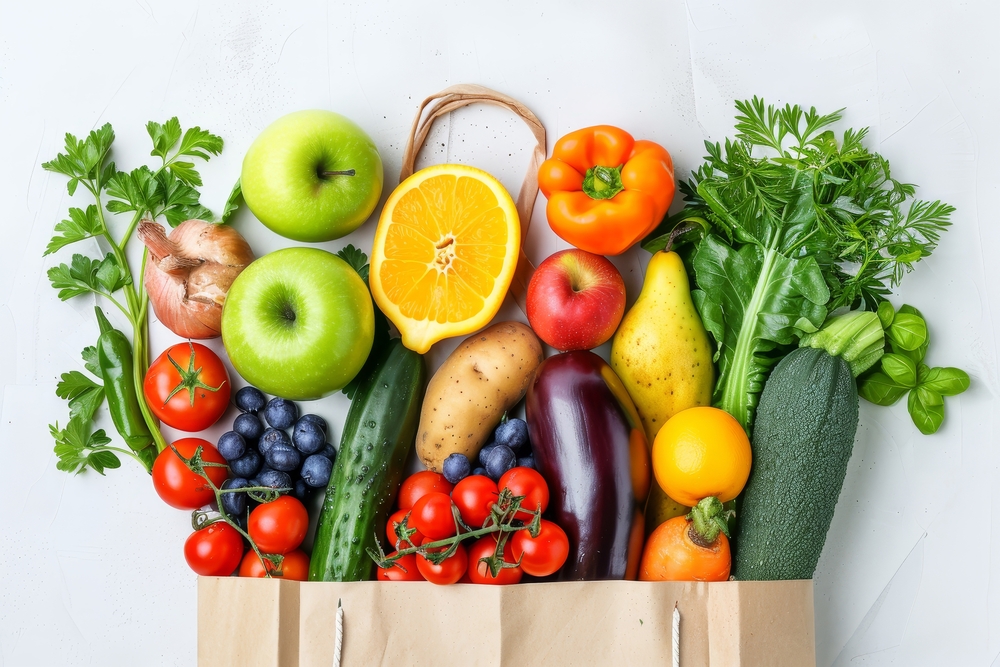
Grapes and raisins are especially dangerous, regardless of a dog's age, breed, or size. These tasty morsels cause renal toxicity in dogs, leading to acute or chronic kidney failure. Some dogs are very resistant to this toxin, while others are particularly sensitive, and the damage can take years to become apparent. Early signs of acute toxicity include vomiting, appetite loss, lethargy, and diarrhea, and typically show up within 24 hours of ingestion. More severe symptoms follow within 24 to 48 hours, by which point kidney damage has often progressed significantly.
The damage caused by grapes may not be immediately apparent, and a dog that doesn’t show any immediate signs of illness should not be assumed to be in the clear. Any suspected ingestion of grapes or raisins, including in foods like trail mix or granola, calls for immediate veterinary attention.
Tomatoes, potatoes, and eggplant all belong to the nightshade family, which, depending on the part or age of the plant ingested, can be toxic. Raw, green potatoes contain a toxic compound called solanine, as do the leaves, flowers, and stems of tomatoes and eggplant. It usually takes a large amount to cause serious harm, but smaller amounts can still trigger vomiting or diarrhea.
Rhubarb is a lesser-known danger, with its leaves and stalk containing crystals that can cause a sudden drop in calcium and, in rare cases, kidney failure. Signs include drooling, vomiting, diarrhea, weakness, and changes in thirst.

Fruits to Keep Out of Paws' Reach
Avocado contains a toxin called persin in its pit, skin, and leaves, which can cause significant gastrointestinal upset. The flesh contains far lower levels, but its high fat content alone makes it a poor choice, since excess fat can contribute to pancreatitis, so it’s best kept out of the dog bowl.
Cherries themselves aren't toxic and actually offer some nutritional benefits, but the pits, leaves, and stems contain cyanide. A single pit generally isn't cause for alarm beyond a blockage risk, but signs of cyanide poisoning, including dilated pupils, heavy panting, and inflamed gums, are worth watching for if a dog gets into a larger quantity.
Apple seeds present a similar cyanide risk, though a dog would need to eat an unusually large number of them, roughly the amount found in 200 apples, before they become dangerous. It's still worth removing seeds as a habit before offering apple slices, particularly to smaller dogs.

Other Human Foods Worth Avoiding
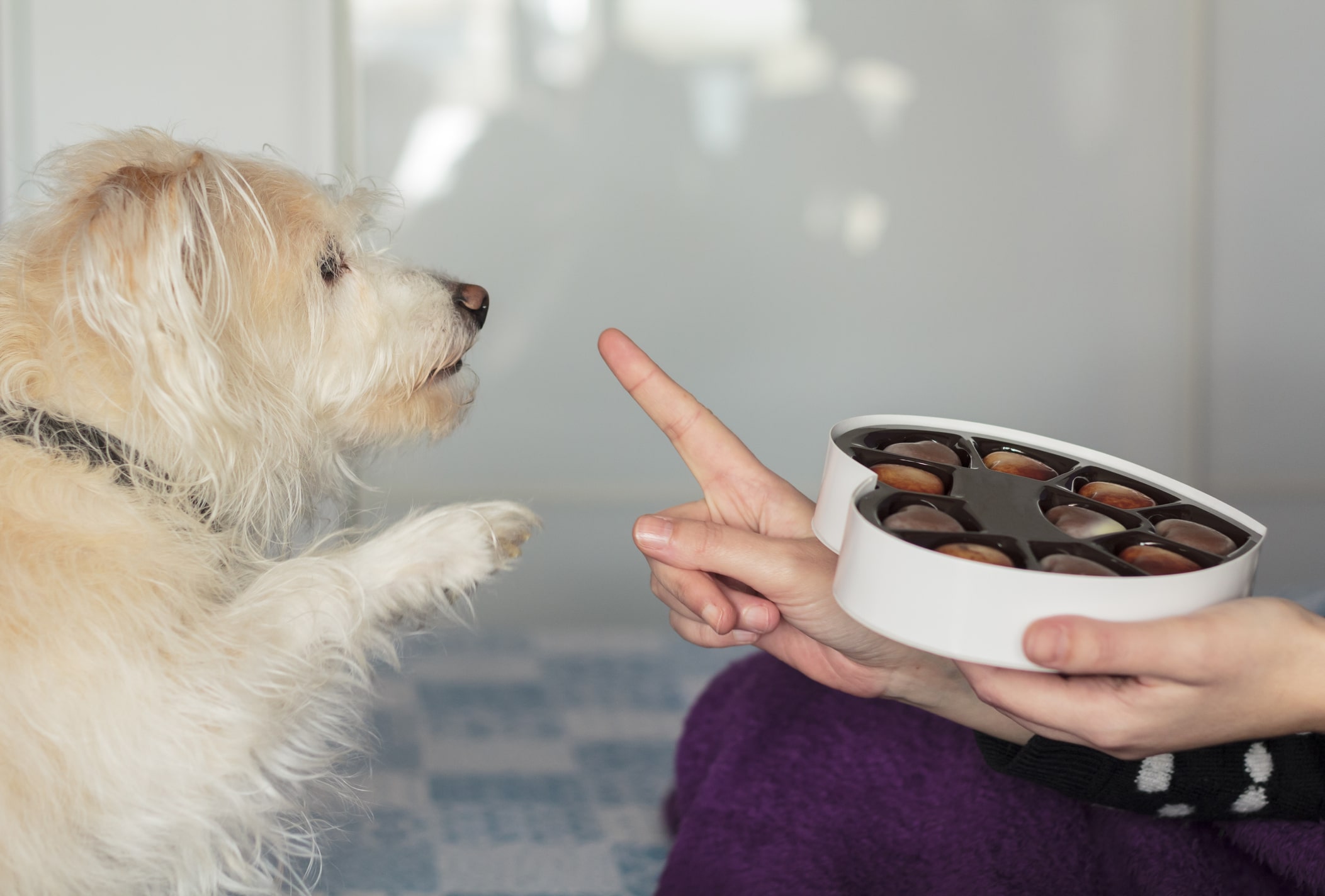
Chocolate remains one of the most familiar dangers, thanks to a compound called theobromine that dogs can't metabolize well, along with caffeine content that adds further risk. How much it takes to cause problems depends on a dog's size and the type of chocolate involved. Caffeine itself, whether from coffee, tea, soda, energy drinks, or even certain medications, is a stimulant that can raise blood pressure, cause seizures, and, in large amounts, be fatal without treatment.
Nutmeg contains a toxin called myristicin that can cause high blood pressure, hallucinations, and seizures in large quantities.
Did You Know?
- Our brand-new posts are rounded up and included in our weekly emails. Don't miss out on the latest - sign up for our newsletter below!
Xylitol, a sugar substitute found in everything from baked goods to peanut butter, gum, and even some medications and mouthwash, can cause a dangerous drop in blood sugar and liver failure.
Macadamia nuts are another serious hazard, with symptoms like vomiting, fever, and lethargy typically appearing within a few hours, sometimes progressing to muscle tremors and an inability to stand within half a day. Some dogs also develop pancreatitis afterward, which can require intensive monitoring.

What Human Foods Are Actually Safe
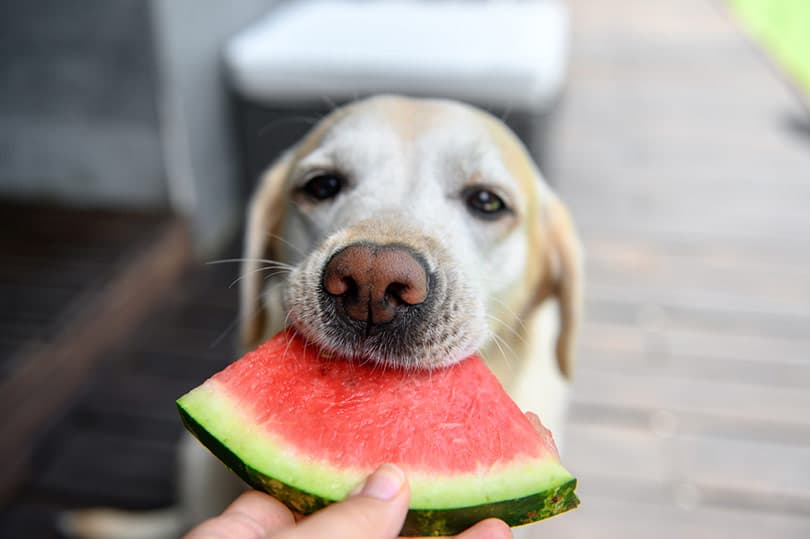
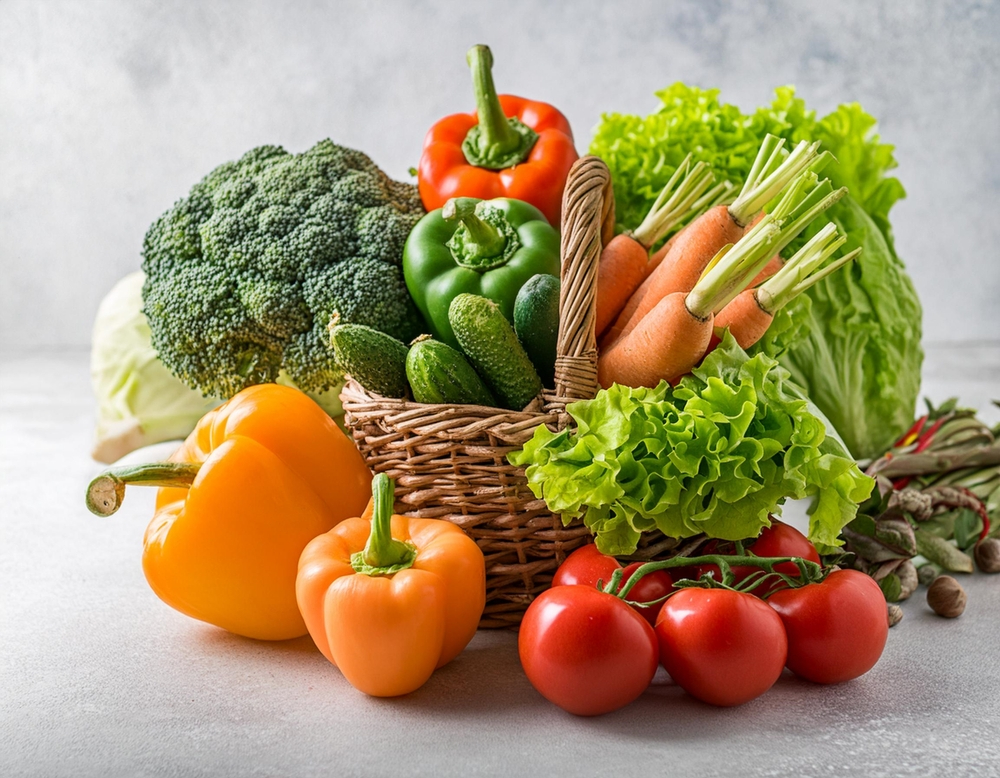
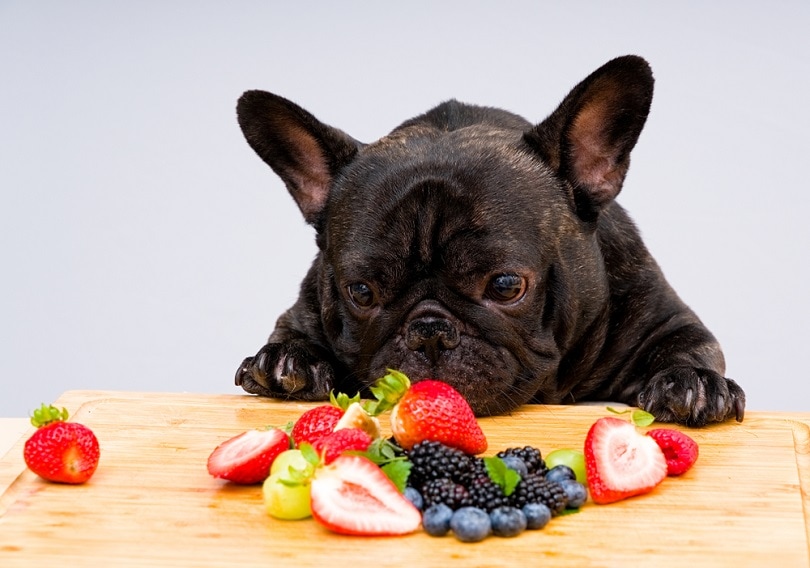
Plenty of produce is fine in moderation, including bananas, blueberries, broccoli, carrots, cantaloupe, cranberries, cucumbers, green beans, raspberries, spinach, strawberries, and cooked sweet potatoes. Stems, leaves, pits, and seeds should always be removed first, and pieces should be cut appropriately for a dog's size. Even safe fruits and vegetables should stay occasional rather than a daily habit, since their sugar and fiber content can cause digestive upset in larger amounts and lead to weight gain.
When in doubt about whether a specific food is safe, the simplest approach is to hold off until checking with a vet. Given how many common fruits, vegetables, and pantry staples carry some level of risk, a quick check beforehand is a lot easier (and cheaper!) than an emergency vet visit after the fact.
Featured Image Credit: Studio13lights, Shutterstock
Expert dog care, straight to your inbox
Vet-reviewed advice, training tips, and the best of Dogster. Free, and you can unsubscribe anytime.
By signing up, you agree to our Terms & Conditions and Privacy & Cookies Policy.
Dan has been working in the dog world for over 4 years, covering dogs and all other pets, helping pet parents keep their companions happy, healthy, and totally spoiled! Originally from London, Dan now works remotely, which sadly means no pets at home, but plenty of opportunities to fuss over other people's furry friends.
Join the conversation
Ask a question, share your story, or send private feedback.