12 Dog Anxiety Treatments Approved by Our Vet


In this article
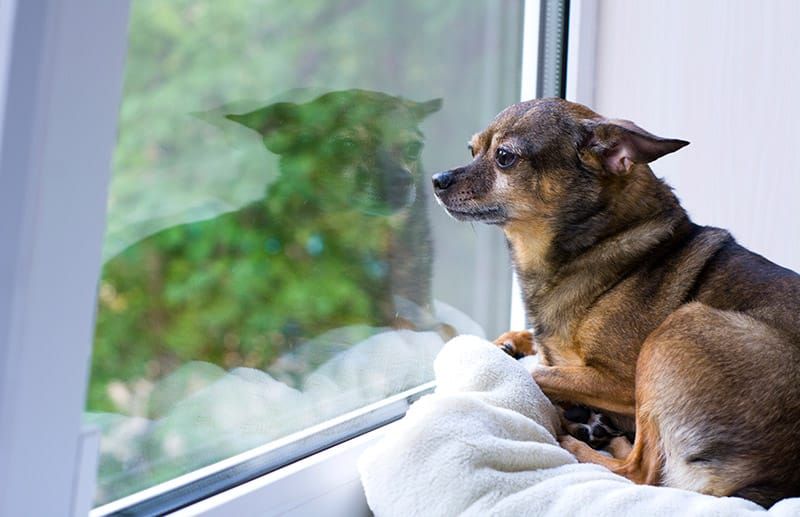
Anxiety is an uneasy feeling of nervousness. It can be caused by specific situations or events, or sometimes, it can come on with little to no warning. In dogs, anxiety is commonly caused by loud noises, changes in circumstances, or separation from the dog’s owners or siblings. But new people or the presence of wildlife outside the window are also possible causes.
Anxiety can cause your dog to become ill, and it can even lead to behavioral problems like destructive behavior, excessive barking or whining, or potentially even reactive behavior. It can be difficult to treat anxiety, especially if you don’t know the cause, but there are some steps and treatments that you can take to help calm your anxious dog.
Below are 12 steps you can take to help reduce anxiety in your canine companion.

The 12 Ways to Treat Anxiety in Your Dog
1. Find the Source of Anxiety

The most effective means of curing anxiety is to identify the cause and then work on that. So, if your dog has separation anxiety, you can desensitize them to being left alone or get a dog walker to visit the house regularly. If they are experiencing anxiety because of alarms going off outside your house at night, you can try to have them sleep in a different part of the house or locate the source of the alarms and try to stop them from going off.
Anxiety isn’t always caused by specific incidents, but if it is, identifying the cause will go a long way to help you find a solution.
2. Desensitization
Separation anxiety is one of the most common causes of anxiety. Some dogs can’t abide being left alone by their humans for long periods or even short periods in severe cases. It is most common in dogs whose parents go out to work all day, but it could occur any time they are left alone. Some dogs may only really experience it after a few hours, but others can start to feel anxious as soon as their owners walk out of the door.
Try desensitizing your dog to whatever is causing their anxiety.
In the case of separation anxiety, this means leaving your pup home alone for increasingly long periods. Start by walking out the front door and standing outside for a few minutes before coming back in. Repeat this length of time until your dog is more comfortable with you leaving the house. This is a sign that your dog is beginning to understand that you are going to return. Increase the time to 15 minutes and repeat the process. Keep increasing the length of time you are out of the house when your dog becomes accustomed to being left.
3. Exercise

Exercise tires your dog out physically and mentally which may mean they have less pent up energy with which to become anxious.
This is especially effective when you have identified the cause of the anxiety. If you know your dog gets stressed when you have visitors to the house, try walking them and throwing a ball around the back garden for half an hour before the visitors arrive.
4. Cuddles and Petting
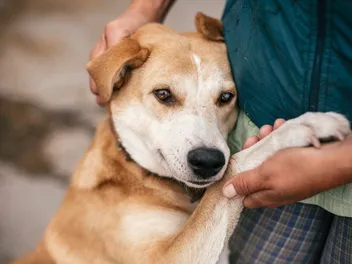
Your dog looks to you for reassurance and support. If they are feeling anxious, they can benefit from you just spending some time with them. Your touch can be reassuring, so take the opportunity to have a cuddle and stroke your dog. This solution isn’t always possible. If your dog gets anxious while you’re out or while you’re asleep, you won’t be able to offer a reassuring hug.
5. Massage

Anxiety can cause the tightening of muscles in dogs, just like it does in humans. As with humans, massage can help dogs to relax which may relieve them of the feelings of anxiety.
Dog massage can be complicated, but the more simple techniques can be practiced at home. One technique is to start at the base of the skull and stroke up and down either side of your dog’s spine, being careful to stay off the bone. You can also massage the legs, starting at the top and working to the feet. You do need to apply some pressure, but not enough that it causes physical pain. At the very least, massaging your dog means that you are stroking it and paying it attention, which can help reduce anxiety anyway.
6. Music
Dogs react to music, and they react differently to different types of music. Classical music has been shown to have a calming effect on dogs, which can help combat anxiety. At the other end of the musical scale, heavy metal and pop music are more likely to cause your dog to become restless, and this feeling of restlessness can quickly become anxiety.
So, if your dog is anxious, turn off the thumping bass and play some classical music tracks instead. This is one technique you can try at night or when you’re out of the house, too, leaving music playing for your dog while you’re not around.
7. Distraction

If a specific event causes your dog to become anxious, you can try distracting them to take their mind off that event. For example, if your dog doesn’t like storms, try playing with them or doing something else to take their mind and their attention away from the frightening event.
Playing is a good form of distraction because it also provides mental stimulation and physical exercise, both of which can help alleviate feelings of anxiety and are important to your dog’s general health and well-being.
8. Give Them Space
When anxiety builds up, it can be deeply overwhelming. Sometimes, the best cure for these overwhelming emotions is to get some peace and quiet. It allows the brain to work through any problems unimpeded and it can be enough to allow a dog to reduce its level of stimulation.
Provide your dog with their own space. In that space, place a comfortable bed or cushion, and put toys that your dog likes. Try to put a bowl of water down, too, because an anxious dog is likely to drink more water. Let your dog head to their quiet place, especially if the rest of the house is busy. This business could be the cause of the anxiety. In this case, getting away from it will help quell the anxiety.
9. Get Help

You may need to enlist help to overcome some of the anxiety your dog feels. This can come in the form of somebody popping in to visit a dog with separation anxiety, or having somebody come and walk them to provide a bit of extra exercise as well as spending some quality time with them. Alternatively, if your dog is extremely anxious and it is causing problems, a behaviorist can help identify the root cause and help teach you to improve the situation.
10. Anxiety Clothing
Anxiety clothing sits snugly around your dog. In a way, the clothing acts like an artificial hug. More specifically, the pressure actually releases endorphins, and these hormones help encourage a sense of well-being and calmness. Anxiety vests or coats are the most common form of anxiety clothing.
Ensure the vest fits snugly and that it doesn’t irritate your dog, or wearing one could cause a further spike in anxiety for your pup.
11. Herbal Supplements

Certain herbs can help calm dogs. These are similar to those that are used for humans and include lavender and valerian. Herbal supplements can be given to your dog when it is feeling overwhelmed or you can give them preemptively, so if you know that your dog will get anxious when you take it in the car to the vet, try giving supplements beforehand.
Ginger is especially good in these circumstances because it can also help combat queasiness associated with motion sickness, which itself could be the cause of the anxiety.
12. Pheromones
Pheromone products aim to mimic natural pheromones. They essentially release chemicals that naturally calm your dog. Pheromone products typically come in a spray, plug-in or wet wipe form. They can include room sprays that you spritz around the room, or you can get plugins that work like air fresheners, but rather than improving the scent of the room, they improve the mental condition of your dog.
Pheromones work for some dogs, but not all, and it may take some experimentation to find the right product for your dog.
Signs of Anxiety in Dogs
The first signs of anxiety in dogs can be quite subtle. Your dog may pant more, lick its lips, drink more water, and will become restless. Sleep patterns can be disturbed, and you may find your dog is more likely to toilet indoors. This can progress to destructive behavior, especially with separation anxiety, and you might hear your dog barking, whining, or crying more often.
If your dog is showing destructive chewing behavior, we suggest you speak to a vet.
Causes of Anxiety in Dogs
There are many possible causes of anxiety in dogs. One of the most common forms of anxiety is separation anxiety, and this occurs when you leave your dog alone. In some dogs, it only takes a few minutes from you leaving the house before they start to show signs of anxiety. Other possible causes of anxiety include a change in circumstances, such as a new house or a new addition to the family.
Other causes of anxiety in dogs include loud noises such as fireworks or thunder or a feeling of being threatened, for example, by wildlife or domestic animals close to your dog.
Conclusion
Some dogs go through life without ever feeling particularly anxious or nervous. These dogs can cope with loud noises, can be left at home while you go out to work, and won’t be bothered by visits to the vet or journeys in the car. Other dogs can become anxious when they hear a car door shut at the front of the house.
If yours is an anxious dog, try to identify any possible cause of anxiety and take action to remedy it. Desensitize them to the cause of anxiety and try to distract them from it. Provide plenty of exercise, and if things aren’t improving, consider getting professional help to remedy the situation.
Sources
https://www.petmd.com/dog/general-health/what-kind-music-calms-dogs
https://www.battersea.org.uk/pet-advice/dog-care-advice/stressed-dog-care
https://www.pdsa.org.uk/pet-help-and-advice/looking-after-your-pet/puppies-dogs/dogs-and-phobias
https://www.petmd.com/dog/pet-lover/4-simple-dog-massage-therapy-techniques
https://vcahospitals.com/know-your-pet/anxiety-vests-for-dogs
https://be.chewy.com/behavior-stress-anxiety-5-herbs-reduce-stress/
https://vcahospitals.com/know-your-pet/motion-sickness-in-dogs
Featured Image Credit: AlikaKo, Shutterstock
Expert dog care, straight to your inbox
News, insights, expert advice, and everything dog.

No spam — unsubscribe anytime.
By signing up, you agree to our Terms & Conditions and Privacy & Cookies Policy.
How useful was this post?
Click a star to rate. You can leave written feedback afterwards. (We read all feedback.)
Matt is a freelance writer from the UK. He lives with his partner and daughter, as well as two cats and one dog. A data analyst by profession, Matt moved from numbers to words more than 15 years ago and has been writing ever since. Having volunteered at a local animal sanctuary, he has a lot of experience with dogs, cats, and horses. Matt has also kept bearded dragons, a variety of birds, fish, guinea pigs, hamsters, mice, and rats. His daughter has adopted the same passion for animals, keeping and breeding snakes. A geek at heart, Matt is a member of a local board gaming group and regularly forces his family to “enjoy” board games with him at home.