How to Socialize a Neglected Dog: 10 Vet-Approved Tips & Tricks


In this article
Sometimes it feels like we humans don't deserve dogs. It is so horrible to see the effects of bad human behavior projected onto our canine companions.
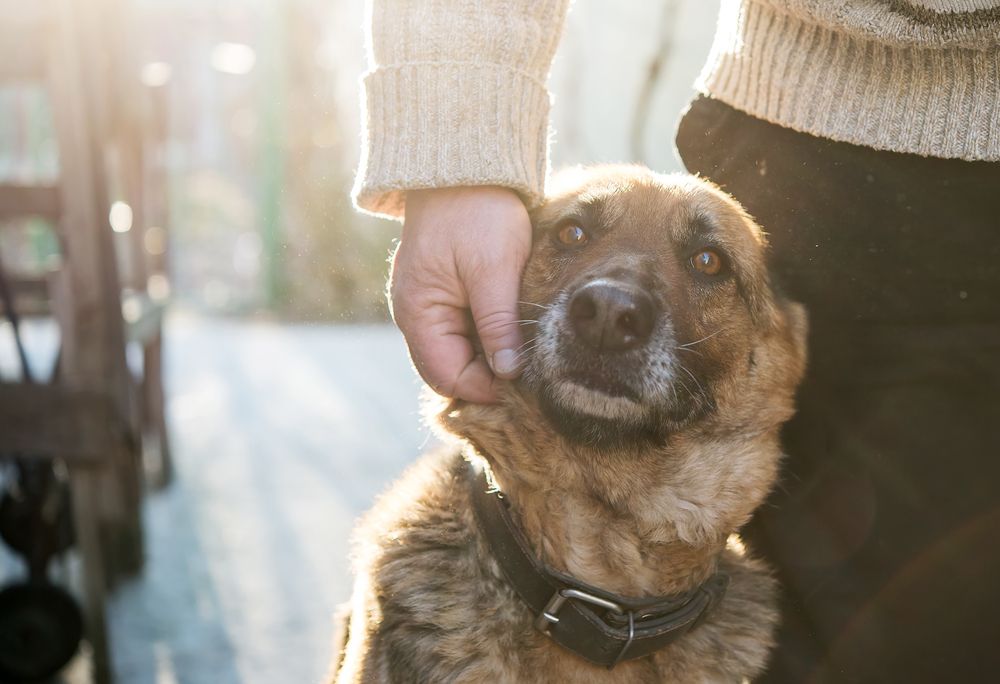
If you have taken on the role of adopting a neglected pet, you will certainly have your work cut out for you. But the reward of socializing a dog that has been neglected or abused by humans is rewarding and fulfilling to say the least. In this article, we aim to give you tips on how to socialize a neglected dog so that you can get the best results possible.

What Does It Mean to Socialize a Dog?
Socializing a dog means exposing them in a positive way to the outside world, other people, and potentially other pets. Socialization in the first three to four months of a puppy’s life is particularly key to help them understand and be comfortable and confident in the world they live in. They learn how to handle new situations in a positive manner instead of reacting out of fear.
Dogs that have been neglected and haven’t been socialized tend to be more fearful and anxious and unsure about how to react, this can lead to aggression. In addition they may be fearful of people or other dogs because they’ve had bad experiences in the past. So, socializing these dogs teaches them to form positive relationships with people and other dogs, as well as teaching them how to adapt to situations, cope and enjoy life in general.
What Constitutes Neglect?
Neglect can mean different things for different people. You might consider it not giving your pet adequate attention whereas another person would assume it means that a dog is being starved. Both are correct. To give you a bit of background into why neglected dogs may behave the way they do, here are some things that can be considered neglect, and in some cases, abuse:
- Failing to provide adequate resources (food, water, shelter)
- Failing to provide attention or exercise
- Not providing temperature regulation (warmth in winter, a way to keep cool in the summer)
- Breeding malpractice
- Hoarding dogs
This list is not all-inclusive. But often dogs that have been neglected have to go into fight or flight mode or fend for themselves. This can result in behaviors such as aggression, fear, or anxiety in new situations.

The 10 Tips on How to Socialize a Neglected Dog
1. Start Slowly
You know what they say. All good things take time. If you start to socialize a neglected dog, make sure that you keep timing in mind and go at their pace. It is OK to take things as slowly as possible to ensure the happiness and acclimation of the dog in question.
Moving things along too quickly can cause anxiety issues or overstimulate the dog. If they get a bad vibe from you from the beginning, it can cause trust issues right away and delay bonding. To keep progress moving forward, let things unfold as they do—no pushing.
2. Acknowledge Body Language
Body language can speak volumes. It is very important to take notice of how the dog reacts to your surroundings. Here are a few telltale signs that a dog is uncomfortable.
- Growling
- Laidback ears
- Whimpering
- Tucked tail
- Sunken posture
If you notice that your dog is starting to guard themselves, back off. Don’t come closer. Don’t even try to change their mind—that can come once they relax a bit. If you push them and don’t give them the space they are requesting, it could end poorly.
Many dog bites occur because of fear. If the dog is stressed or startled, they will respond—and they don’t have many defense options. It can be a cruel world to a dog who bites, even at no fault of the dog, so prevent it at all costs.

3. Don’t Approach
Always let the dog approach you. If you try to push dogs into certain situations, it can actually cause a longer period of time until they fully adjust. Always make sure to pay close attention to how the dog is feeling based on visual cues.
Sit down with your hands tucked and let the dog approach you. If you offer your hand to be sniffed, make sure that you offer the back of the hand, as having the palm out could be threatening to some dogs.
4. Stay Calm
When you're interacting with the newcomer, stay as calm as possible. Everything matters, from your body language to the tone of your voice. Take note of your reactions and how you are responding.
If you calmly and assertively talk to the dog, they can acclimate to the sound of your voice. The dog can also tell a lot by the state of your nerves. If you're feeling very jittery, the dog will be able to sense this tension. It is important to interact with the dog when you're in good spirits and have time to work with them.

5. Start a Routine
The neglected pet will act best with a routine. It will allow them to get used to everything that goes on around the home. They can slowly find a way to plug it into their brain, knowing what to expect on a normal day.
6. Don’t Repeat Traumas
You don't know a dog's history. It is hard to tell the issues they have faced with humans, and you certainly don't want to be a person who adds to it. Resolving trauma can take a long time, and you don't want to make backward progress.
Try not to raise your hand above your head, move too quickly, or anything else that seems to get an unwanted reaction, because it can remind the dog of potential past abuse or make them react negatively out of fear. Keep your body language, as well as the dog’s in mind at all times when interacting with this timid pup.

7. Begin Introducing the Dog to Other People
Once you’ve followed the above steps and the dog is comfortable with you, you can slowly start to introduce the dog to other people such as extended family members or friends. Again, take it slow, and don’t overwhelm the dog with too many people at once.
Instruct the new person to follow the steps above as well, remembering to back off if the dog is fearful or anxious and not wanting to interact with the new person. It can take a while for a dog to be comfortable with another person, so you may have to repeat the process over several days or weeks.
Give your dog a safe space that they can retreat to if they feel overwhelmed or worried. This can be another room or a crate.
8. Consider Training Classes
Once the dog becomes familiar with you and learns not to fear other people, consider enrolling them in a training class. Not only can training classes help with teaching your dog manners, but it can also help further their socialization.
Training classes allow your dog to interact with new people in a controlled environment. But they also may allow your dog to interact with other dogs if they are ready. If not, you may wish to consider one-on-one training until your dog is further along. Don’t hesitate to seek professional support from a trainer, behaviorist or veterinarian if needed while you are working with your pup.
9. Expose Your Dog to Various Situations
If your dog has successfully completed training classes and seems to be less fearful and reactive, you can try bringing them into various situations. Take them out into the world to parks and other public spaces to get them used to the sights and sounds.
Keep them on a leash at all times, and give them space to observe. You may wish to keep them away from other people and pets. Instead, practice your dog’s obedience skills in public one-on-one to make sure they know how to behave and seem to be comfortable in public. If not, keep working at your home and try again another day.
10. Visit Dog Parks and Have Puppy Playdates
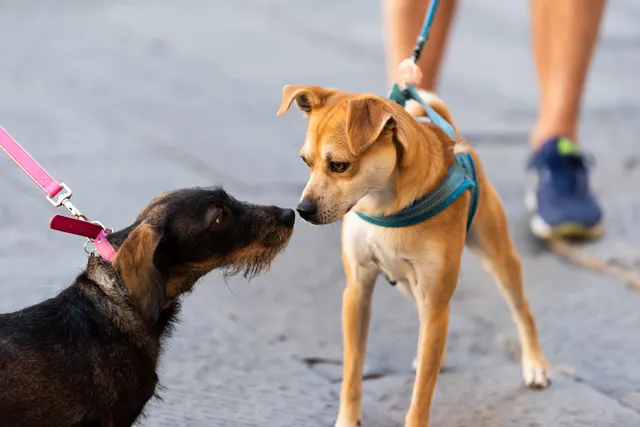
When your dog becomes comfortable in a public setting, you may be able to start introducing them to other people and dogs at dog parks or through puppy playdates. Your dog should be well-trained and not reactive to other people or pets. Note, this may not be suitable for all dogs. Many dogs, especially those that missed out on early socialization, may never be happy in really busy places like dog parks, but that's okay. They can still lead happy and fulfilling lives.
Keep any dog park and playdate sessions short at first, because the new places and people can still overwhelm your dog even if they are well-trained. But if your dog seems to be doing well, you can gradually extend the time you spend with other people and dogs.


You’re Doing the Right Thing
If you have recently taken on the challenge of trying to resocialize a neglected dog, you are a hero. You are making a real difference in this dog's life and giving them a true second chance. All that dogs need sometimes is understanding, love, and patience to really come out of their shell and be the best version of themselves.
It turns out, people want the same thing. There is so much you can learn from helping a dog trust again. It's going to be different for every dog, so stay understanding and try not to have any timeline expectations.
Conclusion
Now, you can implement a few of these tips to help adjust your newcomer. They've already been through enough, and the more you can adjust your lifestyle to acclimate them, the better off you will be.
Keep in mind that helping a neglected dog readjust can be very complicated and overwhelming, consulting with a behaviorist can provide needed support and advice. It takes someone with patience, understanding, and love to be able to break down those barriers. Are you up for the challenge?
Sources
Featured Image Credit: Lena Ivanova, Shutterstock
Expert dog care, straight to your inbox
Vet-reviewed advice, training tips, and the best of Dogster. Free, and you can unsubscribe anytime.
By signing up, you agree to our Terms & Conditions and Privacy & Cookies Policy.
Ashley Bates is a freelance dog writer and pet enthusiast who is currently studying the art of animal therapy. A mother to four human children— and 23 furry and feathery kids, too – Ashley volunteers at local shelters, advocates for animal well-being, and rescues every creature in need. Her mission is to create awareness, education, and entertainment about pets to prevent homelessness. Her specialties are dogs and cats.
Join the conversation
Ask a question, share your story, or send private feedback.