How to Help an Abused Dog Recover: 9 Vet-Approved Humane Ways


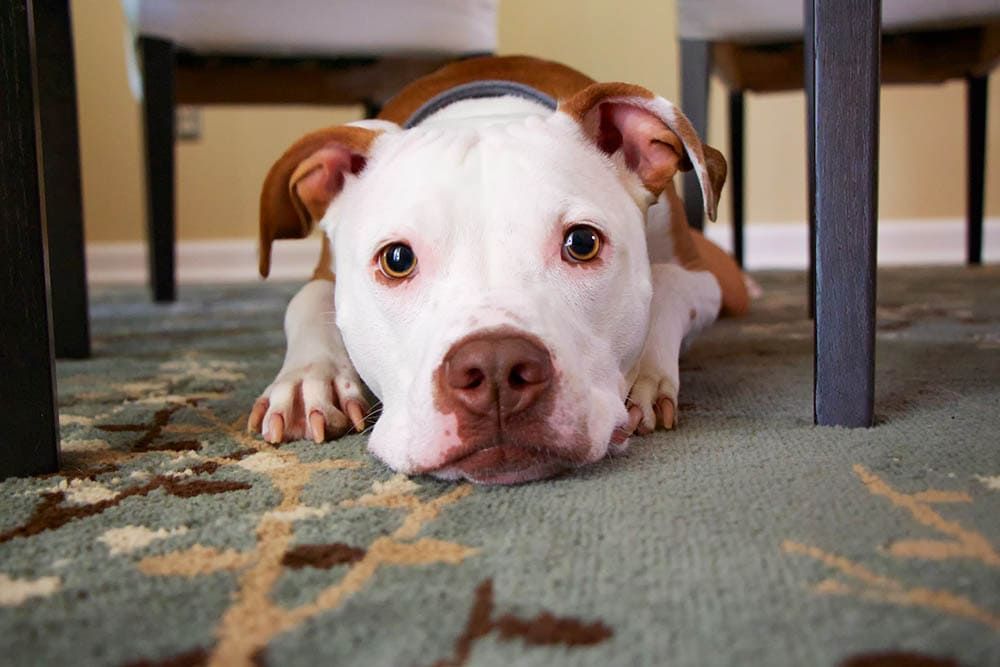
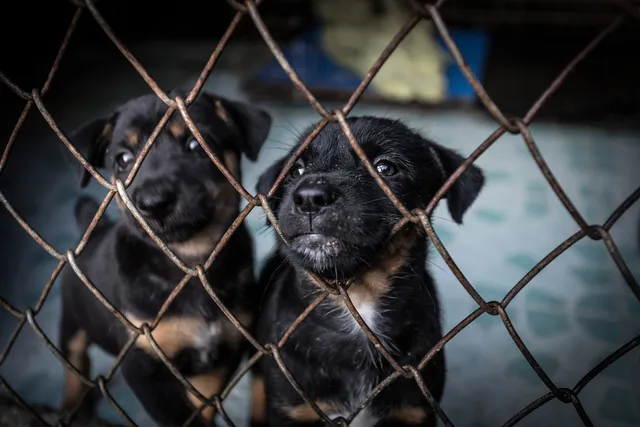
Adopting a dog from a shelter is a great way to give an abandoned dog a new life. While some owners are forced to abandon their dogs due to unforeseen and unavoidable personal circumstances, some dogs are surrendered due to abuse and poor living conditions.
Adopting a rescued dog is admirable, and it gives that dog a chance at a new life. However, if the dog was abused, it can pose certain challenges. The dog may have lost its trust in people, and it can take time and a lot of effort to remedy that. Read on for nine ways that you can help an abused dog recover and integrate them into your home.

The 9 Ways to Help an Abused Dog Recover
1. Don’t Expect Too Much
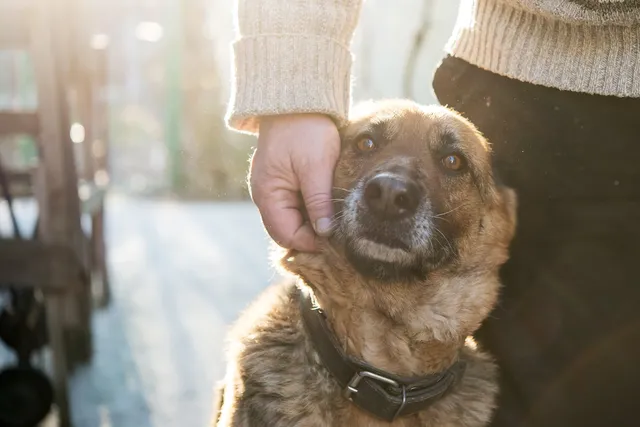
Getting a new dog is exciting, and many of us have visions of taking the dog on long walks or including them on family days. Realistically, an abused dog is unlikely to have undergone proper socialization and may be scared and anxious around people. This can even include you. It will take time to help repair the emotional scars, and some abused dogs may never recover fully.
Be realistic with your expectations and be prepared for the fact that your rescue dog might never enjoy being around crowds of people and may always show some signs of anxiety when meeting new people.
2. Be Calm
Dogs can sense and pick up on our emotions. This means that if you’re excited and anxious, they will be, too. If you’re calm and level-headed, some of this will transfer to your pup.
You should always be calm around the dog. Even though you will be excited about collecting them from the shelter, don’t get too giddy. Sudden movements and excited yelling could be enough to set off your new pet’s anxiety and cause them to retreat within themselves.

3. Use Treats
Especially when you first collect your rescue dog, be liberal with treats. First, you need to determine what your dog considers a treat. Most dogs respond to food and tasty treats, but yours might be afraid to take any food from you. Some dogs love nothing more than to get outside and spend time in the fresh air. Others enjoy a few minutes of playing.
Determine your dog’s preferred form of a treat. Initially, you don’t really need a reason to treat your new dog. But eventually, as you start to gain their trust, you can use treats as a reward and as a form of positive reinforcement.
4. Give Them Space
Getting a new dog is an exciting time for all members of the family, but you don’t want to crowd and overstimulate your new addition. Your dog needs time to get used to its surroundings and its new home. They will need to investigate, and you should give them plenty of space to do that. There will be time for you and the rest of the family to form a bond later.
If your new dog walks away, let them go, and don’t follow them too closely. You can always check in on your pup later to make sure everything is okay.

5. Give Them Their Own Space
Set up an area of a room or an entire room that will belong solely to your dog. This space will be especially important to them during the first few weeks and months of their time in your home. Provide a bed, water, toys, and some treats, and when they retreat to their space, leave them alone.
This area will be their refuge when things are getting too much for them.
6. Identify Triggers
Most abused dogs have some kind of trigger that will make them anxious. Triggers can include loud noises, sudden movements, or even specific words. These triggers will bring up moments of abuse that they have suffered in the past.
Some triggers may be unavoidable. For example, if your dog is triggered by the noise of people walking past the house, you will have to work to combat these triggers using positive reinforcement. It is worth considering using a professional animal behaviorist to help your dog learn how to cope with these triggers. In some cases, you can avoid triggers that cause anxiety.

7. Avoid Direct Greetings
It is human instinct to greet people by looking them in the eyes and approaching them head-on. However, this isn’t an ideal way to greet dogs, especially anxious dogs that have endured abuse in the past. Try to avoid staring at them and avoid meeting in an enclosed hallway or other confined space, at least initially.
Try kneeling or sitting on the floor with your dog and don’t look directly at them. This is a less threatening pose.
8. Let the Dog Come to You
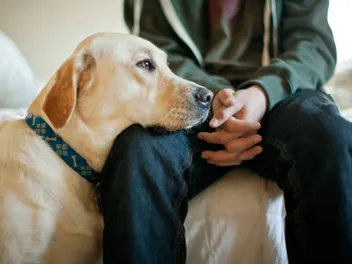
Let your new dog come to you, rather than trying to force the issue. Sit on the floor and with your hands on your lap where your dog can see them. Let your dog approach you. If they walk away, try again later. If they do approach, don’t make any sudden movements and let them sniff you.
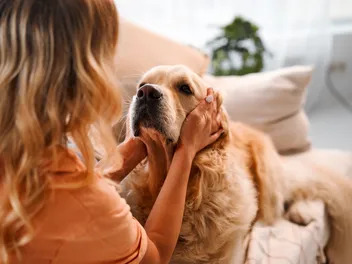
If they’re comfortable enough to want attention, they will sniff your hands and you can stroke their chin or pet their rump.

9. Be Patient
In any interaction you have with an abused dog, you have to be patient. If they come to you to sniff and walk away, let them go. You can always try again in a few hours. If they want to spend hours in their designated space, let them relax. Forcing them to interact or constantly harassing them may only serve to heighten anxiety and make the situation worse.
Conclusion
In time, most dogs can rebuild some degree of trust in humans, but it does take time and patience, especially in dogs that have been abused. Be prepared for the fact that it can take months for an abused dog to integrate into the family and go at a pace that they are comfortable with. A professional behaviorist will be able to give you tips to help your dog feel safe and develop trust between them and you. You might want to check out:
Sources
Featured Image Credit: Mike Burke, Unsplash
Expert dog care, straight to your inbox
News, insights, expert advice, and everything dog.

No spam — unsubscribe anytime.
By signing up, you agree to our Terms & Conditions and Privacy & Cookies Policy.
How useful was this post?
Click a star to rate. You can leave written feedback afterwards. (We read all feedback.)
Nicole has loved animals of all sizes her whole life so it's no wonder she has dedicated her career to helping them through what she loves best: learning, writing, and sharing knowledge with others. She’s the proud mom of two dogs, a cat, and a human. With a degree in Education and 15+ years of writing experience, Nicole wants to help pet parents and pets around the planet to live happy, safe, and healthy lives.