How to Build Confidence in a Dog: 6 Vet Reviewed Tips


Dogs are amazing animals that show loyalty, affection, playfulness, and never-ending forgiveness. A healthy and happy dog is exuberant and confident in what they do and where they spend their time. Unfortunately, not all dogs have that confidence.
It could be that they had a terrible experience at some point in their early life or that they were not properly socialized while still a puppy when it’s important to make them feel comfortable around new places, people, animals, and things.
There are a few things that you can do to help build your dog’s confidence no matter the reason that they lack it. Here are six tips that will help set you and your dog on the right path toward optimal confidence.

The 6 Tips to Build Confidence in Your Dog
1. Implement Positive Reinforcement
Positive reinforcement is a great tool to use when working to build confidence in your dog. Reprimanding your dog when they act afraid or unsure of something or a situation will only reinforce their discomfort and low confidence levels.
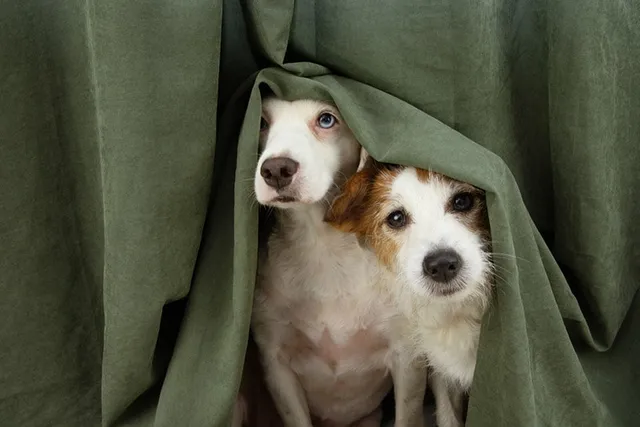
When your dog seems afraid or unsure of something, give them the ability to move away from the object/person. Divert their attention by having them perform commands that they know such as sit, touch, or middle. When they perform these tasks and are not reacting with fear, offer treats and praise.
Your dog will want to work toward getting positive reinforcement, so they should be more focused on that rather than the perceived “threat” at hand. In working toward getting positive attention, they will naturally build confidence and learn to behave confidently on their own.

2. Utilize Desensitization Techniques
Desensitization involves very carefully and gradually exposing a dog to the sounds and sights that they are afraid of until they become “desensitized” to those things. The idea is that once your dog gets used to the noise or sight and realizes that those things pose no threat, they will stop being afraid and build confidence when it comes to being exposed to more things that they are unsure of.
For example, if your dog is afraid of the sound of thunder, you can play thunderstorm sounds at an almost inaudible level to start with. You should start when your dog is very calm and relaxed. If they show any signs of fear then you need to stop, reduce the volume, and try again another day. Gradually you will be able to increase the volume and duration of the thunder noises.
3. Make Socialization a Priority
If your dog isn’t confident in social situations, they are likely not to be confident in any situation that they aren’t used to. Being confident in social situations can help build confidence in all aspects of your dog’s life.
It is important to start socializing your pup while they are still young. The socialization window for most dogs is from about 3 weeks of age to 16 weeks old. They should be carefully and safely introduced to as many new situations, environments, people, and animals as possible during this time.
You should continually reinforce this lifelong learning to establish and maintain social confidence. If your dog is older or has missed the puppy socialization window seek advice from a veterinarian or registered behaviorist to help.
4. Incorporate Puzzles Into Playtime
Puzzle toys are fun for dogs, but they serve a bigger purpose than just entertainment. They engage dogs and encourage them to troubleshoot and learn how to solve problems. As the challenges are overcome, more confidence should be instilled in your pup.
It’s a good idea to pull a puzzle toy out once a day and help your dog solve the puzzle until they can do it on their own. Start with easy puzzle toys, and move on to more complicated ones as your dog gets better at problem-solving.
5. Make Staying Home Alone Feel Safe
Being home alone with low-confidence levels can make your pup develop separation anxiety and make their confidence wane even more. Therefore, it is important to make sure your dog feels safe whenever they spend time alone. Start by making their kennel a space where they can nap and get away from the commotion of the household.
Let your dog stay in their kennel when everyone is away from home so they feel secure and confident until you come back. Once that goes well, leave the kennel door open while you’re gone so they can go out and explore the house when they feel confident enough to do so.
Leaving a television or radio on can help soothe them and make them feel like they have company. Open a curtain where they can look outside and get accustomed to the sounds going on out there while you’re away from home.

6. Don’t Forget About Training
Training is important for many reasons, including building up confidence in your dog. As they learn to follow commands and do tricks and every time they are praised, they will gain more confidence in themselves and their actions. It will also help to forge a strong relationship with you and allow them to follow your guidance.
They will understand better what is expected of them when interacting with others, and they will be more open to following your instructions. Start obedience training early, while your dog is still a young puppy. The earlier training starts, the better behaved they will be and the more confidence they will have as adults.

Conclusion
Building confidence in a dog is crucial to ensure that they enjoy a long, happy, and healthy life overall. There are several ways to build confidence, but we suggest utilizing all of them instead of just picking and choosing.
The more you incorporate confidence-building techniques into your dog’s day, the easier it will be for your dog to benefit. We always recommend that behavior problems be discussed with your veterinarian or registered dog behaviorist for support.
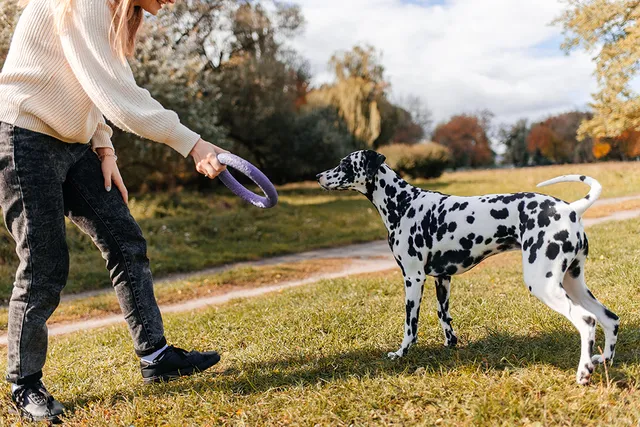
Featured Image Credit: Olena Yakobchuk, Shutterstock
Expert dog care, straight to your inbox
News, insights, expert advice, and everything dog.

No spam — unsubscribe anytime.
By signing up, you agree to our Terms & Conditions and Privacy & Cookies Policy.
How useful was this post?
Click a star to rate. You can leave written feedback afterwards. (We read all feedback.)
Rachael has been a freelance writer since 2000. In this time she has had an opportunity to research and write about many different topics while working to master the art of fusing high-quality content with effective content marketing strategies. She is an artist at heart and loves to read, paint, and make jewelry. As a vegan, Rachael is obsessed with helping animals in need, both in her community and anywhere in the world where she feels she can make a difference. Animals also happen to be her favorite topic to write about! She lives off the grid in Hawaii with her husband, her garden, and her rescue animals including 5 dogs, a cat, a goat, and flock of chickens.