How to Rehabilitate a Puppy Mill Dog: 7 Vet-Approved Tips



In this article
Rescuing a puppy mill dog can be one of the most fulfilling adventures a loving pet parent can embark on and a training experience like no other. Raised in desolation and often enduring a lifetime of abuse in the only home they’ve ever known, puppy mill dogs face unique difficulties adapting to loving families, with deeply embedded stress and fears that can seem impossible to fix.
Puppy mill dogs vary in how well they adjust to their homes, with some rapidly coming out of their shell and others continuing to struggle physically, emotionally, and socially their entire lives. Regardless, all rescued dogs deserve every ounce of effort and appreciation their family can afford. As you begin your new ownership journey, consider these essential insights and tips on training your puppy mill survivor to give them the highest quality of life possible.

Understanding the Challenges of Training a Puppy Mill Survivor
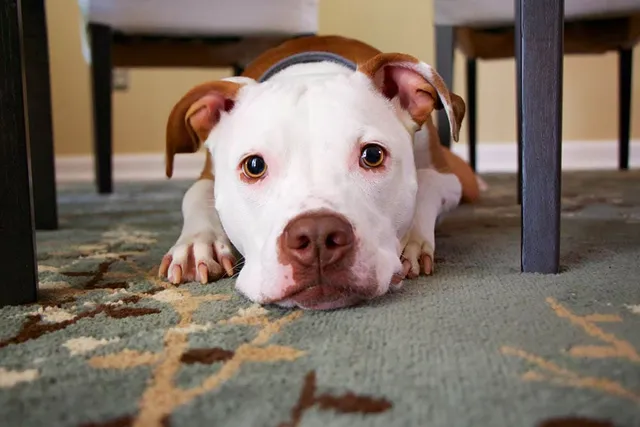
A puppy mill survivor’s adjustment to their second chance at life is unique. Many dogs show behaviors akin to those of PTSD. They tend to be less aggressive, less likely to pull on leashes or escape, and less excitable and energetic than the average dog. The defining factor for most is extreme fear.
Common characteristics of puppy mill dogs versus other dogs include:
Puppy mill survivors are generally much less responsive to training. A lack of attention and focus is a persistent issue, to the point that many owners feel their dogs have impaired mental functioning, as evidenced in the likelihood of the dog staring blankly into space, becoming confused, or showing minimal emotion to certain stimuli.

Patience and Acceptance Are Key
A lack of focus, obsessive behaviors, and many other manifestations of fear add unique challenges to training a puppy mill dog. More crucial than anything is patience. New owners must let their dogs move at their own pace, understanding that some may only need a few days to show signs of improvement while others may take years to begin opening up.
Perfection is rare, but improvement is cause for celebration. Accept your dog for who they are. Keep expectations low, and respect the time it will take to rehabilitate them. While you should always hope for the best, you must prepare for the worst.
The 7 Tips on How to Rehabilitate a Puppy Mill Dog
1. Provide a Crate and a Quiet Room When You Bring Your Dog Home
A crate is a den area where your puppy mill dog can retreat when they become overwhelmed. Ensure that it’s only large enough for your dog to stand, turn around, and lie down comfortably.
Make the crate comfortable with bedding, and create positive associations by offering special treats for using it, like filled Kongs or other treats. To help your pup feel more relaxed, you can drape a blanket or sheet over the crate. Good airflow is important and necessary, but the general idea is to mimic the privacy and security of a den. That said, take into consideration the weather, as this is not ideal on a hot day.
When you bring your puppy mill dog home, set the crate in a quiet room free of hazards or chewable items. Put food and water dishes near their crate and pee pads away from it. Leave the crate door open so your dog can explore, and quietly check in occasionally.
Not all puppy mill survivors can handle crates, so a pen may be better. Regardless, they should have a space to help them feel safe and prevent them from getting into anything, especially while you’re gone.

2. Let Your Dog Decide to Interact With You and Others
In the first few days, let your dog come to you, and make yourself as non-threatening as possible. Performing the following actions can help your dog stay relaxed during your initial interactions:
- Stand sideways to your dog.
- Crouch.
- Avoid direct eye contact.
- Don’t make any sudden movements.
- Speak in a calm, quiet voice.
You can begin building trust by scattering dog-safe treats around you at various distances. Stay calm as your dog goes for them. They may not come near you initially, but they’ll eventually close the gap as they realize you aren’t a threat and in fact, are the provider of positive experiences.
When your dog shows comfort, you can present your hand near the treats to counter-condition them to your presence. Gauge your dog’s body language so you don’t push too far. Eventually, you can present a treat in your hand.
Have others introduce themselves the same way once your dog becomes comfortable in their new home.
3. Be Gentle, Quiet, Slow, and Calm
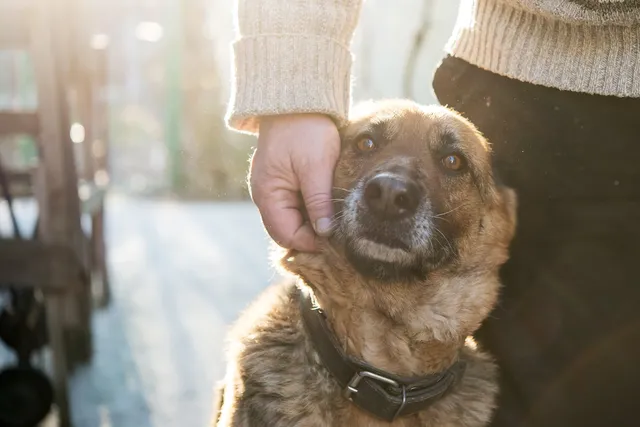
Let your dog dictate when they’re ready for physical touch. Counter-condition them to your presence, and when they’re ready, present your hand for them to explore at their pace. Continue to pair touching them gently with offering them a treat, and gradually increase the time and change the areas of the body that they allow you to touch until you feel they’re comfortable with you picking them up.
Once your dog allows you to hold them, your soothing voice and petting actions can provide daily comfort. Remaining calm and gentle is an unconditional necessity. Even when your dog accomplishes a critical goal, you don’t want to give your puppy mill rescue excited praise as you might with other dogs because this can startle them and put them on edge. Be slow and deliberate in every motion and communication to keep your dog at ease.

4. Introduce Everything Slowly With Counterconditioning and Desensitization
Puppy mill dogs only know the inside of a cage, so owners must assume that everything is new and potentially frightening for them. Most have never seen stairs or even walked through a door, and the litany of new noises in the home can all cause some level of anxiety. As you can imagine, new people can be particularly stressful.
Don’t assume anything or force your dog into a situation if they show stress or fear. Slowly present new items, areas of the house, sounds, and other potential stressors while offering high-value treats to help them change their perspective on the stimuli. Try to pick moments when your rescued mill puppy is calm so you can deliver the treats with good timing.
5. Involve Other Dogs
One of the most effective recovery tools for a puppy mill rescue is another dog that is socialized, friendly, calm, and well-behaved. They can provide familiarity and a relatable figure that can teach your rescue to adapt in the following ways:
- Modeling behaviors like play, potty habits, and positive interactions
- Providing social buffering to reduce intense emotional reactions to potentially scary or stressful situations
- Reducing social pressure by letting caregivers give attention to the other dog
Ideally, you’ll have another well-behaved dog in the home. If you don’t, find ways to make consistent interaction possible.
A dog park is likely too overwhelming. You can set up frequent playdates if you know a friend or family member with a well-adjusted pup. Introduce the dogs slowly by letting them exchange scents while separated before they interact, and intervene when necessary if you notice fear or displacement.

6. Build a Consistent Schedule and Environment
Puppy mill dogs can become stressed by any change, whether it’s a shift in the routine or a rearrangement of furniture. Set a strict schedule for feeding, interactions, crate time, and bedtime. Maintain a consistent environment while identifying stressors you can remove to make it easier for your dog to adjust.
By creating reliability and predictability, you’ll promote your dog’s confidence and foster their trust, making it easier for them to approach and open up to you and their new life.
7. Provide Emotional Support During Desensitization
Helping a puppy mill dog overcome fears is a tricky balancing act of gently nudging them forward out of their comfort zone without causing stress. While they need safe spaces, allowing them to retreat at every moment of adversity won’t promote recovery.
Gradually expose your dog to stressors while providing support. If your dog fears strangers, allow brief encounters from a distance while offering comfort. You can pet your dog, let them move behind you, or speak soothingly, whatever provides security.
Watch your dog’s body language to ensure they don’t tip from apprehension to terror. If they look at you with uncertainty, you can continue, but if they show pronounced agitation and attempt to escape, take a step back to let them relax.
You don’t want to go past that narrow threshold of minor discomfort. If you rush them, you’ll only validate your dog’s fears and make them more challenging.

Final Thoughts
All puppy mill dogs adapt differently to a new home, requiring creative measures tailored to their needs. For any survivor, patience and positivity are essential. Expect difficulties and a need to take a step back for every bit of progress you make. Your observational skills, attention to detail, careful planning, and reinforcement delivery timing can make a great difference. While few dogs will improve 100%, you can always take pride in your attempts to offer a loving home and a chance for your dog to live the life they deserve.
Sources
Featured Image Credit: khlungcenter, Shutterstock
Expert dog care, straight to your inbox
News, insights, expert advice, and everything dog.

No spam — unsubscribe anytime.
By signing up, you agree to our Terms & Conditions and Privacy & Cookies Policy.
How useful was this post?
Click a star to rate. You can leave written feedback afterwards. (We read all feedback.)
Nicole has loved animals of all sizes her whole life so it's no wonder she has dedicated her career to helping them through what she loves best: learning, writing, and sharing knowledge with others. She’s the proud mom of two dogs, a cat, and a human. With a degree in Education and 15+ years of writing experience, Nicole wants to help pet parents and pets around the planet to live happy, safe, and healthy lives.