Why Does My Weimaraner Nook? What It Is, Reasons & Solutions


In this article
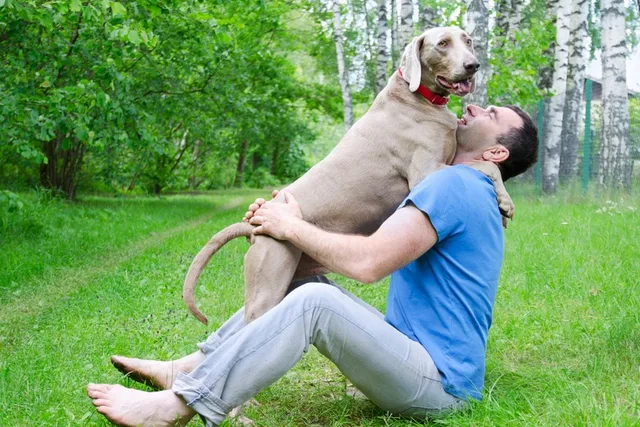
Weimaraners are known for their striking appearance, intelligence, and strong personalities. But if you're a Weimaraner owner, you might have noticed a peculiar behavior that leaves you puzzled: nooking. In this article, we'll explore why your Weimaraner may be nooking, the history and behavior of Weimaraners, and some tips and tricks to help redirect their behavior.

A Brief History of Weimaraners
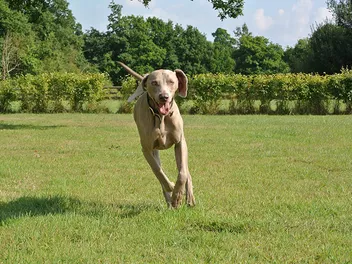
Weimaraners were originally bred in Germany for hunting large game. They're a versatile breed, known for their endurance, agility, and keen sense of smell. Due to their intelligence and strong bond with their owners, Weimaraners have also found success in various dog sports and in some working roles.

What Is Nooking?
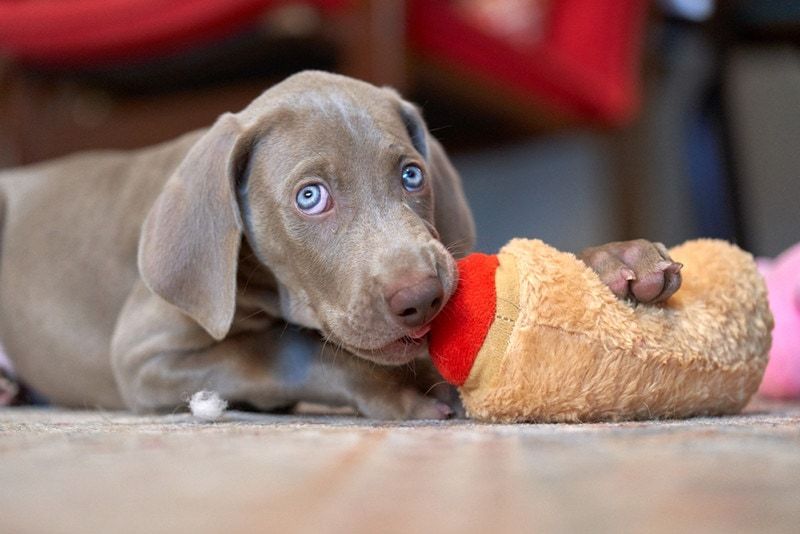
Nooking is a behavior where your dog suckles or chews on soft items like blankets or stuffed toys. Your dog may twist the fabric so that it resembles a nursing nipple. It's common in Weimaraners and some other breeds like the Vizsla, Retriever breeds, and Dobermans. It can be concerning if it becomes excessive or destructive. Nooking may occur for various reasons, including early weaning, anxiety or stress, boredom, or a possible breed-associated tendency.
The Psychology Behind Nooking
Nooking can be seen as a form of self-soothing, similar to how some people bite their nails or twirl their hair when they're nervous. For dogs, the act of suckling or chewing on soft items can provide a sense of comfort and security, helping them cope with stress or anxiety.
The 4 Possible Reasons for Nooking

1. Early Weaning
Some dogs may have been weaned too early from their mother, causing them to seek comfort through nooking. Puppies usually begin the weaning process around 3-4 weeks of age, with complete weaning typically occurring around 6–8 weeks, but if this happens earlier, it might lead to an increased need for oral stimulation and comfort-seeking behaviors like nooking.
2. Anxiety or Stress
Nooking can be a coping mechanism for dogs experiencing anxiety or stress, providing a sense of security and self-soothing. Weimaraners are known for their strong bond with their owners, which can sometimes result in separation anxiety when left alone. Identifying the sources of stress in your dog's life and working to minimize them can help reduce their reliance on nooking as a coping strategy.
3. Boredom
Weimaraners are high-energy dogs that require mental and physical stimulation; nooking might be an outlet for their boredom. Ensuring your Weimaraner receives enough exercise and engaging activities throughout the day can help prevent boredom-related nooking. Consider incorporating interactive toys, puzzle feeders, or regular training sessions to keep your dog entertained and mentally stimulated.
4. Learned Behavior
In some Weimaraners, nooking can become a learned habit because it feels comforting. If your dog discovers that nooking helps them relax and the behavior isn’t redirected, they may continue doing it over time.

Managing Nooking Behavior
If your Weimaraner's nooking behavior becomes excessive or destructive, it's essential to address the issue. Here are some tips for managing nooking.
By understanding the potential causes of nooking and implementing appropriate management strategies, you can help ensure that your Weimaraner's nooking behavior remains a harmless and non-destructive habit.
Other Breed-Specific Issues in Weimaraners
Weimaraners are prone to separation anxiety due to their strong attachment to their owners. This can lead to vocalization, destructiveness, or repetitive self-soothing behaviors like nooking. Ensuring your Weimaraner has a consistent routine, socialization, and gradual desensitization to being alone can help reduce anxiety-related issues.

Final Thoughts
Nooking is a common issue in the Weimaraner breed that can be due to learned or self-soothing behavior, anxiety or stress, boredom, early weaning, or other factors. If your Weimaraner is nooking, it is usually not a medical concern unless it becomes excessive, leads to ingestion of non-food items, or causes damage to teeth or oral tissues. In which case, there are several ways to discourage nooking and redirect your Weimaraner and make sure they have plenty of mental and physical stimulation.
See Also:
Featured Image Credit: SillyDogPhotos, Shutterstock
Expert dog care, straight to your inbox
News, insights, expert advice, and everything dog.

No spam — unsubscribe anytime.
By signing up, you agree to our Terms & Conditions and Privacy & Cookies Policy.
How useful was this post?
Click a star to rate. You can leave written feedback afterwards. (We read all feedback.)
Nicole has loved animals of all sizes her whole life so it's no wonder she has dedicated her career to helping them through what she loves best: learning, writing, and sharing knowledge with others. She’s the proud mom of two dogs, a cat, and a human. With a degree in Education and 15+ years of writing experience, Nicole wants to help pet parents and pets around the planet to live happy, safe, and healthy lives.