Separation Anxiety in Dogs: Vet-Approved Guide



In this article
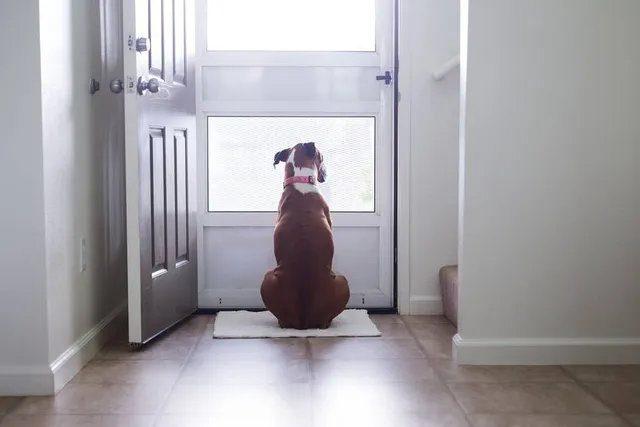
Separation anxiety is very real for some dogs, and this disorder can leave them feeling extreme fear when they are left at home alone, even for short periods of time. This fear can cause your dog to become destructive, cry, bark excessively, drool, and pace back and forth—even before you have walked out the door. Some dogs develop separation anxiety because of their personality, or not being used to being left alone, while others can develop it after experiencing a traumatic event or a sudden change.
Whatever the reason, it needs to be addressed. Keep reading as we guide you through this disorder and how you can help your dog.

What Is Separation Anxiety?
If your dog plays up terribly whenever you need to leave them at home alone for a few hours, they may have separation anxiety. Most puppies will cry or whimper the first time you leave them on their own or even the first few times, which is a normal behavior.
However, if your usually well-behaved dog cries from the moment you leave until the moment you arrive back, has soiled the floor, or has shredded various items in your home, you may have a more serious problem on your hands. Separation anxiety isn’t the result of bad behavior or a lack of training but extreme stress. It is caused by an incredible fear of being alone or away from a particular person (or animal), during which your pet’s brain is functioning in fight or flight mode.
Dogs that suffer from separation anxiety experience a high level of stress every time they’re separated from the people they’re bonded to, even if it’s for a quick trip to the store. Not only is it emotionally and physically taxing on the dog, but it is incredibly difficult and heartbreaking for the owners.

What Are the Signs of Separation Anxiety?
Sometimes, signs of separation anxiety can mimic other health conditions. For example, if your dog has accidents in the home and breaks house training while you’re out, it could be because they have a urinary tract problem, or even cognitive dysfunction. It’s important to take your dog to the veterinarian for a diagnosis to ensure that their behavior isn’t the result of an underlying health issue.
There are several signs of separation anxiety, which can range between mild and severe. More often than not, your dog’s behavior will start to change before you even leave the house, as your dog is hyper-aware. Actions such as looking for your keys, putting on your shoes, or grabbing your sunglasses are all cues that your dog may associate with you leaving the house, which may cause them to show signs of separation anxiety.
These signs can include:
What Are the Causes of Separation Anxiety?
There is no one cause for why dogs develop separation anxiety, but it is very common among dogs that have been adopted from a shelter. These dogs can develop separation anxiety because they were abandoned, and even though they have been welcomed into a new family, the dog may have an extreme fear of losing members of their new family or being abandoned once again, which is why they react so intensely when their owners leave the house without them.
Separation anxiety is also seen in dogs that grew up with their owners working from home. If the owner needs to go out for a few hours or start a new job that requires them to work from the office, these dogs usually don’t cope with their newfound loneliness well.
A sudden change in a dog’s routine, residence, or family structure is commonly associated with separation anxiety, as most dogs don’t adapt to change well. Moving homes, divorce, and death can all lead to the development of this disorder. A traumatic event, such as the house being robbed, can also contribute to this.
Some puppies suffer from separation anxiety, while others don’t. This could come down to the personality of the dog, with some dogs being more reliant on their owners' company than others.

How Do I Care for a Dog with Separation Anxiety?
Depending on how badly your dog suffers from separation anxiety, you may need to reach out to your veterinarian for medication to help ease their anxiety, especially in the early stages as you start to implement ways to help your dog with their disorder. Reaching out to a professional dog trainer may also be a good route to take in helping your dog feel less reliant on you and more relaxed on their own.
Regardless of what you do, it is going to take time and patience to help your dog overcome their separation anxiety. Here are a few ways that you can help care for a dog with separation anxiety:
1. Keep Your Dog Mentally and Physically Active
It’s important to help your dog release their energy through physical activity such as walks, runs, hikes, and swimming. Allow them to sniff and explore new environments and play games of fetch in your yard or at the park. Keeping them mentally active with puzzle toys, sniffing out hidden treats, and learning new tricks are excellent ways to tire your dog out before you leave for work in the morning or a social event in the evening.
If your dog is mentally and physically tired, they might not be as focused on your absence and may not react as intensely once you leave.
2. Distract Your Dog
When you do need to go out for a bit, leave the television or radio on so that your dog doesn’t feel as alone. You can also leave out their favorite chew toy or treat mat that keeps them busy for long periods of time. However, your dog may begin to associate those objects with you leaving, so be sure to put them out to enjoy on days that you’re remaining at home, too.
3. Establish a Routine
If you have to come and go during the day because of work or other commitments, try to keep it consistent. Dogs thrive off routine and will develop a sense of comfort knowing when you will leave in the morning and when you’ll arrive back home. As much as you will miss your dog while you’re gone and may love to hug and kiss them goodbye, it’s also important to keep your comings and goings as uneventful as possible so that they don’t associate your departure as something to get worked up about.

4. Train Your Dog
The training process for a dog with separation anxiety will require a lot of work. If your dog is not responding well to training, it may be because they are too anxious to focus properly. Talk to your vet about medication as a tool to ease anxiety whilst you are training your dog. The training starts with training your dog to wait in their bed or crate on command. Reward their calm behavior with treats. Gradually, you can go further away from your dog, even out of sight, without triggering their anxiety.
5. Keep Greetings and Departures Low Key
When you leave, try not to alert your dog to the fact you will be leaving. Slip away while they are distracted with a nice treat or toy. When you return, ignore your dog until they calm down. If they seem too excited to see you, do not reinforce this behavior with attention. However, when they do calm down you can calmly interact with them.
6. Try Avoid the Situation
While this is not always possible, while the medication and training kicks in, try not to put your dog in a situation that would trigger severe anxiety. The solution is dependent on your situation but working from home, doggy daycare, or friends/family looking after your dog could be a solution.


Frequently Asked Questions (FAQ)
How Long Does It Take for a Dog to Overcome Separation Anxiety?
Curing separation anxiety isn’t a quick fix and will require a lot of patience, love, positive reinforcement, and consistency from you. The timeline can look different for each dog, but it can take a few months before you see a change in their behavior when you leave them on their own. The good news is that it can result in a stress-free dog, but the bad news is that separation anxiety can resurface if your dog faces new challenges.
Is Separation Anxiety Preventable?
There are ways to try to prevent separation anxiety in dogs, but it isn’t always successful and usually needs to be implemented from a young age. Things like socializing your puppy with pets and people, keeping them busy with toys when you’re out, and encouraging alone time are some ways to prevent separation anxiety.
Should I Punish My Dog If They’ve Been Destructive?
If you’ve come home to chewed-up socks, cushions, and furniture, it’s natural to feel angry. However, it is important to remember that your dog did what they did out of extreme fear, not out of bad behavior. By reacting to the situation, you’re only adding fuel to the fire and will increase their anxiety around future departures.

Conclusion
Dogs with separation anxiety tend to tremble, pace, bark, and dig when left alone at home—not because they’re badly behaved but because they’re extremely fearful of being separated from their owner. It’s important to show patience and kindness to these dogs, as punishment will only fuel their anxiety and worsen the situation.
You can help your dog by getting the help of a professional dog trainer, medications from your veterinarian, keeping them mentally and physically active, keeping them busy when you’re out, and establishing a routine. Treatment for separation anxiety is usually successful, but it may take some time before you see changes in your dog.
See Also:
Featured Image Credit: Muk Photo, Shutterstock
Expert dog care, straight to your inbox
News, insights, expert advice, and everything dog.

No spam — unsubscribe anytime.
By signing up, you agree to our Terms & Conditions and Privacy & Cookies Policy.
How useful was this post?
Click a star to rate. You can leave written feedback afterwards. (We read all feedback.)
Keri-Beth is a freelance writer from South African who specializes in animals. She has grown up with a range of pets, volunteered at many shelters, and is highly passionate about pet care. Currently, Keri-Beth is raising two dogs - Benji, the Golden Cocker Spaniel, and Gracie, the Boerboel. With so much information out there, Keri-Beth has made it her questo to make pet care as easy and straightforward as possible for any pet parent in the world.
In her spare time, Keri-Beth enjoys photography, camping, and spending time with her husband, who is a professional drummer.