Why Does My Dog Steal My Socks? 6 Vet-Reviewed Reasons & Solutions


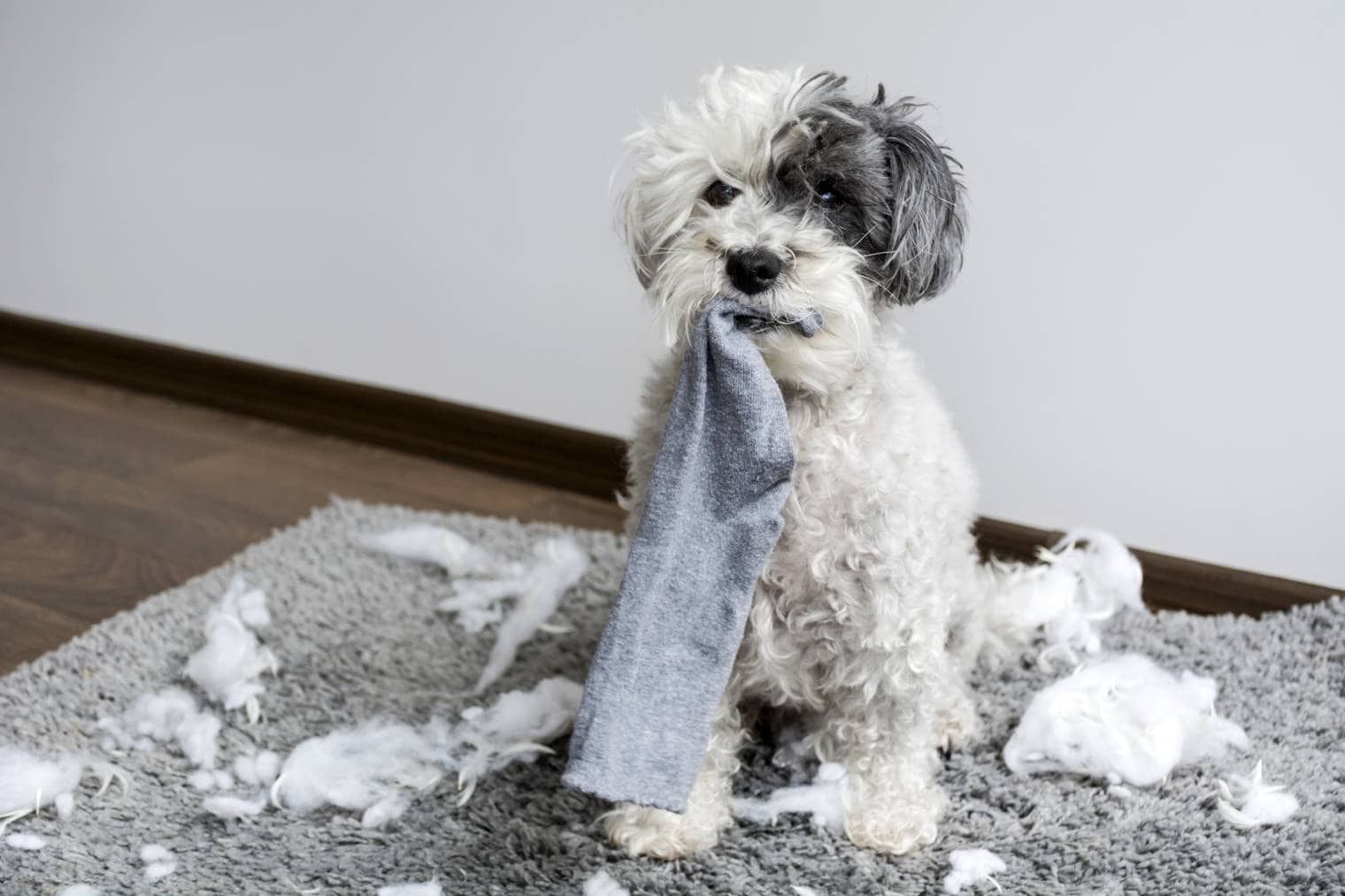
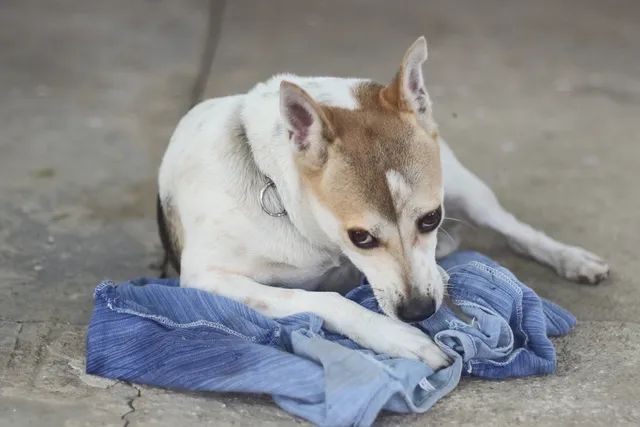
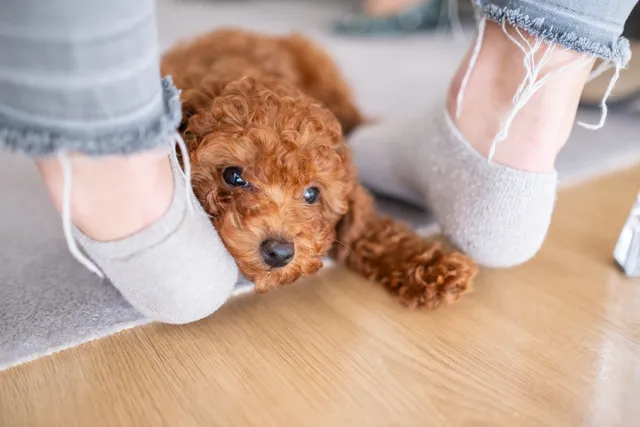
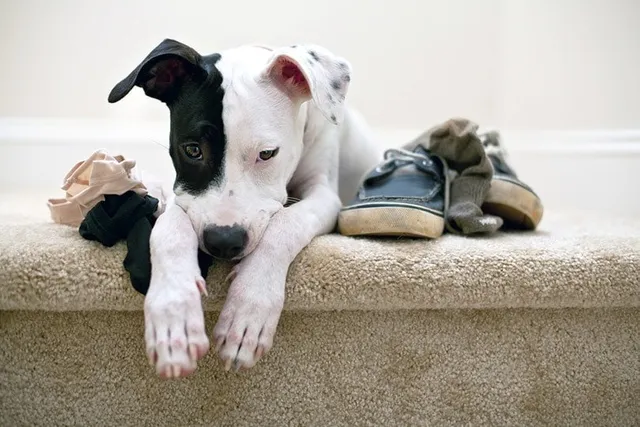
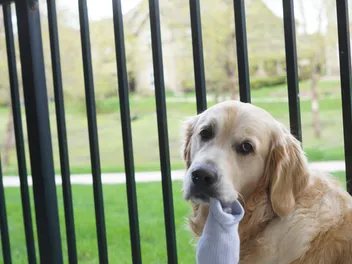
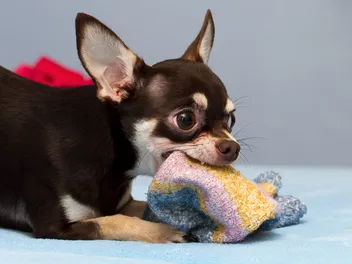
Most dog owners can attest that clothing theft is an all-time favorite canine pastime. And if your canine is like most, it probably has a strong preference for entertaining itself with dirty laundry; your socks are an extremely popular target. Have you ever wondered why your dog loves stealing pungent, stinky, worn socks? If so, read on for why your dog can’t keep their paws off those old socks you threw in the laundry basket.
Importantly, if your dog swallowed a sock, please reach out to a vet urgently, as this often leads to a gastrointestinal obstruction which needs to be treated promptly.

The 6 Possible Reasons That Dogs Steal Socks
1. Attention
Some dogs can be notorious attention seekers, and it may seem as if they have a radar for those moments when you’re in the middle of something important. Stealing clothes and other undesirable, sometimes destructive behaviors can soon become mechanisms some dogs use to get the attention of their owners, especially if they learned it worked in the past.
Since dogs are intelligent and often quick learners, they usually go for something guaranteed to make you react. Some even double down on the behavior by chewing and sometimes inadvertently swallowing bits and pieces of whatever they’ve gotten into. This poses a serious health risk and should be avoided at all cost.
Prevention works wonders when it comes to managing attention-seeking behaviors.

- How to fix the problem:
Give your pet plenty of extra TLC before you take that phone call or sit down to answer that important email. Set dedicated times during the day to engage in play and interaction with them. To minimize disturbances, make sure your furry friend has been well exercised before you continue with your daily obligations and that they have a safe, indestructible toy to play with under supervision. For important meetings, consider working in a room your buddy doesn’t have access to.
2. Separation Anxiety
Dogs are social creatures who bond deeply with their caregivers. Unsurprisingly, some dogs may become anxious when left alone, even for short periods, and they often bark loudly when their owner leaves. These animals may chew things or even destroy furniture while their human is gone.
When alone, dogs suffering from separation anxiety may chew on objects to calm themselves, as some may respond positively to their owner’s scent. Chewing for dogs may provide a degree of soothing and reassurance as a stress-related coping behavior, but ingesting any pieces of clothing poses a serious health risk and should be prevented. Instead of leaving any clothes within your dog’s reach, it’s better to place it somewhere they can smell it but can’t accidentally ingest any.
- How to manage the problem:
Separation anxiety is best addressed by reducing the stress your friend feels when left alone. Exercise helps reduce boredom and frustration that can contribute to undesirable behaviors, and walking or running with your pet before you leave may help minimize chewing driven by excess energy while you’re gone. Slow and gradual desensitisation through training with a professional canine behaviorist may be required in many cases. Most pets experiencing separation anxiety benefit from a calm living environment with a well established routine.
3. Chewing
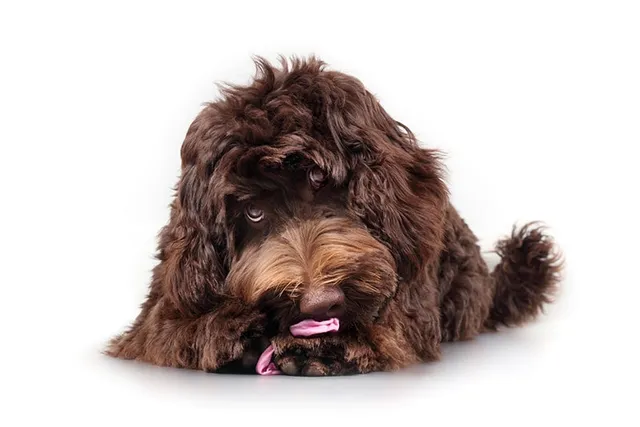
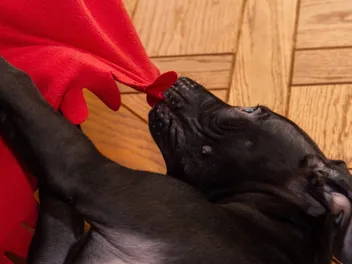
If your dog enjoys chewing more than any other activity on earth, ’it’s probably not alone! While dogs engage with the world using their sense of smell, most love to lick and pick up strange objects with their mouths.
Dogs chew for various reasons, from stress, boredom, lack of enrichment, habit, to curiosity. When it comes to chewing, it’s critical to identify the cause of the behavior before determining a solution. If your dog isn’t exhibiting other signs of stress, such as excessive barking, whining, shaking or pacing, it’s probably just entertaining itself in a time-honored instinctive way—by chewing.

- How to fix the problem:
If your dog is healthy, getting enough exercise, enjoying life, and occasionally getting into your dirty laundry, occasional interest in dirty laundry is often manageable. The most important step is restricting access to laundry bins, as ingesting clothing can pose serious health risks. Providing a variety of safe chew toys they can play with under supervision. A toy box filled with doggy toys can keep your pet stimulated and prevent damage to your property.
4. Boredom
Canines left at home alone during the day are frequent sock-stealing offenders, and some become destructive out of sheer boredom. Dogs require a ton of mental and physical stimulation and need safe toys and activities to keep them busy.
While adult dogs can usually be left alone indoors for 4–6 hours, after they have been well exercised, puppies and sick dogs can often only stay by themselves for very short periods. Dogs must have something to engage with, or boredom will set in, and you’ll come home to discover your pooch has gotten into your laundry basket.
- How to fix the problem:
Take your pup on a long walk every day or play with it before you leave the house to wear it out a bit. It will be less likely to exhibit destructive behavior if its needs for mental stimulation are met. Wearing your canine friend out with a good long walk or occasional weekly hike will encourage napping, which leaves less time for getting into your unmentionables.
5. Your Smell
Animals have specific strengths, and dogs are super smellers—they can smell anywhere from 1,000 to 10,000 times better than humans. Canines of all breeds, especially hounds, rely heavily on their noses to interpret the environment and even learn about other animals.
A dog with a special bond with its owner is often comforted by that individual’s scent. It makes sense that when you’re away, your dog seeks out items that smell like you. It’s kind of like a canine security blanket.

- How to fix the problem:
While this may seem harmless, keeping clothing and other items your dog likes to chew out of your friend’s paws is always best. Not only can your clothing rip and tear, but there’s also always the chance your dog will ingest something, sending you to the vet for an emergency visit.
6. Pica
Pica is a medical condition in which dogs regularly and compulsively eat non-food objects. Anything from drywall to toilet paper are possible targets, but clothing and other items that smell like the dog’s favorite person are often what the pet keeps returning to.
Pica can have several causes, from nutritional deficiencies, abnormally big appetite due to metabolic or endocrine illness, gastrointestinal disorders, thyroid problems to stress. Some dogs may make a habit out of it. Your vet can run blood tests to see if your dog might be stealing and eating your socks because of a medical condition. However, you can take steps to protect your dog’s health regardless of the cause.
- How to fix the problem:
Seek prompt veterinary advice if you’re concerned about your pet’s well-being.
Dogs suffering from Pica tend to have favorite non-food objects they regularly eat. So, the simplest way to keep your dog safe is to keep them away from their favorite non-food targets, including your socks.
Opt for a laundry basket with a secure lid for a quick and easy fix, and put your socks in the hamper where they belong instead of on the floor. Of course, continue to visit your vet so they can monitor your pet’s progress with the condition.
Seek veterinary advice if you’re concerned about your pet’s well-being.
Conclusion
While it may appear harmless for dogs to steal socks, chewing on and eating products like nylon can be dangerous for dogs, depending on the animal’s size and how much they ingest. Try to identify the cause of the behavior with the help of your vet and limit access to clothing and socks by providing safe alternatives and giving your companion a ton of affection and attention. If your furry friend gets into your dirty laundry and eats a sock or another piece of clothing, prevent your pet from eating anything else and call your vet for advice immediately.
Related Read:
Featured Image Credit: Boryana Manzurova, Shutterstock
Expert dog care, straight to your inbox
News, insights, expert advice, and everything dog.

No spam — unsubscribe anytime.
By signing up, you agree to our Terms & Conditions and Privacy & Cookies Policy.
How useful was this post?
Click a star to rate. You can leave written feedback afterwards. (We read all feedback.)
Lorre Luther is a writer from Rotterdam. A former lawyer from the United States, she moved to the Netherlands to follow her dreams and become a writer. Lorre enjoys traveling and reveling in the astonishing beauty of our world. She has a soft spot for animals and is firmly convinced that cats are smarter than humans.