How to Train a Weimaraner: 10 Vet-Approved Tips & Common Mistakes to Avoid


In this article
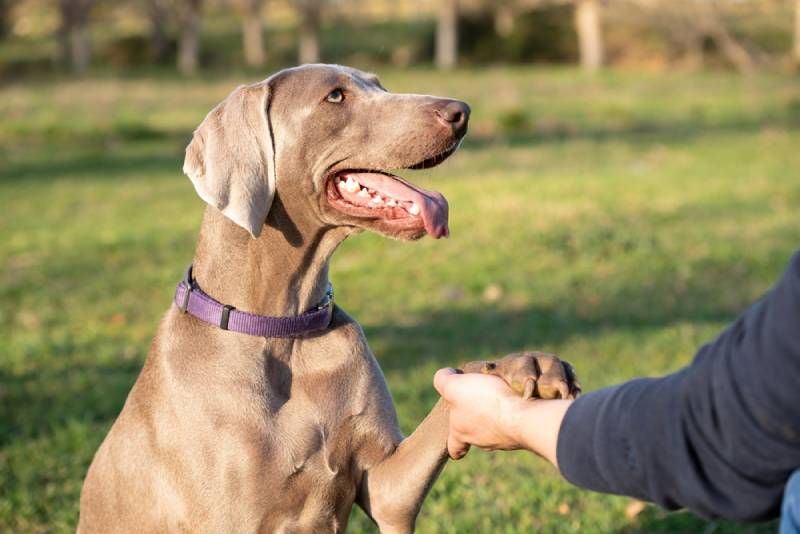
Are you a proud owner of a Weimaraner dog, but struggling with training them to be their best selves? If so, look no further. Weimaraners are smart and active dogs that require proper training to unleash their full potential. Training your dog can be a fun and very rewarding experience, but it can also be challenging if you don't have any experience or expert guidance to help. So here are some top tips to help you train your Weimaraner and bring out the best in them.
Basic training commands are the foundation of any dog's training and should be taught to your Weimaraner using positive reinforcement methods and through early, consistent socialization and training. Here are some essential commands that every Weimaraner should know.

The 10 Expert Tips to Train a Weimaraner
1. Teach Them to Sit
Teaching your Weimaraner to sit is one of the easiest commands, and it's a great way to start their training. To start this training, simply hold a treat in front of your dog's nose and slowly move it upwards towards their head. As your dog's head goes up, their bottom will naturally go down. As soon as their bottom touches the ground, say "sit" and give them the treat. Repeat this process several times a day until your dog masters the command. You can follow the same steps for teaching your dog how to stay, come, and "fetch", although each cue should be introduced and practiced separately.
2. Teach Them to Heel
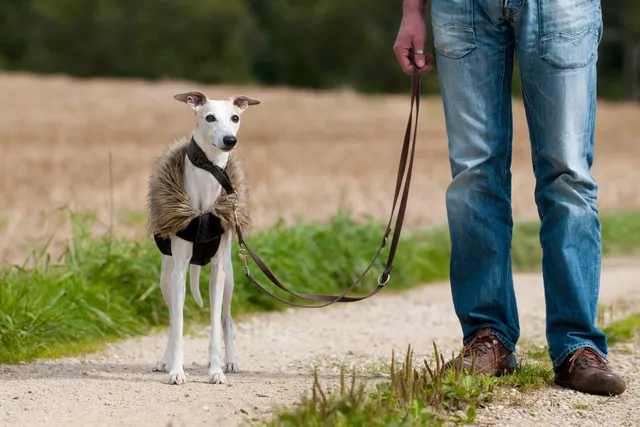
One of the essential commands to train your Weimaraner is to heel, which means walking by your side without pulling the leash. Teaching this command can help your dog walk more calmly and under control in public places and during outdoor activities. To start training your Weimaraner to heel, you need a properly fitting collar or harness and leash. Begin by holding the leash with a relaxed grip and encouraging your dog’s attention with a treat. Keep a treat in your other hand and hold it close to your body. As you start walking, say "heel" in a clear cue, and reward your dog with the treat when they walk beside you without pulling. As the dog progresses, gradually eliminate the treat and use only praise and affection to reward good behavior.

3. Always Use Positive Reinforcement
Positive reinforcement is a training technique that involves rewarding your dog for good behavior. It's an effective and humane way to train your Weimaraner, and it helps to strengthen the bond between you and your dog. Here are some positive reinforcement training techniques you can use.
Start With Their Favorite Treats
Using treats as a reward is one of the most common positive reinforcement techniques. When your dog performs the action given, give them a treat and praise. Make sure to use small treats that your dog can easily eat – be careful not to overfeed them, as excess treats can contribute to unwanted weight gain and may reduce food motivation during training.
Verbal Praise
Verbal praise is another effective way to reinforce good behavior. When your dog performs a desired behavior, praise them with a happy, enthusiastic tone of voice. Use phrases such as "good boy/girl" or "well done." Verbal praise is one of the best ways that you're going to keep your dog motivated and encouraged. Never use aggressive behavior or punishment to train your dog, as these approaches can increase fear, stress, or anxiety and may interfere with learning.
Clicker Training
Clicker training is a great method of training that uses a clicker to mark good behavior. And it's one of the best methods to train a young dog simple introductory commands. When your dog performs on command, click the clicker, and immediately give them a treat. This helps to mark the action and helps the dog associate the click sound with the correct behavior and a reward.
4. Introduce Them to Different People While Young
Introduce your dog to different people of all ages, races, and genders. This will help them to feel comfortable around strangers and may help reduce the risk of fear-related behaviors. Socializing your Weimaraner during early development is important for their overall development and well-being. It helps to reduce the likelihood of certain behavioral problems, such as fear or anxiety, and it helps your dog become more comfortable and confident in a variety of situations.

5. Introduce Them to Other Dogs & Places
Another great way to train your dog is to introduce them to other friendly dogs in a controlled environment, such as a dog park or a friend's backyard. This will help them to learn how to interact with other dogs and may help reduce the risk of fear-related or defensive behaviors toward other dogs. And try to expose your dog to different environments such as the park, the beach, and the city. This will help them to feel comfortable and confident in new places and may help reduce nervousness in unfamiliar environments.
Remember to always supervise your dog when socializing and never force them into a situation that makes them uncomfortable.
6. Potty Training Your Weimaraner
Potty training your Weimaraner is an essential part of owning a dog. Not only does it help maintain cleanliness inside your home, but it also promotes good hygiene and health for your pet. It's important to start the training process as early as possible to establish good habits and prevent accidents (many puppies develop reliable bladder control between about 4 and 6 months of age).
Consistency and patience play a huge role when it comes to potty training your Weimaraner. Take your dog outside regularly, especially after nap time and meals, and be sure to give them praise and treats when they successfully go potty outdoors (or in the right place indoors). Remember to never punish your dog for accidents, as this can lead to fear and anxiety.

7. Get Your Dog Some Agility Training
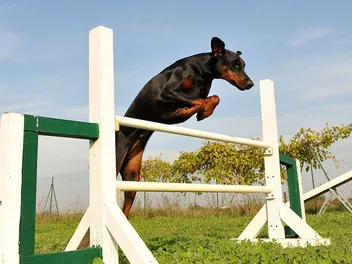
Agility training is a great way to provide your dog with both physical and mental exercise. It involves teaching your dog to navigate through a variety of obstacles such as tunnels, jumps, and weave poles. The activity requires coordination, focus, and quick thinking, making it both fun and challenging for your dog. Additionally, agility training can help improve your dog's overall health and well-being by promoting cardiovascular conditioning and muscle use. It's a great way to bond with your pet while providing them with the regular physical and mental stimulation they need to stay healthy and in shape – it's especially useful for young adults.
8. Find Solutions to Prevent Separation Anxiety
Separation anxiety is a behavioral condition reported in some dogs, including breeds that form strong attachments to their owners, such as Weimaraners. This condition occurs when the dog becomes distressed or anxious when separated from their owner or primary caregiver. In severe cases, separation anxiety can lead to destructive behavior such as chewing, digging, and howling. Fortunately, there are several strategies that can be used to address separation anxiety in Weimaraners. One effective approach is to gradually increase the amount of time that your dog spends alone. This can help them become accustomed to being separated from you and may help reduce their anxiety levels over time. Additionally, providing your dog with plenty of toys and safe enrichment items can help keep them occupied and distracted while you are away. A veterinarian can also give you some great advice on how to deal with your dog's separation anxiety.
9. Learn to Control a Weimaraner's Aggression
Aggression in Weimaraners can be a concerning issue and may arise due to various reasons such as anxiety, fear, pain, or territorial behavior. It's essential to recognize the signs of aggression in your dog and address them immediately. Aggressive behavior in Weimaraners may include growling, biting, snapping, or lunging towards people or other animals. Seeking the help of a professional dog trainer or behaviorist can assist in identifying the cause of the aggression and developing a suitable training plan for your Weimaraner. In some cases, consultation with a veterinarian may also be recommended to rule out medical or pain-related causes of behavior changes. Professional trainers can also provide guidance on how to manage and modify your dog's aggressive behavior effectively. Early intervention is important to help reduce the risk of aggressive behavior becoming a persistent behavioral problem.
10. Prevent Destructive Behavior
Weimaraners are known for their high energy levels and may show destructive behaviors such as chewing or digging, especially when their exercise and mental stimulation needs are not fully met. This behavior can often be caused by boredom or stress, which can be addressed through proper care and attention. One of the best ways to prevent destructive behavior in Weimaraners is to provide them with plenty of toys and mental stimulation. This can include puzzle toys, interactive games, agility training, and other activities that engage their minds and keep their busy minds occupied. Additionally, it's important to ensure that your dog gets plenty of exercise each day, as this can help reduce boredom and support healthy behavior patterns.


Common Mistakes to Avoid
Now let's talk about some of the most common mistakes that you'll want to avoid when training your Weimaraner.
Inconsistency in Training
One of the biggest mistakes that dog owners make when training their Weimaraner is being inconsistent. These dogs (like all canines) thrive on routine and predictability, so it's essential to establish a consistent training schedule and stick to it. So, if you skip training sessions or change up your routine too often, know that you'll confuse your dog and make it harder for them to learn.
Using Punishment-Based Training Methods
Another common mistake is using punishment-based training methods. These methods rely on scolding, hitting, placing a dog's nose in front of potty accidents, or other forms of punishment to correct a dog's behavior. Not only is this approach ineffective (and abusive), but it can also damage the relationship between you and your dog and create long-term behavioral problems.
Neglecting Socialization at a Young Age
Weimaraners are social dogs that require plenty of interaction with people and other dogs to thrive. Neglecting socialization while they're young may increase the risk of fear, anxiety, or defensive behaviors later in life, which can present issues for you socially (or when you have guests). It's so crucial to expose your dog to a variety of people, other animals (especially those in your home), and environments from a young age to help them get used to different surroundings.

Not Setting Clear Boundaries and Rules
These dogs will also benefit from structure and clear boundaries to feel secure and understand what's expected of them. Without clear rules and boundaries, your Weimaraner may become confused and develop undesirable behaviors, which can lead to behavioral problems. So be sure to teach your young doggy all the rules of the house early on and on a consistent basis through positive reinforcement.
Skipping Basic Obedience Training
Basic obedience training is highly recommended when it comes to these medium-sized dogs. It's essential for any dog, but it's especially important for Weimaraners. These dogs are intelligent and energetic, which means that they need plenty of mental stimulation to stay happy and to prevent behavior issues like them tearing up your furniture or using the bathroom anywhere in your home. Basic obedience training provides an excellent opportunity to challenge your dog's mind and teach them valuable skills that they'll use throughout their lives.
Overfeeding or Underfeeding During Training
Weimaraners have a tendency to gain weight, especially if they're not getting enough exercise every day. Overfeeding during training can lead to obesity (by use of treats), which can cause a range of health problems. On the other hand, feeding too little overall or providing insufficient food rewards during training can leave your dog feeling tired and unmotivated. So, it’s crucial to find the right balance and provide your dog with a healthy and balanced diet that meets their nutritional needs.

Rushing Through Training
Rushing through the training process is a common mistake that many dog owners make. Training takes time and patience, and it's important to go at your dog's pace and not push them too hard. Rushing through training can lead to frustration and burnout for both you and your dog, and may interfere with learning. Always take note of your dog's responses, behaviors, and general disposition before, during, and after training so that you can learn their personality and how to tweak your training accordingly.
Don't Forget About Toys
When it comes to training your Weimaraner, toys can be a valuable tool. These super-smart and active dogs require mental and physical stimulation, and toys can provide both. Incorporating toys into training sessions can make them more enjoyable for your dog, which can lead to increased focus and retention of commands. Toys can also be used as rewards for good behavior (instead of treats), such as sitting on command or coming when called. This positive reinforcement encourages your Weimaraner to repeat the desired behavior. But it's also important to choose toys that are safe and appropriate for your Weimaraner's size and "play style".

Conclusion
Training your Weimaraner can be fun and is worth the time and effort that it takes. Just be sure to be consistent, use positive reinforcement, and use appropriate reward systems until your dog gets the command or behavior down. With time and dedication, you can unleash the best in your Weimaraner and enjoy a lifelong bond with your dog.
See also:
Featured Image Credit: Frank J. Triguero, Shutterstock
Expert dog care, straight to your inbox
News, insights, expert advice, and everything dog.

No spam — unsubscribe anytime.
By signing up, you agree to our Terms & Conditions and Privacy & Cookies Policy.
How useful was this post?
Click a star to rate. You can leave written feedback afterwards. (We read all feedback.)
Nicole has loved animals of all sizes her whole life so it's no wonder she has dedicated her career to helping them through what she loves best: learning, writing, and sharing knowledge with others. She’s the proud mom of two dogs, a cat, and a human. With a degree in Education and 15+ years of writing experience, Nicole wants to help pet parents and pets around the planet to live happy, safe, and healthy lives.