How to Train a Leash-Reactive Dog: 12 Vet-Approved Tips

Taking the dog for a walk each day should be a fairly relaxing experience. You walk, you bond, your dog gets to sniff everything in sight; what could go wrong? Unfortunately, if you have a leash-reactive canine on your hands, daily walks turn overwhelming instead of being a peaceful bonding time. The good news is if you have a dog who is leash reactive, then there are techniques you can use to try to train them out of being that way. The better news is that we have several tips on how to train a leash-reactive dog below! Keep reading for a step-by-step guide on how to help your pup react to stimuli more positively while on a leash.

What Is Leash Reactivity?
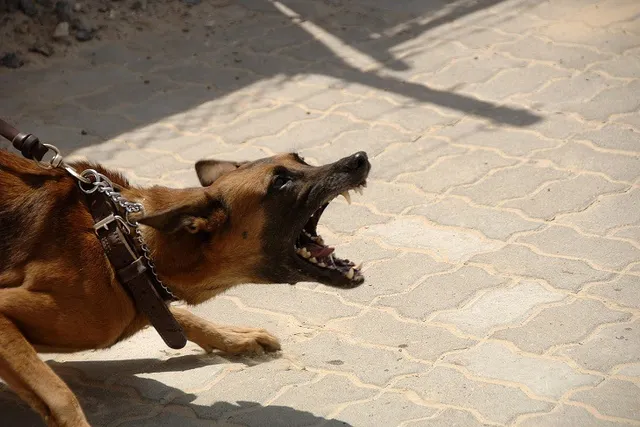
What exactly is leash reactivity? Well, the first thing to know is that it isn’t the same as aggression. If you have a dog engaging in aggressive behavior, they will do so on or off the leash. But if your pup is leash reactive, they will not be aggressive off-leash. Instead, they will be fine doing things like playing with other canines. Next, you should know that leash-reactive dogs usually aren’t angry (though their behavior may indicate they are ready to fight). These dogs are typically dealing with anxiety or fear, which causes them to engage in negative behaviors in an attempt to avoid whatever is frightening them. So, leash reactivity happens when your pet displays inappropriate behaviors while they’re leashed. These behaviors could include:
- Jumping at others
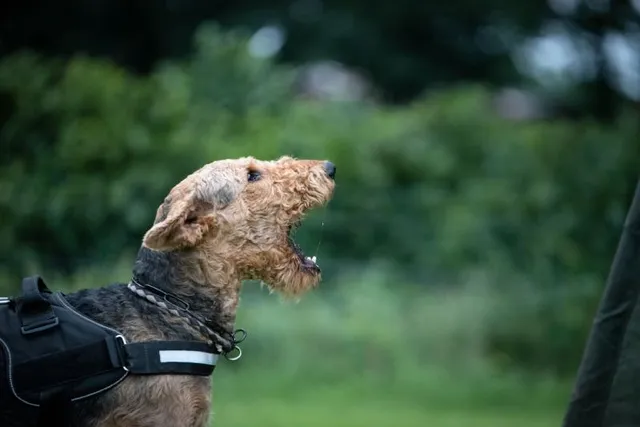
- Barking at others
- Growling at others
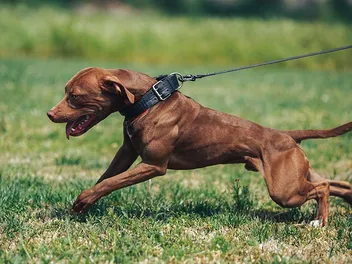
- Lunging at others

The 12 Tips on How to Train a Leash-Reactive Dog
Ready to help your favorite canine deal better with being on a leash? Here are some tips that will aid you in your quest to get them to stop being leash-reactive!
1. Identify What Triggers Your Dog
Before doing anything else, you need to determine what triggers your pup and frightens them. Once you have an idea of what the trigger is, you can move on to the next step.

2. Find Your Dog’s “Buffer Zone”
What is a buffer zone? It’s the distance at which your canine pal sees the trigger but doesn’t react to it. Why do you need to figure out what this distance is? Because if you end up too close to your dog’s trigger, they can easily tip over into reactive behavior, ensuring training won’t take.
3. Stay “Sub-Threshold”
What does sub-threshold mean? It means you need to stay under the point where your pet will react to a trigger. That means if you must cross the street or duck behind cars to keep the same distance from the trigger, that’s what you need to do.

4. Work on Catching Your Dog’s Attention
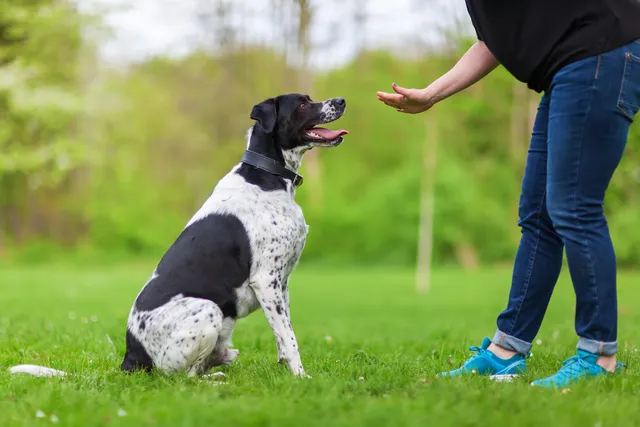
You can do this however you want, but commands like “look” or “heel” work well. Managing to catch your pup’s attention means you can redirect their attention to you no matter what environment they’re in. So, start at home where there are few distractions, then move somewhere where there are more distractions. With some time, your dog should learn to focus on you when you catch their attention.
5. Associate Triggers With Treats
The second your dog notices a trigger, give them a treat. The trick here, though, is to give them that treat before they react to the trigger. By doing this, your pet will begin to associate not reacting to the trigger with something positive (the treat).

6. Let Your Dog Take Their Time
Training a leash-reactive dog takes time, and you need to let your pet go at their own pace. So, if you’ve been consistently working, but your pup suddenly barks, growls, or lunges at a trigger, chances are you got too close before your pet was ready.
7. Manage the Environment as Best You Can at the Beginning of Training
While you’re training your dog, try to manage the environment around them while you’re out on walks. Admittedly, there’s only so much you can do, but there are some things you can do. Stay on the lookout for potential triggers; don’t go to areas where your pup could be cornered by a trigger; maintain a distance from triggers; don’t let other dogs or people come up to greet your pup; and if you live somewhere there are lots of other dogs, walk your pet in a less crowded area. Alternatively, you can try walking your pup in “off” times, so there are fewer potential triggers around.

8. Shorten the Distance Between Your Dog and Their Triggers
You don’t want to do this until your pup has begun associating triggers with treats, but once that happens, you can slowly try shortening the distance between your pet and their triggers. If you get closer and your dog refuses to look away from it or won’t take a treat, you may be going too fast for them.
9. Don’t Let Other Canines Approach Your Dog Head-on During Training
If a dog is coming your way head-on, make a wide arc and go around them to avoid potential reactivity while trying to keep your pet’s attention on you. If the other dog is reactive and barks or otherwise reacts to your pup, keep your dog focused on you and give them extra treats. However, stop the treats once the other dog has left the area. This will help your pet learn that other canines equal positive things!

10. Never Punish Your Pup!
Even if your dog lunges or barks at something, don’t use punishment with them. Just increase the distance from the trigger and get your dog to calm down. You can try getting closer again at another time once your dog is calm, just aim for a smaller distance this time.
11. Be Aware of How You Use Leashes
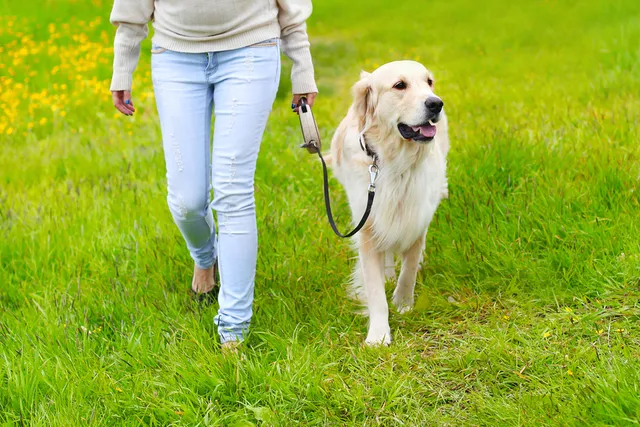
Don’t use a retractable leash, as there is the potential for injury. Also, don’t keep your dog’s leash tight; keep it loose instead. If a leash is too tight, it could signal to your pet that there is tension or stress, which could cause them to react negatively.

12. Think About Using Other Tools
If you’re having difficulty redirecting your pup’s focus, you might consider utilizing a head halter to help them refocus on you.
If you aren’t having luck training your dog, enlist the help of a professional. Training a leash-reactive dog is not easy. The main focus should be to teach you how to handle the leash and dogs, so, if you have not had any success with the listed tips, a veterinarian or professional trainer might be a better way to go.
Final Thoughts
If you have a leash-reactive dog on your hands, it can be an overwhelming experience. The good news is that you can train your pup to be less leash-reactive with the tips above. The process will take time (and loads of patience from you!), but it can be accomplished.
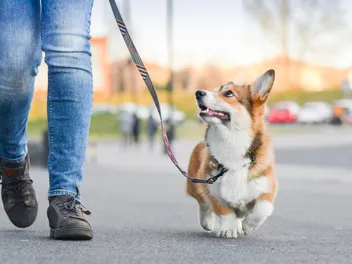
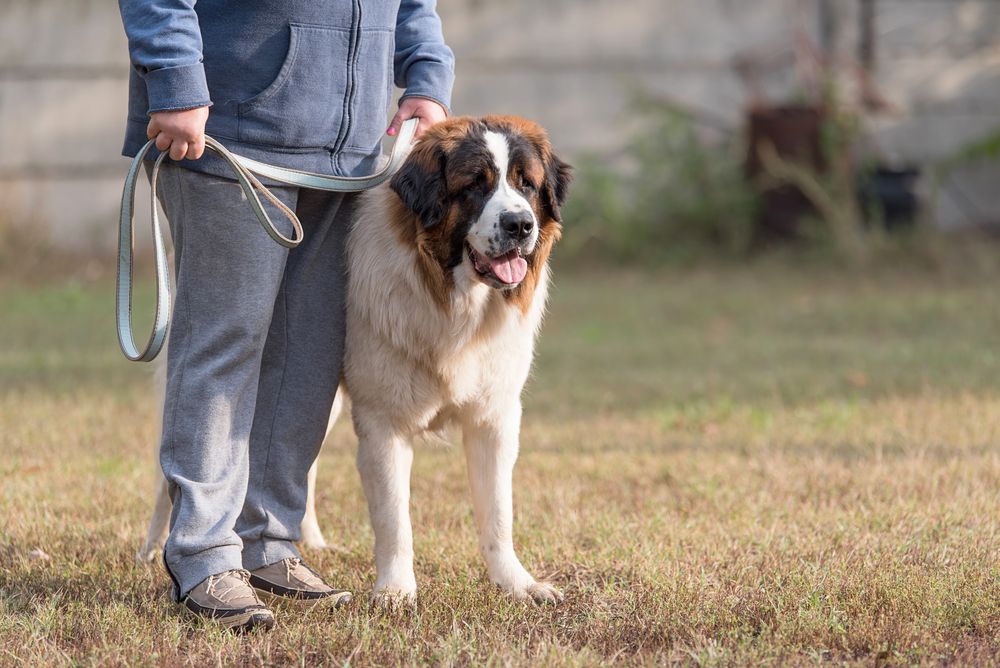
Featured Image Credit: SasaStock, Shutterstock
Expert dog care, straight to your inbox
Vet-reviewed advice, training tips, and the best of Dogster. Free, and you can unsubscribe anytime.
By signing up, you agree to our Terms & Conditions and Privacy & Cookies Policy.
Misty Layne lives out in the woods in small-town Alabama with her two Siamese - Serafina & Jasper. She also has an array of stray cats, raccoons, and opossums who like to call her front porch home. When she’s not writing about animals, you’ll find her writing poetry, stories, and film reviews (the animals are, by far, her favorite writing topic, though!). In her free time, Misty enjoys chilling with her cats, playing piano, watching indie and foreign films, photographing abandoned places, and catching up on her never-ending TBR list.
Join the conversation
Ask a question, share your story, or send private feedback.