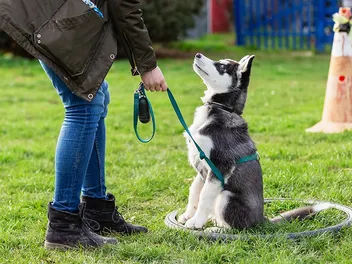
My Dog Is Scared of the Leash, What Should I Do? 5 Vet-Approved Tips


In this article
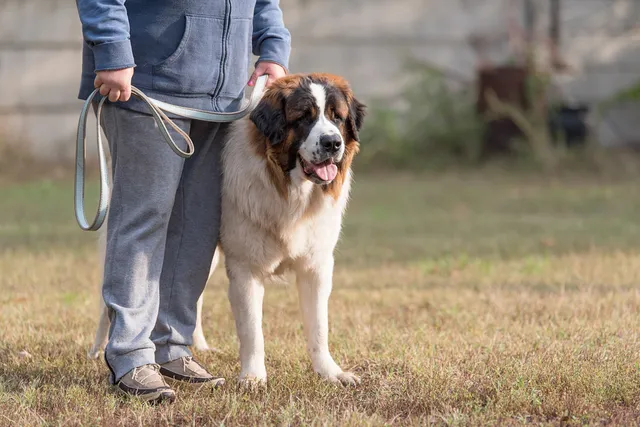
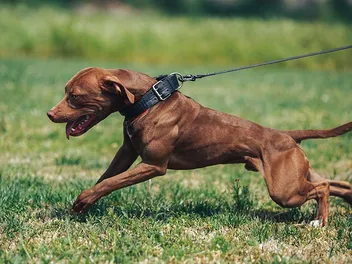
Even though people using collars, harnesses, and leashes go back thousands of years, dogs might still fight being on a lead and may even be afraid of them. It may seem unnatural to an animal that likes to run. After all, a leash is confining. Instinct may kick in, causing the pup to feel vulnerable and, thus, fearful. That may cause your pooch to cower whenever they see the lead.
That’s a problem since you must be able to control your pet at all times. It can be imperative for everyone's safety, including yours, your dog’s, and your neighbors’. Remember that a traumatic experience may have caused this fear. Therefore, you should proceed slowly and patiently to turn something negative into something positive. Fortunately, you have a secret weapon...treats.

The 5 Tips to Train Your Dog to Not Be Scared of the Leash
1. Try to Understand Where Your Dog is Coming From
One big question to answer is why your dog is scared of the leash in the first place. If they have minimal experience with a leash the unfamiliar could be scary for them. Have you or someone else used a prong collar or another aversive device on your dog while they are on the leash, leading to them being scared? Do they have a phobia of people or other dogs that leads them to not enjoy their walks? They might only have negative associations around vet visits and grooming when the leash is used. If the answer is not obvious, you should schedule a veterinary check-up. If your dog has any pain or discomfort when walking, they may fear the leash. If your dog has severe phobias veterinary medications can also help them cope. Once you have got the all-clear healthwise you can start training your dog.

2. Have Your Dog Inspect the Leash on Their Own
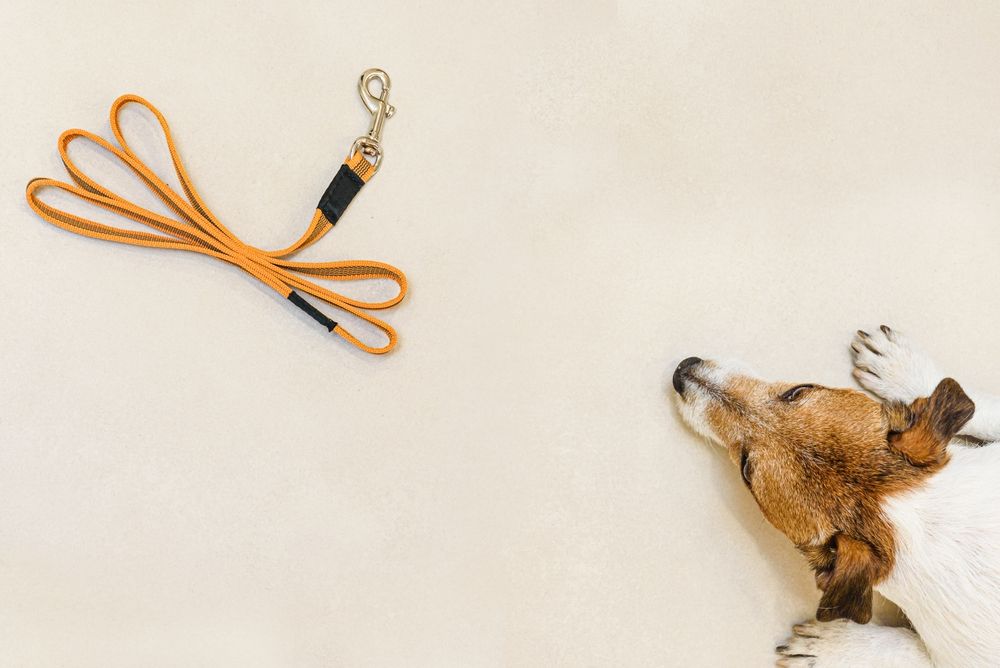
Let your dog inspect the leash on the ground or floor in a quiet place. You can simply leave it out, and whenever they approach it, give them a treat to help them associate it with something positive. Once they’ve grown to be more comfortable around the leash, you can start by trying to attach it to their collar.
3. Attach the Leash to Their Collar
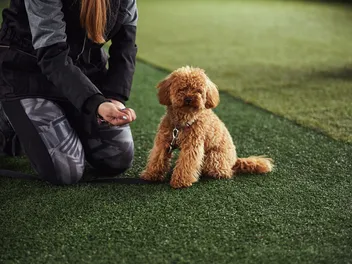
Start by attaching the leash to the collar and then immediately removing it, followed by offering a treat. When they are comfortable with this action, you can then attach the leash to your pooch’s collar and let them drag it around the room, offering them treats if they act calm around it. Just make sure the leash can’t pick up anything that will spook them for example, a noisy plastic bag. Don’t forget to offer lots of verbal praise and a few pets too!

4. Walk Around Your House With the Leash Attached
Now you can pick up the end of the lead, again rewarding your dog.
5. Go to New Places
If they start to feel comfortable moving around in the confines of your home, you can start to take your pet to fun places to create more positive associations. However, you might want to work your way up to this and start with shorter walks around the neighborhood.
Note that you should limit treats to training aids to get the most value out of using them, and be especially careful not to overfeed them, as too many calories can lead to problems like obesity.
Frequently Asked Questions
Do I Have to Get My Dog Used to a Leash?
Yes. While not every state has leash laws, the chances are your local dog parks and vets require them. We suggest checking with the establishment regarding their rules and policies. Some places have limits on the length and may not allow retractable leashes.
What Is the Best Kind of Leash?
A 6-foot leash made of durable material is an excellent choice for an all-purpose lead, as it is long enough to give your pup room to maneuver but also keeps you in control.
You may be interested in: 10 Best Dog Leashes – Reviews & Top Picks
Will Taking My Dog to a Store on Their Leash Help?
Maybe, if your dog loves meeting people. Being in the store can provide a welcome distraction to the leash. Again, the positive reinforcement could prove valuable. However, only do this once you’ve completed the training steps from above.

What Do I Do if My Dog Starts Pulling on the Leash?
Stop moving and don’t reinforce the behavior by taking them where they want to go while they are pulling. You can review your lessons for teaching your dog to heel with rewards for staying by your side to fine-tune their leash manners. We recommend dealing with this issue promptly so it doesn’t become a problem.
What Else Do I Need to Know?
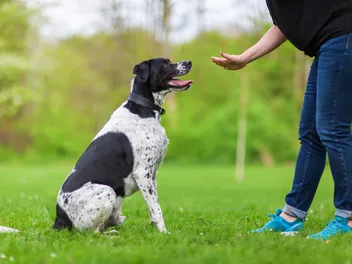
Positive reinforcement is the best approach, particularly if your pup is reacting because of a negative experience. Never scold your dog for fearing the leash, as that could hinder your progress and damage the bond and trust between you two.
Final Thoughts
Dealing with a fearful pet is challenging. It requires persistence and patience to sever and replace these negative associations with something positive. You may have to correct underlying phobias or health problems. Remember that it isn’t impossible, though. Rewarding your pup for their acceptance and good behavior can go a long way toward making it more manageable for you and your dog.
Sources
Featured Image Credit: alexei_tm, Shutterstock
Expert dog care, straight to your inbox
News, insights, expert advice, and everything dog.

No spam — unsubscribe anytime.
By signing up, you agree to our Terms & Conditions and Privacy & Cookies Policy.
How useful was this post?
Click a star to rate. You can leave written feedback afterwards. (We read all feedback.)
Since 2009, Chris has written on a variety of topics. Her motto with all of her writing is “science-based writing nurtured by education and critical thinking.” She specializes in scientific topics, with a special love for health and environmental topics, and of course, pets of all shapes and sizes.
Chris lives happily with her husband and three cats in the land of 10,000 lakes, writing, wining, and boating as much as she can. She and her husband, Norm, were awarded the State of Kentucky Colonel Honor for their restoration work at Mammoth Cave National Park.