Dog Lunges at Other Dogs: 6 Vet-Approved Ways to Stop It


In this article
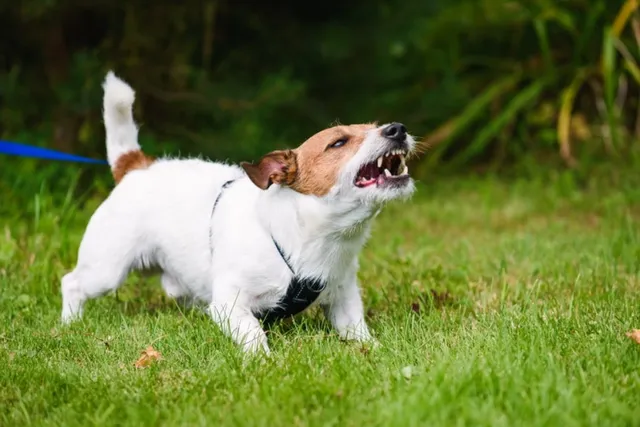
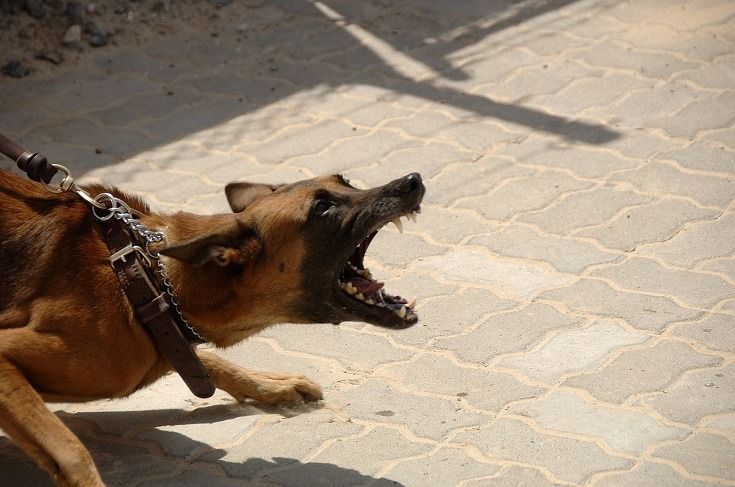
Good manners in public can make any dog owner proud, but habits like lunging at other dogs won’t give you much confidence in your daily walk. A lunging dog is as embarrassing for owners as it is uncomfortable for those around them. It’s also disheartening, making general socialization seem unmanageable in some cases and putting owners at a loss for how to help their dogs get along with others.
Although challenges like these can take time to resolve, the process is relatively straightforward. Every dog has hope, and while some may need professional help to overcome their reactivity, you can make enormous strides starting today at home. Let's discuss the best strategies to help your dog stop lunging and learn to play nice with other dogs.

Why Does My Dog Lunge at Other Dogs?
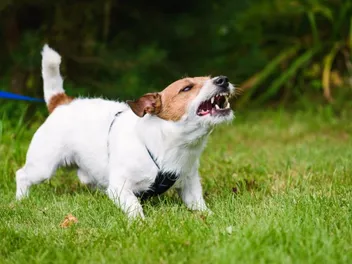
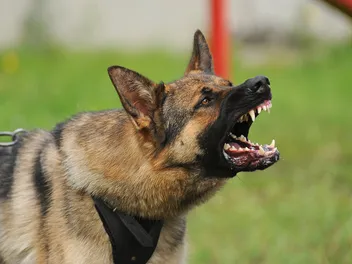
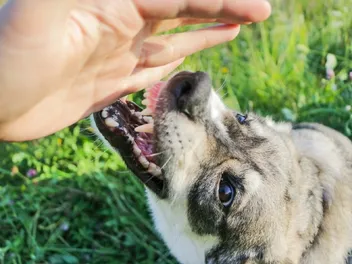
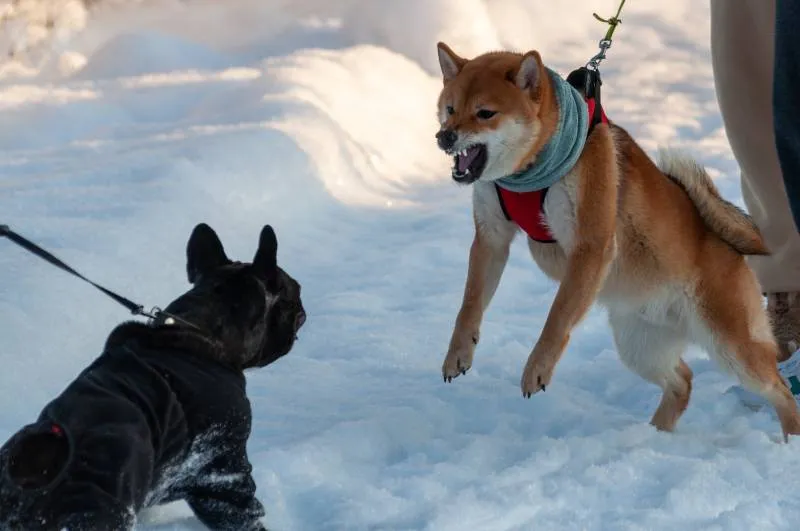
A dog lunging at another dog can seem aggressive, but it typically means they’re uncertain and afraid. Being on a leash can add to their stress, forcing them to feel like lunging is their best way of telling the other animal to back off and go away. Another less likely yet common reason for lunging is that your dog is excited and wants to play with the other dog.
Although your dog may have friendlier intentions, you don’t want to let them approach the other dog in an over-excited manner. You’ll encourage undesirable on-leash behavior, and your dog’s intensity can cause fear and conflict with the other dog, setting them up for a bad interaction.
The 6 Ways to Stop Your Dog From Lunging at Other Dogs
The opposing motivations of fear and excitement can make eliminating your dog’s lunging seem confusing, and the rewards behind each emotion in a social situation are different. Thankfully, the general principles for calming your dog in both circumstances are similar. Here’s how you can stop your dog from lunging at other dogs.
1. Teach Basic Commands
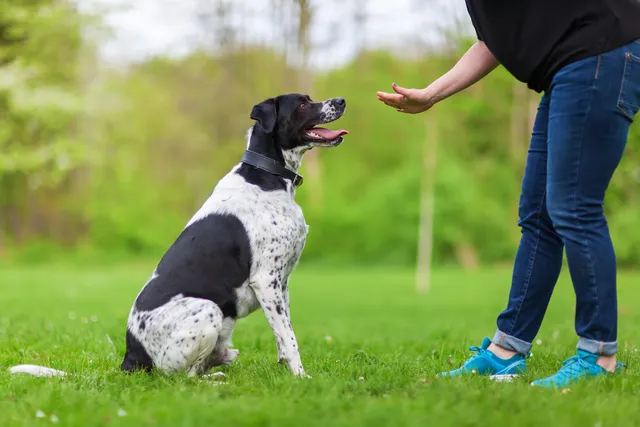
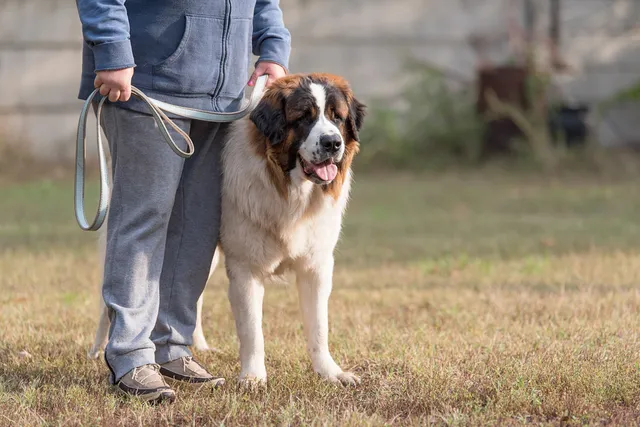
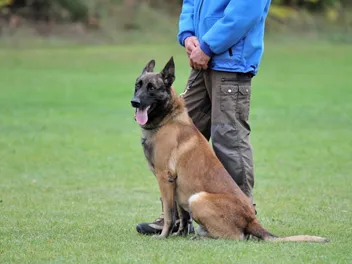
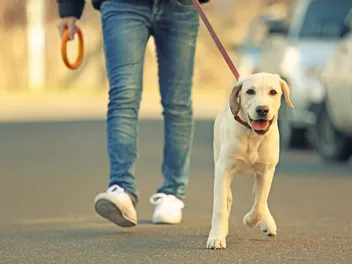
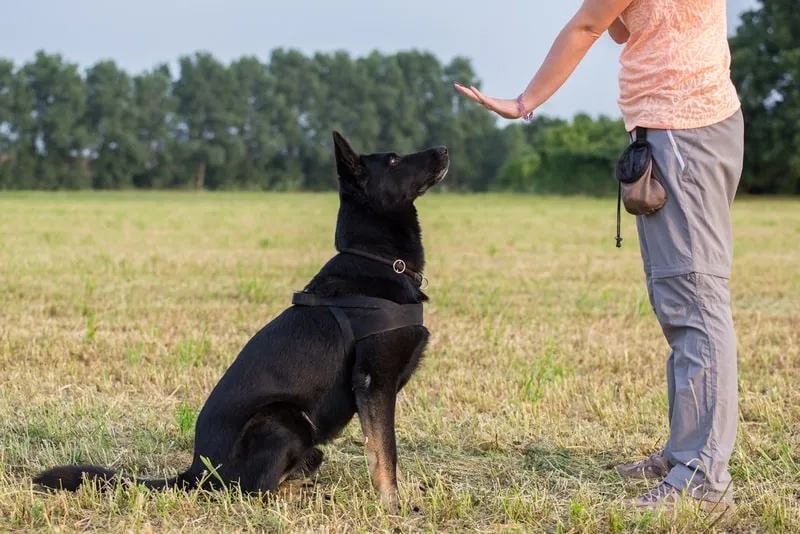
In real-world situations, training your dog to stay relaxed around other dogs begins with a basic command, like “sit” and “stay.” If you’re training your dog not to lunge at other dogs while on a walk, they’ll need to learn essentials like “heel,” which means that the dog should walk in close contact with your legs.
Nailing these commands at home before working on lunging will give your dog a solid foundation to understand them. It will also help your dog develop patience and appreciation for your training sessions.
2. Change the Response
Desensitizing your dog to other dogs in public is easiest through counterconditioning. You want to change your dog’s fear and negative association with other dogs to a positive feeling so the leash reactivity diminishes. Your dog must learn that other dogs are not a threat, and they will see better outcomes if they stay calm around them.
When training your dog in a park or on a walk, put them in a sit or stay position when another dog approaches. Refocus your dog’s attention on you and reward them with a treat. Do not reward your dog unless they are calm and following your command.
3. Use a High-Value Treat
When your dog lunges at other dogs, they’re pursuing a reward of playtime with the other dog or are being reinforced by making them retreat. Training a simple command in the home like “sit” is relatively easy, as your dog has the option of either a treat or nothing.
Since you’re competing with another potential reward to get your dog to stop lunging, you must make yours more attractive. You can give them an extra-valuable reward, like a high-quality moist and meaty treat or piece of cheese, to keep them motivated. The secret is to learn what a “high-quality” treat is in your dog’s terms and then to keep those super-special reinforcements exclusively for remaining calm in the presence of other dogs. This will send a clear message to them.

4. Stay Outside Your Dog’s Tolerance Threshold
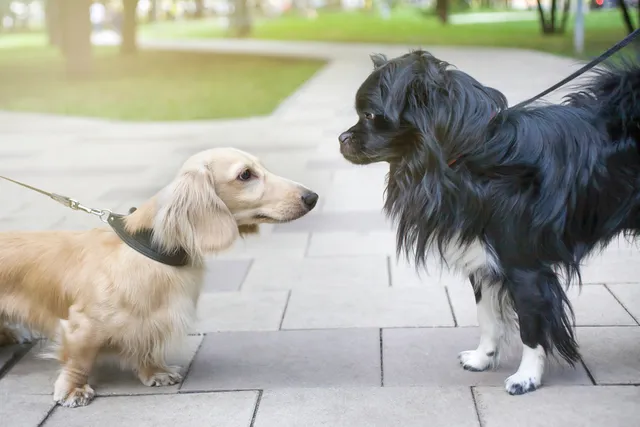
To change the response, you must identify your dog’s response threshold. Dogs have two thresholds or distances from stimuli to consider. The orientation threshold is the distance at which your dog becomes interested in the stimulus, while the response threshold is where they will react and lunge at it.
Training must occur between the two lines. Although your dog should be close enough to notice the other dog, they should be far enough away that they don’t react. Your dog should have a chance to succeed, see the fruits of their success, and understand that the other dog’s presence isn’t threatening and that lunging and barking isn’t more rewarding than staying calm.
As you train your dog to relax, the response threshold will shorten, and you can get closer to other dogs without your dog lunging. Pay attention to early signs that you’re approaching your dog’s threshold, like yawning, lip-licking, and intense focus on the other dog. If you see the other dog about to cross that threshold, turn and calmly walk your dog in the other direction.
5. Control the Environment
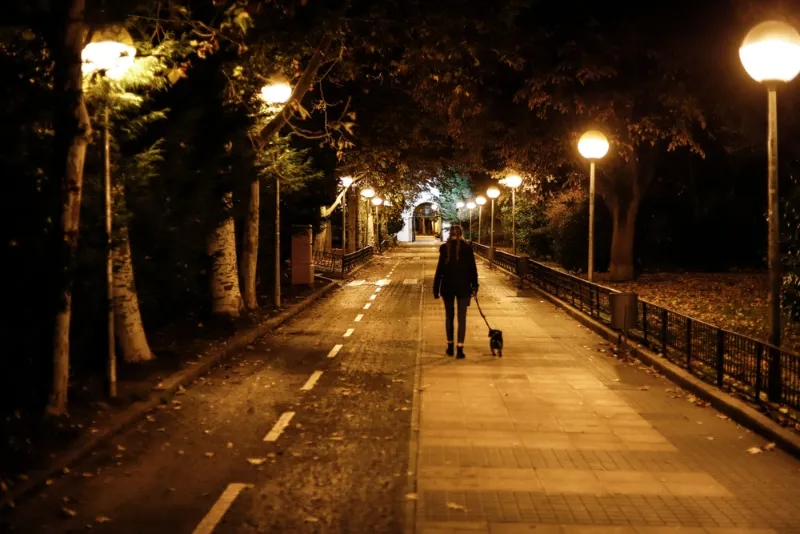
Starting slow and progressing deliberately will keep your dog from facing too many situations where they might lunge. You must be able to manage the situation. Start exposing your dog to other dogs and people from a controlled distance, such as from your porch looking out at the street or a certain distance from a walking path.
Walk your dog at odd hours when there is less foot traffic on your street, and you will be less likely to encounter too many people or dogs.
6. Stay Calm and in Control
Keeping your dog calm is easier when you stay calm, and harsh corrections can irritate an aroused dog even more. Maintaining an even tone, praising your dog for good behavior, and firmly redirecting them when needed is best.
Nurturing mutual respect will make fearful and impulsive actions like lunging easier to stop. Treats will keep your dog’s focus and build a habit of staying calm around other dogs, but the overall dynamic between you should encourage them to look to you for leadership.
Training extends beyond teaching your dog to stop lunging. Obedience training and exercise in the home are foundational, but you must also teach your dog to be patient. Teach them to look for your direction, like having them wait before they exit their crate or sit at the door before you let them leave for your walk. Making strategies like these commonplace will reinforce your place as the leader and make you and your dog more confident in public.
Conclusion
Slow and steady wins the race. You can set your dog up for success by being patient as they learn to trust you and stay relaxed around other dogs. It’s also vital to remain positive and consistent. If you treat training as playtime and a bonding opportunity, you’ll find fulfillment in every step of the process.
Featured Image Credit: skeeze, Pixabay
Expert dog care, straight to your inbox
News, insights, expert advice, and everything dog.

No spam — unsubscribe anytime.
By signing up, you agree to our Terms & Conditions and Privacy & Cookies Policy.
How useful was this post?
Click a star to rate. You can leave written feedback afterwards. (We read all feedback.)
Nicole has loved animals of all sizes her whole life so it's no wonder she has dedicated her career to helping them through what she loves best: learning, writing, and sharing knowledge with others. She’s the proud mom of two dogs, a cat, and a human. With a degree in Education and 15+ years of writing experience, Nicole wants to help pet parents and pets around the planet to live happy, safe, and healthy lives.