How to Stop a Dog From Pulling While Walking: 8 Vet-Approved Tips


In this article
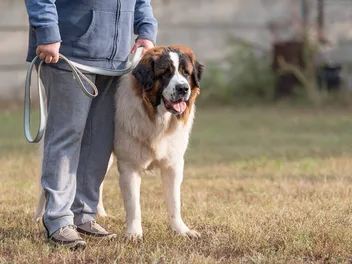
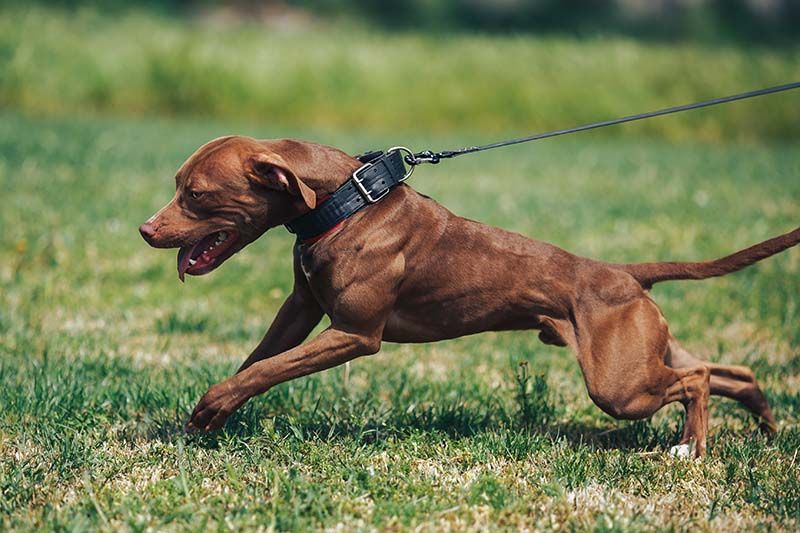
Keeping your dog on a leash is important for safety. If your dog is loose in public, they can get into a fight with another dog, run into oncoming traffic, or chase an animal and get lost. However, walking on a leash doesn’t come naturally to dogs, so they may pull you around to get where they’re going.
Fortunately, there are simple techniques for teaching your dog appropriate leash behavior, which can be safer and more pleasant for both of you. Here are eight tips for teaching your dog to walk nicely on a leash.

The 8 Tips for Stopping a Dog from Pulling While Walking
1. Don’t Reward Pulling by Walking
Dogs pull to continue walking and get to whatever interests them, whether that’s exciting new smells, other dogs, or wildlife. However, if you continue to walk when your dog is pulling, you’re inadvertently teaching them that pulling gets them what they want. Dogs learn new behaviors—good and bad—through repetition.
If your dog pulls, stop and stand still. Don’t start walking forward until your dog either returns to your side or lets the leash go slack. Directional changes in the early stages of training can also help. Taking different routes and random turns can help keep your dog interested in what you’re doing.

2. Only Walk on a Loose Leash
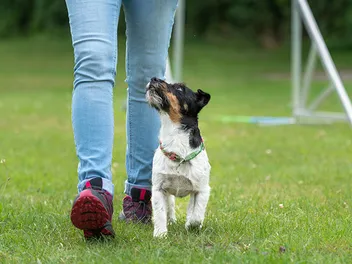
As mentioned, don’t continue to walk when your dog is pulling. You’ll only get more pulling. Once you stop, wait until your dog has a slack leash with no tension and turns their attention back to you. This teaches your dog that walking next to you on a loose lead means they get to move forward and pulling means they don’t. This may take time and repetition, but your dog should pick it up if you’re consistent.
3. Reward the Desired Behavior
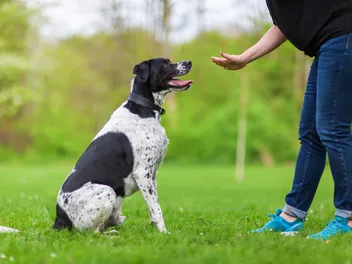
You shouldn’t reinforce pulling, but make sure to reinforce the behavior you want—loose-leash walking. Dogs are highly motivated by rewards, which can be treats, praise, or in this case, an opportunity to keep walking and exploring.
Whenever your dog is walking politely, give them a reward. If your dog is food motivated, keep a waist pack filled with training treats. Offer them generously every time your dog is walking appropriately. As your dog gets used to the new expectations, you can reduce the use of treats and replace them with verbal praise or sniff breaks.

4. Walk at the Appropriate Pace
People walk at different speeds, many of which are too slow for dogs. They’re excited to be out and about, so if you’re taking your time, you’re keeping them from seeing all the fun around them. To keep your dog engaged and reduce the need to pull, walk at a brisk pace that’s more comfortable for both of you.
5. Stay Consistent
Training your dog requires consistency, but life sometimes gets in the way. If it’s cold out, late at night, or you’re in a rush to get to work, it may be tempting to allow your dog to pull to get the walk over with. Unfortunately, this is a good way to undo all your previous training.
If you’re in a rush and you’re still in the middle of your training, try to limit your dog to a small area just to do their business. Work on longer walks when you have time to focus on training and give them an opportunity to explore.

6. Don’t Overdo It
It’s best to train when you have time to stay consistent, but that doesn’t mean training should be a marathon session. It can be frustrating for you and your dog to relearn how to walk politely, especially if you have an excitable and determined puller.
Keep your training sessions short and positive in the beginning, ending on a good note. As your dog learns and develops more patience, you can work on longer walks.
7. Keep Your Emotions in Check
Training a dog can test your patience on its own but walks also bring opportunities for high-stress situations like other dogs approaching or seeing friends along the way. Whether the situation is scary or exciting, it’s important to control your emotions. If you get frustrated, anxious, or fearful, you can intensify those emotions in your dog.

8. Let the Walks Be About Your Dog
Walks can be about your dog doing their business, but it shouldn’t be just about that. A walk is an opportunity for enrichment for your dog, giving them physical exercise and mental stimulation, like sniffing all the scents around them and seeing new things.
Part of training your dog to walk politely is teaching them when they have the space to sniff and explore and when they need to walk forward. Incorporating these rewards along the walk (only when your dog is walking on a loose leash!) is a way to offer a reward for good behavior and make the walk about them.

How NOT to Leash Train Your Dog
Pulling on a leash is a common problem for dog owners, particularly with big, strong breeds. There are numerous tools on the market to prevent pulling on the leash, but they often use aversive methods.
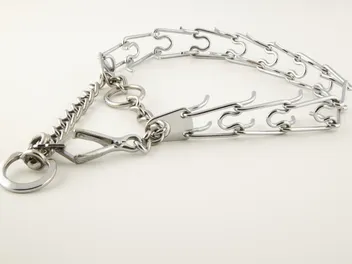
Here are some leash tools to avoid:
If you need more control while you work on leash training, choose a well-fitted H- or Y-shaped harness or a thick, flat collar with a leash 15’–50’ in length. A second slip lead can be good to prevent your dog from slipping out of the collar and running loose, but it’s important to make sure your dog doesn’t pull too hard and strangle themselves.
Another option is head collars that go around your dog’s nose and ears, but they require additional training. You have to be careful about choosing a head collar that’s properly fitted and comfortable.
It may take time to get your dog used to using a head collar before you can work on leash training. Make sure you use a second lead connected to another collar, which acts as a safety backup to prevent your dog from injuring their neck if they pull sharply.

Conclusion
Pulling on the leash is a common problem for dogs of all ages and sizes. It’s a fairly simple fix, but it takes time and consistency to teach your dog how to walk politely and stop dragging you around. Avoid “quick fixes” like choke collars and prong collars that get the job done using pain or pressure. Aside from the risks, these tools also take the fun and enrichment out of the dog’s walk.
See also:
Sources
Featured Image Credit: Brezhneva.od, Shutterstock
Expert dog care, straight to your inbox
News, insights, expert advice, and everything dog.

No spam — unsubscribe anytime.
By signing up, you agree to our Terms & Conditions and Privacy & Cookies Policy.
How useful was this post?
Click a star to rate. You can leave written feedback afterwards. (We read all feedback.)
Nicole has loved animals of all sizes her whole life so it's no wonder she has dedicated her career to helping them through what she loves best: learning, writing, and sharing knowledge with others. She’s the proud mom of two dogs, a cat, and a human. With a degree in Education and 15+ years of writing experience, Nicole wants to help pet parents and pets around the planet to live happy, safe, and healthy lives.