How to Help a Dog With Leash Manners: 10 Vet-Verified Tips


When you take your dog out for a walk, are you constantly pulling them back on the leash or apologizing for their behavior? With proper training using positive reinforcement and consistency, you can significantly improve leash manners. But simply saying you can train them and learning how to train them are two completely different things, which is why we came up with this guide that breaks down everything you need to know about leash training your pet. From the supplies you need to the dos and don’ts, we’ve highlighted all the basics for you below.

What You Need
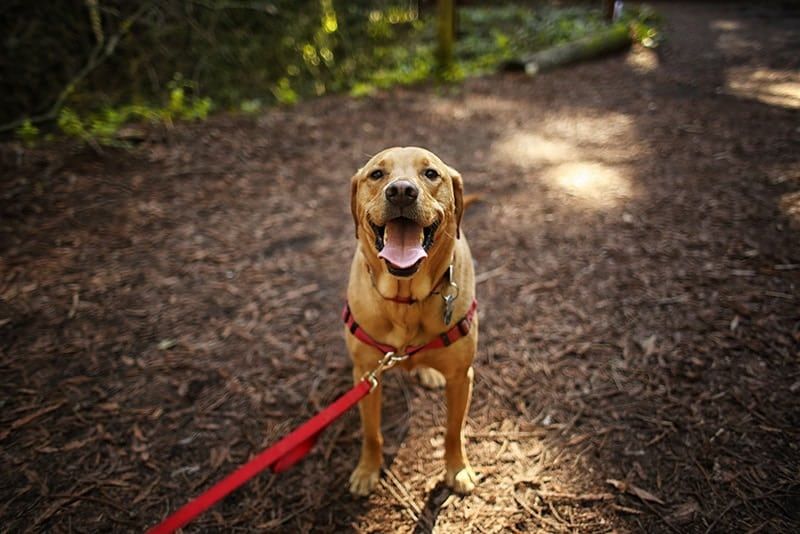
The last thing you want is to try to leash train your dog with the wrong supplies and run into problem after problem. Start by getting a high-quality dog harness that properly fits your pet.
You don’t want to go for a collar that puts pressure directly on the neck (such as slip, choke, or prong collars), as these can be unpleasant for your dog and may increase discomfort, stress, or the risk of neck injury. Instead, a harness is probably your best bet. Next, get a quality 6-foot leash. Don’t get a retractable leash or one that’s longer than 6 feet, or else it can encourage your pup to wander further away from you than you’d like and make you lose control.
Finally, get some great training treats and some waste bags to clean up while on your walks. When selecting treats, find something your dog enjoys and only give it to them during these training sessions.
The 10 Tips for Leash Training a Dog
1. Start in a Quiet Space
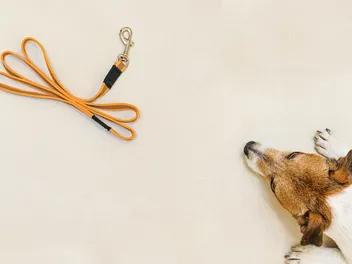
When you’re first trying to leash train your dog, you want to keep things as simple as possible for them, and you can start by limiting the number of distractions. Don’t start leash training them outside. Instead, put them on a leash in a quiet room or space and give them time to calm down with the leash on.
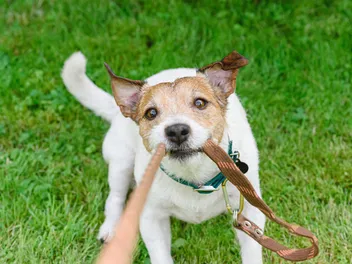
This is especially true if your dog already associates the leash with walks and becomes overly excited or aroused when they see it. Let them calm down with the leash on before you even take a step outside, and reward calm behavior to help create a relaxed association.

2. Use Treats
Dogs love attention, but when you’re trying to get them to listen, having a little extra motivation is always a good idea. Find some of their absolute favorite treats and then only give them these treats during leash training to help keep them motivated. Any time they do something you like, reward them immediately to let them clearly associate the reward with the desired behavior.
3. Stay Still
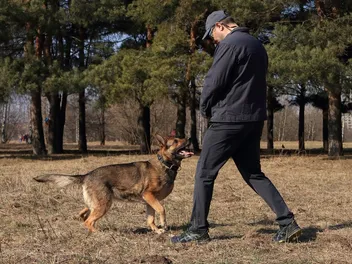
When you’re trying to leash train your dog, start by putting them on a leash and staying still! You want your dog to understand that they move when you move, and that starts with teaching them that when you’re not moving, they should remain calmly near you.

4. Slowly Extend the Time Spent Walking
You can’t go from a quiet room to a long walk overnight. Start with a short walk, perhaps to the end of the road and back, and slowly extend the distance or duration if your dog is listening. If they’re not listening, pause, reduce distractions, or shorten the session rather than continuing when they are overwhelmed. You can try again tomorrow.
5. Stop Walking When They Pull
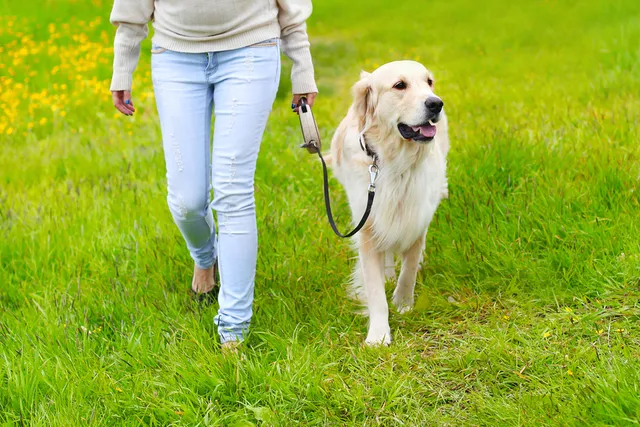
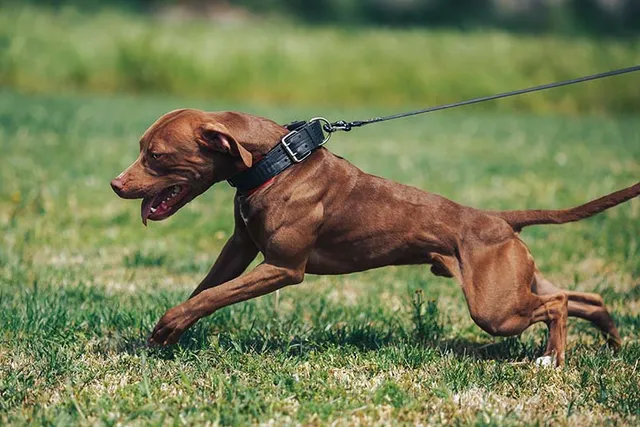
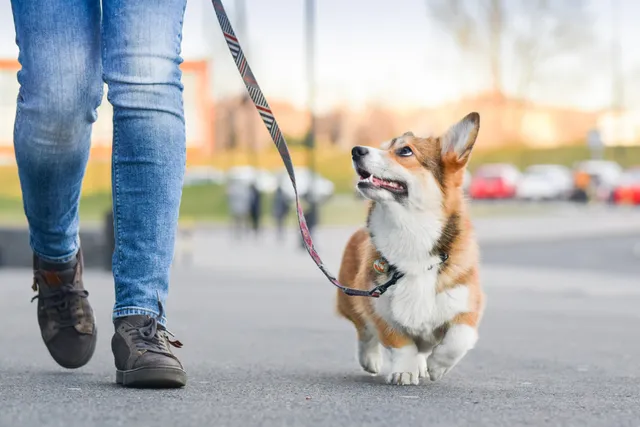
If at any point your dog starts to pull on the leash during the walk, stop moving. Don’t pull at the leash and yank them back, and don’t engage with them until they settle back down and stop pulling. It can be a bit frustrating, but it’s by far the most effective method. They need to learn that loose-leash walking allows forward movement, while pulling pauses the walk.

6. Don’t Be Afraid to End Walks
If your dog simply isn’t able to focus or is becoming overly aroused or stressed throughout the walk, don’t be afraid to take them back home! Your pet enjoys their walks, and ending the walk early helps prevent rehearsal of pulling or overexcited behavior and supports better learning during future sessions.
7. Mix Up When You Offer Treats
While treats are a great motivator, you want to move away from them once they start to learn what to do. Start offering treats less and less so your pup doesn’t come to expect them all the time, and begin using intermittent reinforcement along with praise, movement, or other rewards. Before long, they’ll start to listen with expectation of a surprise because occasional primary reinforcement helps maintain reliable behavior.

8. Don’t Use Retractable Leashes
Retractable leashes are common, but they’re not recommended for leash training. They keep the leash under constant tension, which can encourage pulling and make consistent loose-leash training more difficult. They can also be dangerous because once a dog reaches the end of the length, the sudden stop may increase the risk of neck injury or soft tissue strain, and the thin cord can cause injuries to people or pets if it wraps around skin or limbs.
9. Find New Places to Go
Your dog gets comfortable with routine, but if you really want them to behave well in new and unique situations, you need to introduce them to unfamiliar terrain and smells. Find new places to walk to and allow them to show off their new skills.
If you keep things too simple, then they won’t know what to do when new situations arise, so introduce new places progressively while keeping the experience positive and manageable.

10. Avoid Routes That Could Cause Commotion
If you’re on a new route and one of the houses has a dog outside without a leash, then it could lead to a potentially dangerous situation. If you can avoid these situations, it’s best for both you and your dog, especially while they are still learning and building confidence with leash skills.
Final Thoughts
While your pup might embarrass you in public when they’re on a leash now, if you follow the tips we’ve highlighted, you’ll have a well-behaved pooch over time. It’s a bit of work for sure, but when they’re finally getting the hang of things, you’ll feel a sense of pride and know that all the hard work was worth it.
Sources
Featured Image Credit: N K, Shutterstock
Expert dog care, straight to your inbox
News, insights, expert advice, and everything dog.

No spam — unsubscribe anytime.
By signing up, you agree to our Terms & Conditions and Privacy & Cookies Policy.
How useful was this post?
Click a star to rate. You can leave written feedback afterwards. (We read all feedback.)
Adam is a professional freelance writer and animal enthusiast who has rescued countless animals throughout the years. He's been a freelance writer for ten years and has been rescuing animals for even longer! Adam is also a proud father of three kids and is always up for a challenge and adventure!