Prozac for Dogs: Our Vet Discusses Safety, Dosage & Side Effects


In this article
Prozac is a common antidepressant used in humans. It can help reduce anxiety, obsession, and depression in people. However, Prozac can also be prescribed to our canine companions to treat separation anxiety, and “off-label” use has been implemented for the treatment of aggression and compulsive disorders. Continue reading more about this medication and how it is safely used in canine companions.

What Is Prozac?
Prozac, or fluoxetine, is a selective serotonin uptake inhibitor that acts as an antidepressant. SSRIs increase the amount of serotonin in the brain. Serotonin is important, as it is a neurotransmitter responsible for communication between brain nerve cells, or neurons. A deficiency in serotonin is thought to be a common cause of depression, and serotonin is associated with reducing aggression and elevating moods.
In dogs, Prozac may be prescribed to counter aggression, obsessive behaviors, and anxiety. It is important to note that behavior modifications with concurrent use of SSRIs are more likely to yield desired results than with just SSRI use alone.
It can take 4 to 6 weeks of fluoxetine administration before owners can notice a change in their dogs.
Note that a veterinary version of Prozac is available called Reconcile.

How Is Prozac Given?
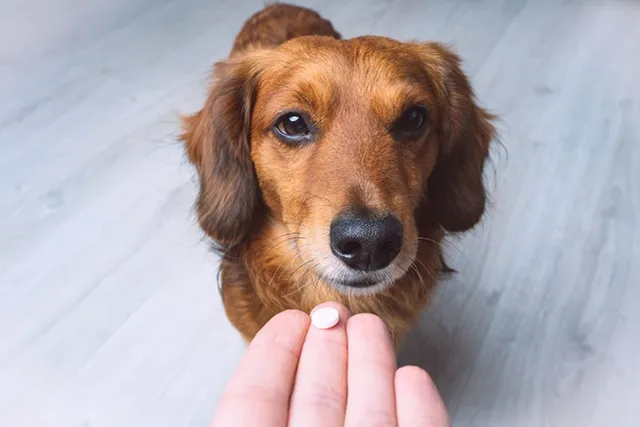
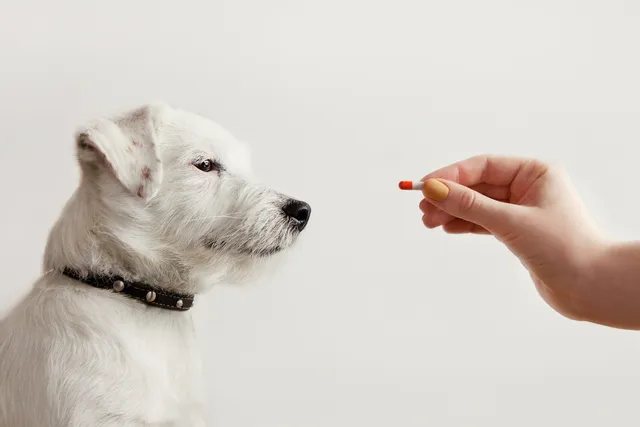
Fluoxetine is typically administered orally and is commonly available as a tablet, capsule, or liquid suspension. Some animals may be difficult to orally medicate, and in some cases, a compounded version may be preferable, which may be available to give transdermal.
Prozac is typically administered once daily. Drug doses vary based on the underlying condition being treated.
Prozac should never be discontinued without speaking first with your pet’s veterinarian. It is critical that SSRIs not be abruptly discontinued, as this could lead to behavior concerns and physical signs of illness in your pet. If you want to wean your pet off Prozac, a tapering schedule will be recommended.
What Happens if You Miss a Dose?
It is important to not double up on a missed dose. If you realize that a dose has been missed, take it as soon as you remember, unless it is close to the time in which the next dose is due.
Furthermore, if the medication is taken late, ensure the next dose is administered as close to 24 hours later as possible.

Potential Side Effects of Fluoxetine
Possible Drug Interaction
Caution should be used in patients receiving fluoxetine concurrently with NSAIDs. This combination can increase the likelihood of bleeding.
Care should be taken to avoid fluoxetine administration with other SSRI medication or other antidepressants. SSRI administration with other drugs or food that cause elevated levels of serotonin could result in serotonin syndrome. Serotonin syndrome is a condition in which levels of serotonin become very elevated resulting in vomiting, diarrhea, agitation, tremors, and seizures. Unfortunately, serotonin syndrome can occur after an accidental overdose and can be life-threatening. Treatment for serotonin syndrome varies.

Possible Contraindications to Fluoxetine Administration
Before beginning any medications, it is important to review with your veterinarian any health conditions, supplements, or medications your dog has, as fluoxetine may not be safe for every pet.
Fluoxetine should be used with caution:

Frequently Asked Questions (FAQ)
My Dog Is Anxious Every Time I Leave the House; Is Prozac an Option?
Prozac could be an option for your pet. However, it is important to note that medication in conjunction with behavior modifications is more likely to yield better results.
Can I Expect to See Changes in My Dog Right After Starting the Medication?
For some pets, improvements are not noted until 4 to 6 weeks after starting the medication.
Does My Veterinarian Need to Provide a Prescription for Prozac?
Yes, a prescription is needed before your dog can be started on fluoxetine.
Final Thoughts
Fluoxetine is available as Prozac and the veterinary-only formula Reconcile. Fluoxetine can be beneficial in patients suffering from separation anxiety, aggression, and compulsive behaviors. Although Fluoxetine is viewed as safe, there are some conditions and situations where its use should be avoided or used with caution. If you feel that your dog might be able to benefit from the use of fluoxetine, schedule a time to talk with your veterinarian, as this medication is not available without a prescription.
Sources
Featured Image Credit: Nestor Rizhniak, Shutterstock
Expert dog care, straight to your inbox
Vet-reviewed advice, training tips, and the best of Dogster. Free, and you can unsubscribe anytime.
By signing up, you agree to our Terms & Conditions and Privacy & Cookies Policy.
Dr. Marti Dudley DVM (Veterinarian)
Dr. Marti Dudley is a small animal veterinarian with a strong interest in preventative medicine and pet parent education. She enjoys being a resource for pet owners as she believes that having a team approach leads to the best possible care of pets. Dr. Dudley enjoys writing and has been able to use this skill as another avenue to educate pet owners outside of the traditional office setting.
Dr. Dudley has been practicing veterinary medicine since 2014. She has an interest in preventative care and emphasizes the importance of pet owner education. Dr. Dudley’s experience in veterinary medicine is broad, as she has worked as a general practitioner, which has allowed her to see and treat many different types of conditions.
Dr. Dudley received her bachelor’s degree in biology from Longwood University in Virginia. She earned her Doctor of Veterinary Medicine (DVM) degree from Ross University.
Join the conversation
Ask a question, share your story, or send private feedback.