Can Dogs Eat Wheat? Vet-Verified Nutrition Facts & Info


In this article
If you check the dog food aisle in most pet stores, you will see an abundance of grain-free and wheat-free foods. There is a modern belief that dogs benefit from this kind of diet.
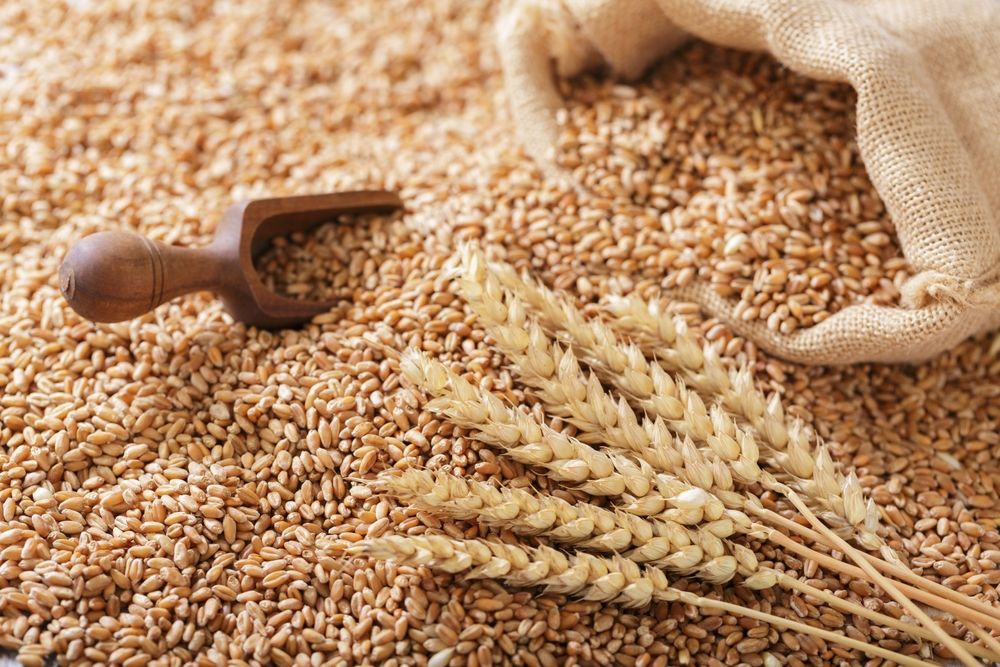
While it is unlikely that a canine would ingest wheat or other grains in the wild, these are commonly used in pet food because they can provide some nutrition for dogs. Specific allergies or intolerance to wheat are less common than allergies to animal-derived proteins. In general, yes, dogs can eat wheat, but certain breeds may have allergies or intolerances more than others. We dive deeper into this question below, so keep reading to find out more.

Why Can Dogs Eat Wheat?
A very small ratio of dogs are intolerant to wheat, but allergies and intolerances to other grains even are less common. In fact, food allergies, in general, are rare in dogs, and it is believed that only around 13% of dogs with allergies are intolerant to wheat.1
While wheat is sometimes described as being a filler, the term filler refers to cheap ingredients that do nothing but pad out the food without offering any nutritional benefits. Wheat is mainly a carbohydrate but it also contains some protein, fiber, and minerals, which can offer some nutrition to dogs. However, wheat protein by itself is not a complete protein for dogs so the food formulas need to be balanced with other animal-derived proteins.
Certain breeds are more likely to have issues with wheat. The Irish Setters can suffer a wheat-sensitive enteropathy while the Border Terriers are prone to developing a moving disorder known as paroxysmal gluten-sensitive dyskinesia. So in the case of these breeds a wheat-free, gluten-free diet is best.

Wheat Provides Energy
Wheat is a source of carbohydrates that the dog’s body can turn into glucose and use for energy. Dogs don't require carbohydrates though, their bodies are capable of naturally synthesizing glucose from proteins and fats in their carnivorous diet. But if yours is an active or working dog, or a pregnant female, providing additional carbs will help ensure they are fit and capable of performing their duties.
Grain-free foods typically use alternative sources of carbohydrates. Commonly this means adding potatoes and legumes.
Wheat In Dog Food
Since dog food became commercially available, the most common way we feed wheat to dogs is as part of their dry food. This is because forming the kibble pieces requires starch, this is also the reason why typically dry food is higher in carbohydrates than wet or fresh foods. If you feed canned or wet food, it is less likely to contain as many different grains or in the same volume.
For most dogs, however, it is ok to choose a food that incorporates wheat as long as it offers a nutritionally complete and balanced formula. This is usually indicated on the label and is a statement that ensures that your pup will get at least the minimum of all the nutrients that they need to support their health.
You can also find wheat flour in many dog treats. However, it is best to use protein-based treats to add to their nutrition. As we mentioned, dry food diets are already high in carbohydrates. Just like in the case of kibble, in those treats, wheat flour is used primarily as a binder to help give them a form.

Dogs and Grain Allergies
There are a lot of grain-free dog foods on pet food shelves, but the vast majority of dogs do not need to avoid grain, and excluding it from a specific food usually means other carbohydrate sources are incorporated.
While we do not have an exact number we know that only around a small amount of dogs have food allergies. And of those dogs that do have food allergies, it is more likely they are allergic to the protein in their food, rather than the carbohydrates. The most common allergies in dogs are as follows:
- Beef – 34%
- Dairy – 17%
- Chicken – 15%
- Wheat – 13%
- Lamb – 5%
If your dog shows any signs of allergies, such as skin conditions, vomiting, or diarrhea, you should investigate it considering also other possible causes. Gastrointestinal upset can be caused by sudden changes in diet, for example.
Environmental allergens such as pollen mites, dust, and reactions to chemicals are far more common than food allergies, so consider factors like the detergent you use on their bedding and whether your dog comes into contact with any allergens while out in the garden or on walks.
If you believe your dog has a wheat or other food allergy, talk to your vet. They will be able to advise an elimination diet or another means of determining the most likely allergen. And, if it turns out that your dog is allergic to or intolerant of wheat, your vet should also be able to recommend a good wheat-free food option.
Frequently Asked Questions (FAQ)
Can Wheat Upset a Dog’s Stomach?
Although it is very rare, some dogs can be grain intolerant or allergic to wheat or other grains. In these cases, wheat can cause an upset stomach with diarrhea and vomiting. It is also possible if you start adding grain to your dog’s diet that they might suffer an upset stomach if you introduce the new ingredients too quickly.
Introduce new food gradually, adding a small amount at a time. You can increase the amount you feed over time, but too much too soon may cause diarrhea.

Can Dogs Have Bread?
Wheat flour is the most commonly used ingredient to make bread, although some varieties use other types of flour. As such, and because most dogs can safely eat wheat, plain bread is usually safe and not toxic for dogs. However, flour isn’t the only ingredient in bread.
Check for toxic ingredients such as raisins, onion, or garlic which can cause dogs to get very ill and even put their life at risk. You may find some breads include ingredients like sugar, adding even more to the carbohydrate load which can cause weight gain that may eventually lead to obesity.
Can Dogs Eat Cream of Wheat?
Cream of wheat is a porridge made from milled wheat, rather than oats. It is generally eaten as a breakfast product by humans, and the wheat component of the food is not toxic to dogs. However, it is usually eaten with additional ingredients like honey, syrup, or sugar, all of which can lead to weight gain in dogs because of the number of calories they consume.
If your dog eats a small amount from a bowl, they should be fine, but you shouldn’t allow them to eat too much, too often.

Conclusion
Wheat is a grain ingredient that is found in a lot of dog foods. Although it is sometimes thought of as filler, wheat offers certain nutritional benefits to dogs and, unless your dog has specifically been diagnosed with a wheat allergy, it is not prohibitive to be part of your dog’s daily food. Wheat allergies are rare in dogs, which means there is no reason to avoid foods that contain it unless they are sensitive or allergic to it.
Sources
Featured
Expert dog care, straight to your inbox
News, insights, expert advice, and everything dog.

No spam — unsubscribe anytime.
By signing up, you agree to our Terms & Conditions and Privacy & Cookies Policy.
How useful was this post?
Click a star to rate. You can leave written feedback afterwards. (We read all feedback.)
Matt is a freelance writer from the UK. He lives with his partner and daughter, as well as two cats and one dog. A data analyst by profession, Matt moved from numbers to words more than 15 years ago and has been writing ever since. Having volunteered at a local animal sanctuary, he has a lot of experience with dogs, cats, and horses. Matt has also kept bearded dragons, a variety of birds, fish, guinea pigs, hamsters, mice, and rats. His daughter has adopted the same passion for animals, keeping and breeding snakes. A geek at heart, Matt is a member of a local board gaming group and regularly forces his family to “enjoy” board games with him at home.