How to Add Grain to a Grain-Free Dog Food: 5 Vet Approved Tips


In this article
Over the last decade or so, grain-free and gluten-free diets have become increasingly popular for humans, and by extension, that popularity has trickled down into canine diets, too. However, as with the human population, provided the balance of nutrients is optimal, keeping grains out of the diet is only of benefit for individuals that are allergic to them or have trouble digesting them.
Many commercial dog foods include certain ingredients to help add bulk and substance to the food without costing the earth, and items like barley, corn, wheat, rice, oats, rye, and sorghum fill that requirement. When pet owners started to become concerned about the possible detrimental effects of grains in their dog’s diet, grain-free dog foods skyrocketed in popularity. However, as we learn more about the importance of these ingredients, along with some truths about how going grain-free does and doesn’t benefit our dogs, many owners are looking to put grains back on the menu.

Why Avoid Grain-Free Dog Food?
Over the past several years, grain-free foods exploded in popularity, with hundreds of options now available on the market. But in June 2019, the FDA reported a possible link between dogs eating a grain-free diet and an increased risk of dilated cardiomyopathy. However, more recent research has shown no effects on cardiac function for dogs fed a diet of up to 45% whole pulse ingredients.
At the same time, research has shown that whole grains are a healthy part of most dogs’ diets and that most food allergies in dogs aren’t related to grains. Because of this, most dogs don’t need a grain-free diet and would actually benefit from grains. If you want to try adding grains to your dog’s diet, here are five steps to help you get started.
The 5 Ways to Add Grain to a Grain-Free Dog Food
1. Determine Whether Grain Is Needed
Unfortunately, avoiding the risks that come from grain-free food isn’t as simple as mixing some oatmeal in. Dog foods should be nutritionally balanced, and many grain-free foods are already high in carbs from sources like potatoes and legumes.
Looking at your dog’s food label is the most important step in deciding whether you want to add grains. Dog food should be no more than 50% carbs and at least 10–20% protein and 5–10% fat. If your dog food is over 30% protein, adding in some grains might be beneficial. However, many grain-free recipes are actually higher in carbohydrates than those containing grains, as ingredients like potato or pumpkin have higher levels.

2. Choose a Grain Source
There are many different types of grains that are used in dog foods. Wheat, rice, corn, barley, sorghum, millet, quinoa—the list goes on and on. Each grain has its own health benefits. Some dogs have sensitivity to common grains, including wheat and corn.
Another thing to consider when adding grains is the ease of access. It’s important to find a grain that you have access to and that is easy to prepare. Two of the best choices for adding to dog food are brown rice and oatmeal. That’s because they are healthy, easy to prepare, and widely available.
Brown rice is ideal for dogs with sensitive stomachs because it is easy to digest. It is high in B vitamins and is a good source of fiber. Oats are low in gluten, high in protein, and good for dogs with blood sugar or cholesterol issues. Oatmeal is a great way to add oats to your dog’s diet. Although these are some of the easiest choices, you can add a different whole grain to your dog’s diet as well.
3. Cook or Prepare Grains as Needed
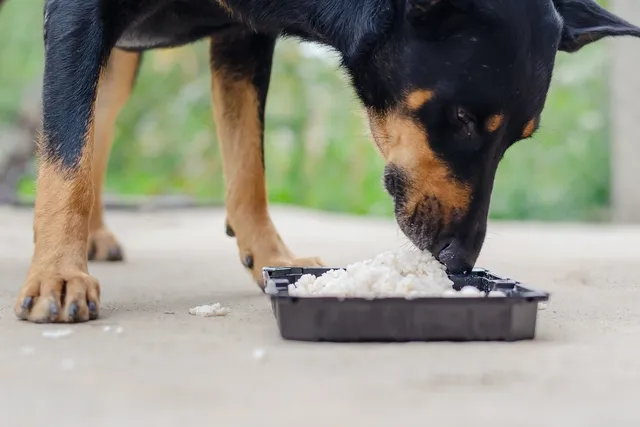
Once you have your chosen grain in hand, it’s important to prepare the grains. Most grains require cooking to be easily digestible. You can prepare food similarly to how you might prepare it for humans. For example, rice can be boiled in water to prepare it. Although you have lots of options to prepare, it is best to pick a method that doesn’t add other ingredients like fats or dairy ingredients. For example, if you want to add corn to your dog’s diet, you’ll want to prepare plain grits from cornmeal, not cornbread.

4. Mix Grains Into Food
Once grains are prepared, you can start adding them to your dog’s food. If your dog eats wet food, it is easy to stir a few spoonfuls into your dog’s food. Grains can also be mixed into dry food as a topper. Some dogs might enjoy eating the grain food plain as well. Other dogs might be pickier, so it is important to figure out what the best way to feed your dog is.
5. Find the Balance That’s Right for Your Dog
Just adding food to your dog’s diet without considering nutritional needs is a key to disaster. It’s best to start small, adding just a tablespoon or two of grains at most. Long-term, your dog probably won’t want a ton of grains because of the high carb content. Make sure to count the calories and carbs that your grains are adding to your dog’s meals so that you can adjust them accordingly. Remember that you never want your dog’s protein and fat intake to dip too low or his carb intake to be too high!
- Determine proper dog food portions and ideal daily intake with our helpful calorie calculator here.
If you're uncertain about your dog needing a grain-free diet, consult a veterinarian for guidance.
Final Thoughts
Although the benefits of going grain-free are largely overrated when it comes to dogs, the risks of alternative carbohydrate sources like peas and lentils have also been shown to be unfounded.
In many cases, adding grains to your dog’s food isn’t really a necessary step, providing they are eating a nutritionally balanced food already, but in some cases, it can be a great way to supplement a protein-heavy food and add extra nutrients. We hope that this guide helped you decide whether it is the right choice for your dog.
See also:
Can Dogs Eat Cream of Wheat? Vet-Approved Nutrition Facts & FAQ
Can Dogs Eat Millet? Vet-Reviewed Potential Risks & Benefits
Sources
Featured Image Credit: Laura Beach, Shutterstock
Expert dog care, straight to your inbox
Vet-reviewed advice, training tips, and the best of Dogster. Free, and you can unsubscribe anytime.
By signing up, you agree to our Terms & Conditions and Privacy & Cookies Policy.
Chelsea Flake Mortensen is a writer with a passion for pets . She grew up around everything from cats to chameleons and loves working with all kinds of animals. Chelsea has a BA in English and Creative Writing from Brigham Young University.
Chelsea loves reading, writing, sewing, and board games. She's lived in half a dozen US states and two countries. She is currently living in New England with her husband. Her articles have been featured in various magazines and literary journals for children and adults. Her writing has been translated into over 40 languages.
Join the conversation
Ask a question, share your story, or send private feedback.