Food Allergies in Dogs: Our Vet Explains Signs, Causes, Diagnosis & Care


In this article
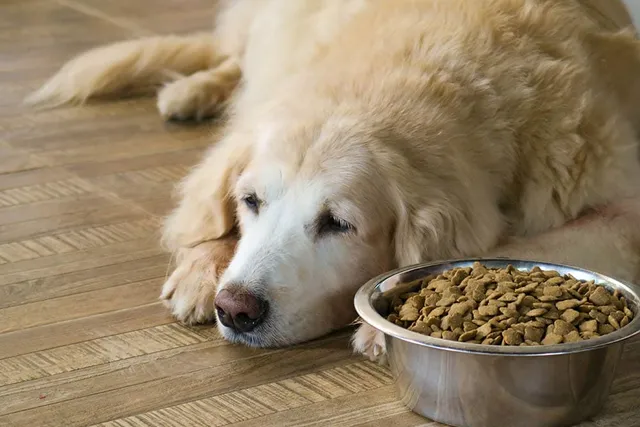
Food allergies are a type of allergy that can affect dogs, causing chronic skin and digestive signs. Some breeds are more prone to food allergies than others, but any dog can be affected. When a dog has a food allergy, their immune system overreacts to a certain food ingredient in their diet, typically a protein, called allergen. The body recognizes this ingredient as a foreign invader, producing antibodies and an immune response to an otherwise normally tolerated food.
Dog food allergies develop over time; the body needs to be exposed to the food ingredient for a long period of time before developing the full reaction. That is why dogs that have eaten the same food for months or years develop an allergy to it and can’t be fed that same diet anymore.
In this article, we’ll explain in a clear way the science behind food allergies so that you can learn more about how to identify, diagnose, and treat this problem, with the ultimate goal of improving the health and well-being of your beloved dog.

Signs of Food Allergies in Dogs

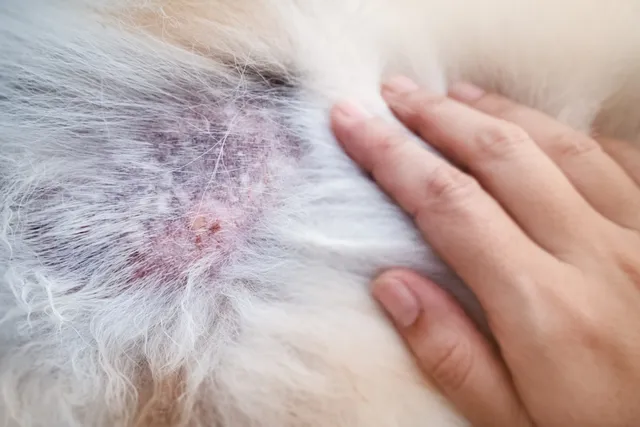
The most common sign of food allergies in dogs is chronic skin problems. Itchiness is very common. However, the itchiness can develop into something worse as the dog continues to scratch. Eventually, the skin will look red, inflamed, and sore. If the dog continues to scratch, secondary infections will set in. Chronic inflammation of the ears (otitis) can also occur.
Dogs may also experience digestive signs, such as soft feces, flatulence (gas buildup), abdominal pain, intermittent diarrhea, blood, or mucus in the stools. Vomiting can occur as well; however, this is rare.
It is important to note that, quite commonly, dogs may suffer from multiple allergies at the same time, such as environmental allergens or flea saliva. This can aggravate the clinical signs and cause occasional flare ups of itchiness (pruritus) in affected dogs.
What Ingredients Are More Likely to Cause Allergies?
Proteins are by far the most common cause of food allergies in dogs. Out of all the proteins, dogs are most likely to be allergic to beef, dairy, chicken, wheat, lamb, and egg. In order to develop an allergy to an ingredient, your dog must have been exposed to it for a period of time. However, you don’t need to avoid these ingredients if your dog isn’t allergic to them. They won’t harm your dog unless their body recognizes them as a foreign substance.
How Are Food Allergies Diagnosed?
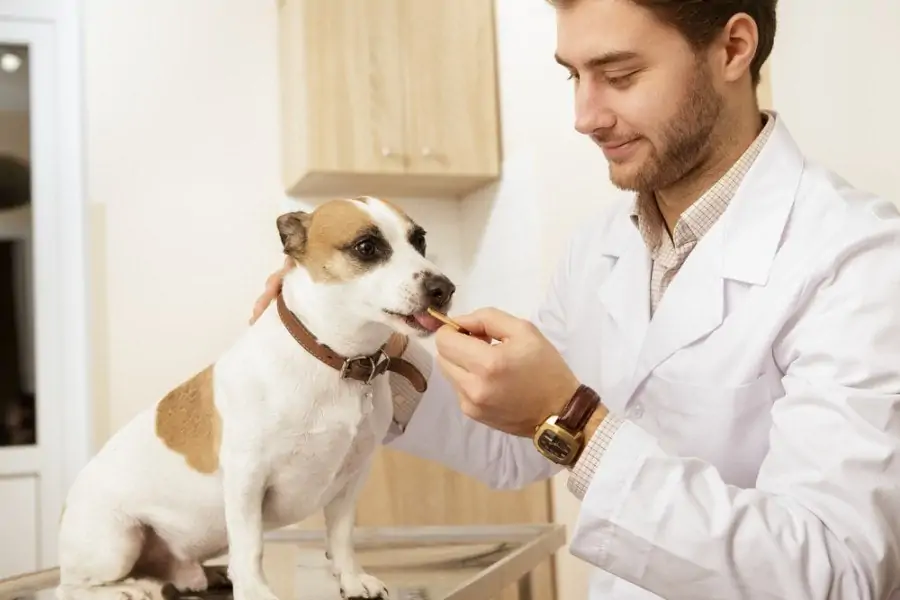
Diagnosing food allergies requires a team effort between you and a vet. There isn’t a test the vet can run to determine what exactly your dog is allergic to. Instead, a vet can diagnose food allergies based on your dog’s physical examination, their clinical history, and their response to a food trial.
The instructions for these trials are pretty straightforward and simple. First, your dog should be fed a special diet (called an elimination diet) for 8 to 12 weeks, and no treats or other foods are allowed during this time. The diet chosen should be hypoallergenic for your dog, which means that it contains a protein your dog has never eaten before or it contains proteins that have been hydrolyzed.
The typical proteins used for this purpose are venison, rabbit, or fish. However, finding the right diet can be challenging because there are only so many options on the market, and many companies use similar ingredients. This is why homemade diets can play an important role as an elimination diet. The vet will recommend you to use a single protein and a single carbohydrate source to be fed during the trial. These diets are not suitable for long-term management since they lack important nutrients that your dog needs.
You and the vet may choose to do the food trial using a protein hydrolyzed diet. These are commercial diets in which the proteins have been treated to reduce their size to smaller peptides and amino acids, which can’t be recognized by the dog’s immune system, making it unable to trigger an allergic response to them. These types of elimination diets are suitable to be fed long term if necessary because they are nutritionally balanced and complete.
If your dog’s health problems improve while they are fed the elimination diet and deteriorate once you introduce their old diet back, a food allergy can be diagnosed. This step is called a food challenge. Once you start feeding your dog again the elimination diet and they are free of allergy signs, guided by a vet, you can very gradually start introducing food ingredients (provocation testing) until their skin or digestive system flares up again. This can be the way to diagnose exactly the proteins that cause your dog’s allergies to make your choice for the long-term diet your dog will eat.
If you are concerned about the health and well-being of your pet, seek veterinary advice for the best course of action.
How Are Food Allergies Treated?
The only way to treat food allergies is to avoid whatever your pet is allergic to or to feed a commercial protein hydrolyzed diet. You can choose a new diet that doesn’t contain whatever food ingredient your pet is allergic to if you successfully found this out. There are many commercial diets available that are made with limited ingredients.
Can Food Allergies Be Cured?

No. The dog will be allergic to the food ingredient(s) for the rest of their life. However, they can be managed long term with the right diet and avoiding the allergens. Luckily, most pets only require a hydrolyzed protein diet or a diet with limited ingredients. For most dogs that are allergic to a single protein, avoidance is quite easy. The diet they can eat will not contain this ingredient. Of course, for dogs that are allergic to many things, it can be more difficult to avoid the allergens completely.
Dogs with complicated food allergies or with more allergies (for example, environmental allergies) may need medication—either long term just during allergy flare-ups. Of course, this doesn’t cure the allergy, but it minimizes the signs and makes your dog much more comfortable during those times. Allergy management is a team effort that can be very rewarding yet requires close collaboration between you and a veterinarian.
Related Read: Dog Allergies: Causes, Symptoms & Treatment
Can a Dog Suddenly Become Allergic to Their Food?
Partially, yes. Your dog may appear as if they have suddenly become allergic to a food they have been eating for months or years but, in fact, this process is gradual. That’s how food allergies in dogs develop. A dog eats the same food for years and, eventually, the overexposure sets off the immune system and allows enough time for antibodies to build up. The dog may exhibit minor signs at first, but these might not be noticeable. Often, pet owners don’t realize that their dog is experiencing food allergies until they notice chronic itching or chronic digestive issues.
If you notice any type of skin irritation, you should consult with your vet. Parasites and allergies are among the most common causes of skin issues in dogs. It doesn’t matter that your dog has been eating the same food for years and has been fine. In fact, that is how food allergies develop in the first place.
Final Thoughts
Allergies can be problematic for any dog. However, once you learn to recognize the signs that your dog has food allergies, you can take action and work alongside a vet to identify and avoid the food ingredient(s) that are causing your dog’s problems. While food allergies cannot be cured, most of the time they can be managed quite successfully with the right diet. If you suspect that your dog might be allergic to something in their food, reach out to your vet. There are many options for feeding your dog to ensure they continue to enjoy an excellent quality of life without skin and digestive problems
See Also:
Featured Image Credit: Olena Yakobchuk, Shutterstock
Expert dog care, straight to your inbox
Vet-reviewed advice, training tips, and the best of Dogster. Free, and you can unsubscribe anytime.
By signing up, you agree to our Terms & Conditions and Privacy & Cookies Policy.
Dr. Marta Vidal-Abarca BVSc GPCert (Ophthal) MRCVS (Veterinarian)
Dr. Marta has over 16 years of veterinary experience, working across the UK and Spain as a remote veterinary consultant and in the clinic. She graduated from Cardenal Herrera-CEU University in Valencia, Spain. She holds two Ophthalmology Certificates, GPCert Ophthal from ESVPS and UAB. She has wide experience in small animal internal medicine and surgery with a soft spot for dogs. Marta is a member of the Royal College of Veterinary Surgeons, and her main fields of interest are ophthalmology and critical care medicine. Dr. Marta loves being able to share the most helpful information with pet parents across the world as one of Pangolia's in-house veterinarians. She wants to provide details that can help in all aspects of pets' lives with their beloved ones. She loves knowing that she can support our readers and communicate about any medical topic that might be relevant to their pet's health and well-being.
Join the conversation
Ask a question, share your story, or send private feedback.