Gluten Intolerance in Dogs: Vet-Verified Signs, Causes & Care Guide



In this article
Gluten-free diets have become increasingly popular over the last decade or so, and it’s not just human diets following the trend. Increasing numbers of pet parents are choosing to go grain and gluten-free when selecting their dog food as well, but is gluten-free necessarily better?
While grain-free foods have grown in popularity, the likelihood of gluten sensitivities in dogs is extremely rare, with some dogs even suffering adverse effects from these diets. If you’re worried that your dog is suffering from gluten intolerance, we’ll explain what this entails, its prevalence, and how you can maintain your dog’s health, comfort, and quality of life.

What Is Gluten?
Gluten is a glycoprotein appearing in several grains, and gliadin is one of the primary proteins in gluten that causes irritation.1 Wheat contains substantial gluten levels, but the compound also exists in barley, rye, triticale, and malt. Rice and corn are among the most common gluten-free grains used in dog food, while other grains and starches, including flax, millet, buckwheat, quinoa, and soy, also lack gluten. Cross-contamination can result in some gluten-free grains, such as oats, to contain variable gluten levels.

What Is Gluten Intolerance in Dogs?
Gluten intolerance can take a number of different forms in dogs, from the generic (and rare) wheat and gluten allergy, to more specific disorders.
Wheat and Gluten Allergy
Wheat allergies are one of many food-related allergies that can cause a dog’s immune system to mistakenly identify proteins (gluten or otherwise) as a potential threat. When mast cells in the skin, respiratory system, and digestive tract encounter the allergen, they release histamine and other inflammatory mediators, causing an inflammatory cascade that may cause both internal and external signs.
Lymphocytic plasmacytic enteritis (LPE) is a form of inflammatory bowel disease (IBD) that may occur from a dog's gluten intolerance. Increased concentrations of anti-gliadin antibodies can create a hypersensitivity to gluten-containing diets, which increases with repeated exposure.
IBD is the most prevalent cause of recurrent vomiting and diarrhea in dogs, and LPE is the most common form of IBD. Dogs with LPE have excessive inflammatory cells, including lymphocytes and plasma cells, build up in the stomach and intestines, resulting in IBD signs.
An immune response to gluten is only one of many possible causes of LPE, alongside other dietary intolerances (e.g., meat proteins, dairy), infections, and genetic factors. LPE can occur in any dog, with certain breeds, including German Shepherd Dogs and Shar-Peis, being more susceptible. Middle-aged and senior dogs are most prone to this, though dogs as young as 8 months can develop the condition.

Gluten-Sensitive Enteropathy (GSE) in Irish Setters
Researchers identified chronic enteropathies from autoimmune issues in a cohort of Irish Setters in the 1980s, though the processes involved differentiate it from human celiac disease. Signs typically appear at around 6 months. For dogs sensitive to gluten, gliadin doesn’t necessarily spur an autoimmune response but does cause damage to the small intestine, with changes including:
All this promotes worsening nutrient absorption. Damage can ultimately lead to alterations in the gut microbiome. As these changes to the small intestine occur, hormonal shifts can eventually appear over time, and the intestinal lining may become more permeable, potentially leading to leaky gut syndrome.
While affected dogs suffer more issues with digestion and uptake of vital nutrients into their system, they are also at greater risk of pathogens and toxins working their way into the bloodstream. Subsequent inflammation can occur throughout the body and open the dog up to numerous diseases.
Paroxysmal Gluten-Sensitive Dyskinesia in Border Terriers
Paroxysmal gluten-sensitive dyskinesia (PGSD) is a canine epileptoid cramping syndrome found in some Border Terriers. One study also showed an instance of PGSD in a young Yorkshire Terrier. Dogs suffering from this disorder show increased anti-gliadin antibodies, indicating a possible connection to immunological gluten sensitivity.
PGSD causes varying signs while the dog is conscious. The primary effect is dyskinesia (uncontrolled movements, tremors, and twitching) in multiple limbs. Though it can appear similar to epilepsy, PGSD doesn’t include the uncontrolled elimination or hypersalivation issues, loss of awareness, or postictal disorientation and lethargy that are common to seizures.
Episodes last anywhere from a few minutes to a few hours. Affected dogs typically begin experiencing issues between 6 weeks and 7 years, often showing signs after rising while waking or during moments of stress or excitement.

What Are the Signs of Gluten Intolerance?
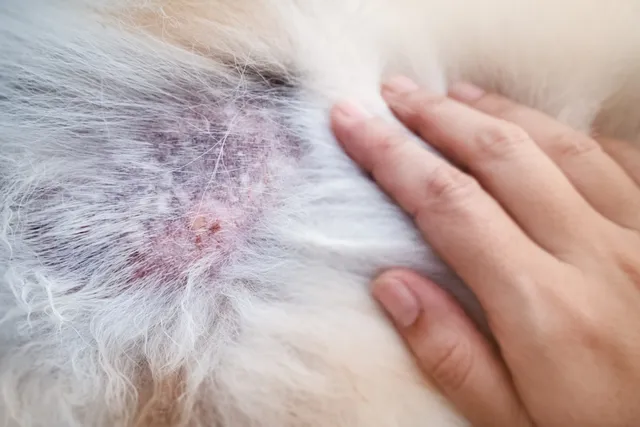
The signs of gluten intolerance can vary depending on whether it involves enteropathies, dyskinesia, or general grain allergies. If a dog has an allergy to wheat proteins (whether gluten or otherwise), they may show more familiar signs of an unnecessary immune response similar to other allergies, including:
When dogs develop IBD, diarrhea and vomiting can result. Additional signs may include a poor body condition score due to weight loss and loss of appetite, abdominal pain, lethargy, and bloody stools.
Signs of GSE
In Irish Setters with gluten-sensitive enteropathy, typical signs include:
Low bodyweight and a poor coat quality are some of the most apparent signs of the restricted nutrient absorption that comes with gluten-sensitive enteropathy. If this leads to leaky gut syndrome, dogs will show similar signs, including soft stools, flatulence, and vomiting. They can also develop chronic inflammation, skin problems, arthritis, and other advanced issues.

Signs of PGSD
Border Terriers suffering from PGSD suffer from ataxia, with some being unable to stand. They show several nervous signs in their movements, including:
PGSD can also present signs similar to allergies, including itchy skin and ears and frequent paw licking. Gastrointestinal signs also appear in roughly half of all cases, including loose stools, abdominal discomfort, and gas. Such issues may occur during or between episodes of dyskinesis.

What Are the Causes of Gluten Intolerance?
Generally, the underlying reasons for gluten intolerance in dogs, whether from allergies or otherwise, are idiopathic (the underlying cause is unknown), and still under investigation. Additionally, the gluten intolerance that generates enteropathies in Irish Setters isn't well understood. Since these dogs don’t show obvious autoimmune markers, it becomes more likely that the issue is a genetic one.

Diagnosing Gluten Intolerance in Your Dog
Vets perform various tests to hone in on the precise issues causing gluten intolerance. After performing a physical, your vet may do additional testing, including:
For dietary intolerances, your dog may go on an elimination diet to find the ingredients causing the issues. A hypoallergenic diet missing the allergen in question should resolve signs, and its reintroduction will make them return, allowing you to figure out what kind of foods to avoid.
How Do I Care for a Dog With Gluten Intolerance
The best solution for any gluten intolerance in your dog is to switch to a grain-free diet. Signs could resolve in only a few days or take a few months to disappear, as in the case of some Border Terriers with PGSD. Immediate signs may require intervention to reduce discomfort and avoid worsening damage.
Dogs with severe gastroenteritis could need medications or intravenous fluid therapy. Immune system-suppressing medications can often help reduce the severity of anti-gliadin reactions. Vets may suggest prebiotics and probiotics to restore a healthy bacterial balance for dogs with altered gut microbiomes.

Frequently Asked Questions (FAQ)
How Common Is Gluten Intolerance in Dogs?
Gluten intolerance and allergies are relatively rare in dogs. Wheat-related allergies may be more common and possible in various breeds but are still unusual. According to a warningfield report, food allergies only appear in 0.2% of dogs, though others have shown a higher prevalence of 1%–2%. Allergies can occur from numerous ingredients, including (in order of prevalence):
- Beef
- Dairy
- Chicken
- Wheat
- Lamb
- Soy
- Corn
One review of common allergens suggested that wheat allergies may only account for 13% of canine food-related allergies. Another calculated that only 0.05% of dogs have a food sensitivity. Extrapolating the occurrence of wheat allergies to the entire population, it determined they only occur in less than 0.01% of dogs.

Is Gluten-Free or Grain-Free Dog Food Better?
If your dog does not have a gluten intolerance or allergy, there is no specific medical reason to select a gluten-free food. However, dog foods containing a high proportion of gluten-containing ingredients such as grains and wheat, are not necessarily the best options anyway, as these are often included to make up calories at a lower cost. Although some grains are a healthy addition to your dog’s diet, they shouldn’t make up a significant proportion of their food.
Completely grain-free dog foods have been linked to a possible increase in the incidence of cardiomyopathy in dogs, however, this link has not been proven. It does, however, suggest that grain-free doesn’t necessarily mean healthier.

Conclusion
Canine gluten intolerance is uncommon, so if you suspect your dog may be having an adverse reaction to their food, simply switching to a gluten free diet probably won’t solve the problem. If your dog is showing signs of a food intolerance, such as itchy skin, feet, and ears, or chronic diarrhea, vomiting, and weight loss, it’s best to have them assessed by your vet. Before making assumptions about the cause and potentially unnecessary lifestyle changes for your dog, discuss your dog’s condition with your vet to get a thorough assessment and narrow down the problem. Fortunately, a straightforward diet change is often all you need to put your dog on the fast track to recovery and avoid ongoing issues.
Sources
Featured Image Credit: Leka Sergeeva, Shutterstock
Expert dog care, straight to your inbox
News, insights, expert advice, and everything dog.

No spam — unsubscribe anytime.
By signing up, you agree to our Terms & Conditions and Privacy & Cookies Policy.
How useful was this post?
Click a star to rate. You can leave written feedback afterwards. (We read all feedback.)
Nicole has loved animals of all sizes her whole life so it's no wonder she has dedicated her career to helping them through what she loves best: learning, writing, and sharing knowledge with others. She’s the proud mom of two dogs, a cat, and a human. With a degree in Education and 15+ years of writing experience, Nicole wants to help pet parents and pets around the planet to live happy, safe, and healthy lives.