Dog Food Allergies vs. Intolerance: Our Vet Busts Myths & Misconceptions

In this article
Food allergy and intolerance are terms that are often used interchangeably but are actually quite different. From itchy skin to an upset tummy, what your dog eats can trigger a number of different reactions, and being able to recognize the signs of an allergy or intolerance may help improve your dog’s health, and reduce your vet bills.

At a Glance

Note: Although full anaphylactic reactions to food are extremely rare in dogs, food allergies are quite common, as are dietary intolerances.
Overview of Food Allergies

When a dog is allergic to a type of food, it means that their immune system is responding to antigens on a particular ingredient(s) like a foreign invader. This triggers a release of cells and chemicals that cause itching, inflammation, and swelling caused by fluid trapped in the tissue (edema).
Being an immune reaction, it usually takes a period of weeks, months, or even years for a dog to develop an allergic response to a food, which is why it often seems that foods they have been eating for a while are suddenly causing a reaction. Dogs can become allergic to any ingredient, but proteins are the most common culprits, with chicken, beef, eggs, dairy, soy, wheat, and gluten the most commonly implicated.
The challenge with diagnosing a food allergy is that there are many conditions that can have similar clinical signs that need to be ruled out first.
Overview of Food Intolerance

Food intolerance is when food ingested has a direct effect on the digestive tract. It may:
- Involve specific ingredients, like dairy
- Be a reaction to eating something of poor quality or not easily digested
- Be a sign of a digestive problem, like inflammatory bowel disease, for example
Food intolerance is not dependent on an immune response and tends to happen within hours of eating. The signs are limited to the gastrointestinal tract, including abdominal discomfort, bloating, flatulence, and diarrhea.
If you are concerned about the health and well-being of your pet, seek veterinary advice for the best course of action.
Want to know more? Let’s take a look at some of the myths and misconceptions surrounding these two conditions.
The 3 Common Myths & Misconceptions About Food Allergies & Intolerances
Myth 1: Food Allergies and Intolerances Have the Same Treatment
It might seem that switching your dog to a hypoallergenic food will solve both issues, and it might, but in most cases, it’s worth trying to get to the bottom of the problem so you can manage it more effectively.
Dealing With Food Allergies
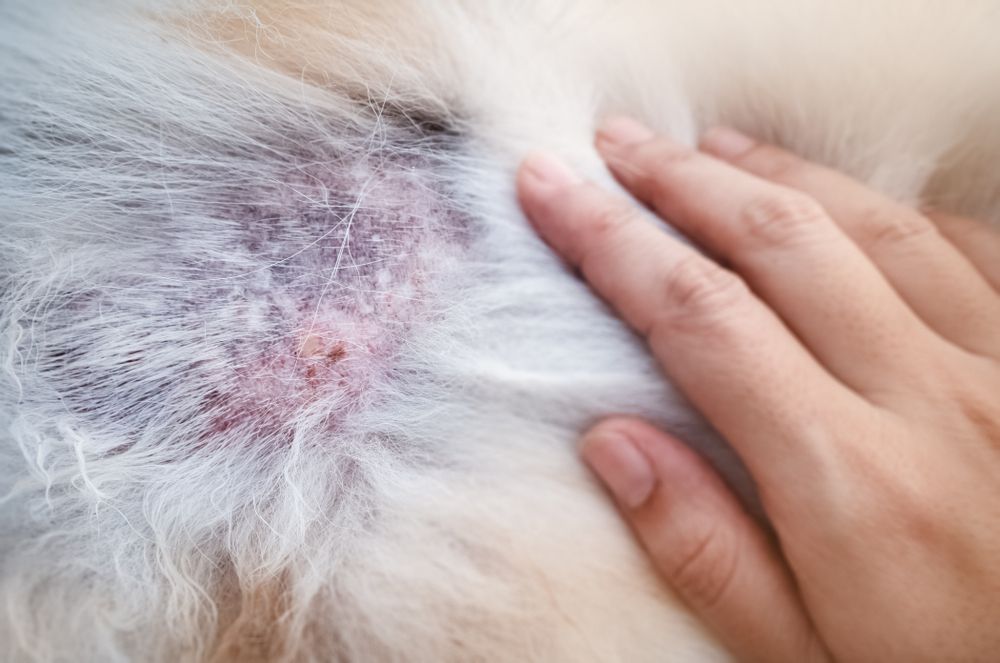
Dogs with food allergies typically present with itchy skin (pruritus), which has a long list of possible causes. Additionally, when a dog scratches its skin, it can open them up to secondary infections, making diagnosis even more difficult and sending you and the vet on a wild goose chase of skin tests, antibiotics, and heartache.
When it comes to diagnosing and treating your itchy dog, it’s important to check for the usual suspects, like fleas, mites, yeast, and infection. When these are ruled out or treated, but your dog is still scratching, an allergy is likely to be at work. But how do we know if it is a food allergy?
There are a number of different allergy tests the vet can run to narrow down our culprit to food or environmental allergens, or you can try a food trial using a novel protein diet to see if your dog’s signs improve. Be careful to introduce any new food gradually, though, as a sudden switch in diet can trigger a food intolerance!
Dogs with food allergies are often allergic to other things as well, and medications may still be needed to control their signs. But if we can identify and exclude dietary triggers, management becomes a lot easier (and cheaper).

Dealing With Food Intolerances
Dogs with food intolerances may be sensitive to certain foods, or they may simply be more reactive to new foods, changes in diet, or dietary indiscretions (when a dog eats something they shouldn’t).
Food intolerances can get worse over time, improve over time, or be sporadic or constant. Medications are not often required for the long-term management of intolerances but may be used to control acute flare-ups. There are no specific tests to find out what sort of foods trigger an intolerance, but a food trial can also be used to help identify safe and problematic ingredients.
Myth 2: Food Allergies and Intolerances Get Better Over Time
When it comes to food allergies, the opposite is usually true, and the list of foods that cause an allergic reaction can even get longer. Food allergy is the result of an antibody, immunoglobulin E (IgE), being released in response to proteins in the food. IgE triggers a cascade of cells and chemicals that result in pruritus, redness, and swelling. This reaction takes time to develop, and dogs can become allergic to more proteins over time. For this reason, if your dog suffers from allergies, it is best to avoid feeding them lots of different foods, as this increases the number of ingredients they may become allergic to, reducing the number of safe foods you may need to rely on down the road.
Dogs with food intolerances can sometimes improve over time, but they can also get significantly worse. Repeated or chronic inflammation of the gastrointestinal tract can cause permanent damage to the intestinal lining, making it difficult to digest any type of food.

Myth 3: Dogs With Food Allergies or Intolerances Can Only Eat Hypoallergenic Food
If your dog has been diagnosed with a food allergy or intolerance, you may be thinking that specially formulated hypoallergenic diets are your only option, but this isn’t necessarily the case. The best foods for managing dogs with food allergies or sensitivities include the following:
- Contain no more than one or two protein sources
- List the protein source as the primary ingredient
- Do not contain meat meal, corn meal, or other filler ingredients
- Contain little or no carbohydrates
- Do not contain artificial ingredients, colors, or preservatives
- Are nutritionally balanced and AAFCO-approved
Once you have identified the ingredients that trigger a reaction in your dog, there are many foods that can tick all the above boxes by being naturally hypoallergenic.
Final Thoughts
Food allergies are the result of an immune-mediated reaction to food antigens, triggering an inflammatory response that most commonly presents with dermatological signs. Identifying and excluding the problematic protein/ingredients can result in a significant reduction or even the complete resolution of clinical signs.
When a dog has a gastrointestinal reaction to something they’ve eaten, this is known as food or dietary intolerance, and this could be an isolated event or a chronic condition.
Although it is true that adhering to a high-quality, single-protein diet can lead to the successful management of both conditions, they are distinctly different processes.
Sources
Featured Image Credit: February_Love, Shutterstock
Expert dog care, straight to your inbox
News, insights, expert advice, and everything dog.

No spam — unsubscribe anytime.
By signing up, you agree to our Terms & Conditions and Privacy & Cookies Policy.
How useful was this post?
Click a star to rate. You can leave written feedback afterwards. (We read all feedback.)
Dr. Karyn Kanowski, BVSc MRCVS (Vet)
Dr. Karyn is originally from Queensland, Australia, and has resided in the UK for the past 10 years. She graduated from The University of Queensland School of Veterinary Science in 2010, and also holds a Bachelor’s degree in Zoology. Karyn is passionate about using experience, evidence, and working with pet owners to provide the best solutions for pets. She also believes in making reliable information about animal health accessible to everyone. 5 cats and 4 dogs let her share their home with her and her husband, and when she is not practising as a veterinary surgeon, she spends her time writing, gardening, and cleaning up pet hair!