Why Raisins & Grapes Are Toxic To Dogs: Our Vet Explains


In this article
Raisins and grapes are enjoyed as a healthy and delicious snack by many people, but did you know that this seemingly harmless fruit is anything but healthy for dogs? Ingesting even a small portion of raisins and grapes can cause a dog to develop acute kidney injury. In acute kidney injury, the kidneys suddenly stop functioning over a short period of time.
Dogs are exposed to raisins and grapes in many ways. A dog may eat the fruit straight off the vine, steal a bunch of grapes off the table, or eat other foods containing raisins, such as trail mix, granola, or muffins. While it is still unknown why grapes and raisins are toxic to dogs, a few theories state that mold, salicylate, or tartaric acid are the culprits.
Why is it that they're safe for people but toxic to dogs? Let’s break it down.

Why Are Grapes And Raisins Toxic to Dogs?
It is currently unknown why this fruit is toxic for canines, and to date, no specific toxic compound has been identified in grapes and raisins. There are no known associations between the grape or raisin type, pesticide use, type of farming (e.g., organic), and the severity of toxicity. It is also unclear if the grape's skin or flesh is the source of the toxicity.
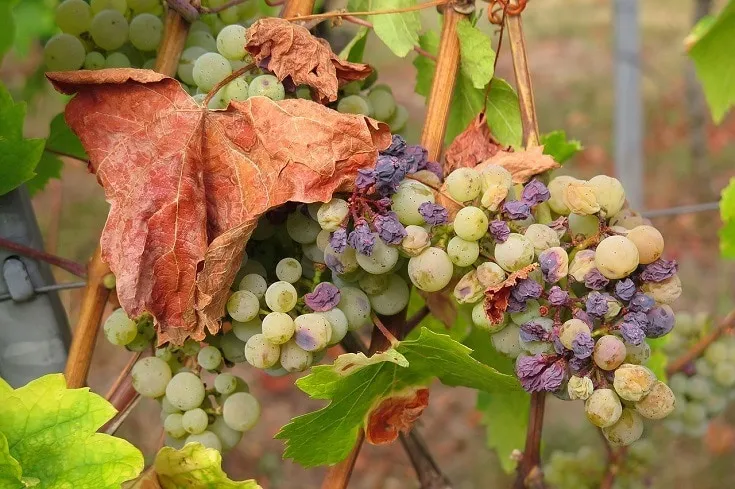
According to VCA Hospitals1, some theories that have been proposed are that raisins and grapes are toxic due to a compound produced by mold on the fruit or because grapes naturally contain an aspirin-like drug known as a salicylate, causing decreased blood flow to the kidneys. Another theory is that the tartaric acid found in grapes is to blame.
How Many Grapes and Raisins Can Dogs Eat Before They Become Sick?
Unfortunately, there is no well-established toxic dose for raisins and grapes. Furthermore, it is unclear if there is a dose-dependent relationship between the number of raisins and grapes eaten and the severity of signs, but dogs are more likely to suffer toxic effects from eating large amounts of fruit. Different dogs also seem to have individual sensitivities to raisins and grapes—some dogs can eat a small amount of the fruit without becoming sick, while others develop poisoning after eating just a few raisins or grapes.
According to Clinician’s Brief2, the lowest reported dose of fruit to cause kidney failure is 0.05 ounces of grape per pound of body weight (3.11 g/kg) and 0.3 ounces of grapes per pound of body weight (19.85 g/kg). On average, one grape weighs 0.18 to 2 ounces.
Clinical signs are more likely to be seen when dried fruit is eaten because larger quantities are often consumed, and raisins are more concentrated than grapes. There is, unfortunately, no way to predict a dog’s sensitivity to the fruit.
For this reason, any raisin or grape ingestion, regardless of the amount eaten, should be treated as an emergency since it could lead to acute kidney injury.
What Are the Signs of Raisin and Grape Toxicity?
Clinical signs usually develop within 24 hours after ingestion. The earliest and most common sign of raisin and grape toxicity is vomiting. Lack of appetite, low energy levels, abdominal pain, and diarrhea are also frequently seen. Not all dogs develop acute kidney injury, but those that do generally develop signs related to kidney damage between 24 and 48 hours after ingestion.
Signs of acute kidney injury include dehydration, excessive thirst, and excessive urination. Dogs with acute kidney injury may also develop a distinctive ammonia-like smell to their breath and high blood pressure. The kidneys may stop functioning altogether and no longer produce urine, resulting in the waste products usually filtered by the kidneys building up in the system. Affected dogs may eventually have seizures and lose consciousness. If left untreated, raisin and grape toxicity can lead to death.
What Should I Do If My Dog Eats Raisins or Grapes?
If you suspect your dog has eaten raisins or grapes, they will require urgent veterinary attention. As mentioned previously, any raisin or grape ingestion, regardless of the amount eaten, should be treated as an emergency as it could lead to acute kidney injury and, ultimately, death. The sooner your dog receives treatment, the better the prognosis.
How Is Raisin and Grape Toxicity Diagnosed?
Unfortunately, the signs of raisin and grape toxicity are non-specific, and the signs are similar to a number of other conditions, such as gastrointestinal disease and any other disease-causing acute kidney injury. A diagnosis is made based on a known history of ingesting grapes or foods with raisins. Raisins and grapes may also be seen in the dog’s vomit.
What Is the Treatment for Raisin and Grape Toxicity?
There is no specific antidote for raisin and grape toxicity. Treating it involves blocking the toxin's absorption and supporting the dog’s kidneys to prevent or minimize damage. If discovered early enough, the dog will be made to vomit (do not attempt this yourself) to empty the stomach of any raisins and grapes that may have been eaten. Activated charcoal will be administered to prevent further absorption of the toxin.
After that, aggressive treatment with intravenous fluids is necessary to support the kidneys. Other types of medication may also need to be given, such as those that help prevent nausea and control high blood pressure. The dog's kidney function will need to be monitored closely through serial blood tests. Their electrolyte levels will also need to be monitored. These tests will help the veterinarian determine if the dog responds to the treatment and ensure the kidney function is not worsening. Dogs may need to be hospitalized for several days following raisin and grape ingestion.

What Is the Prognosis for Raisin and Grape Toxicity?
The prognosis depends on several factors, such as how soon after eating raisins and grapes the dog is treated, the number of raisins and grapes eaten, if kidney damage is already present, and how the dog responds to treatment. The prognosis is generally good if the dog is made to vomit soon after ingesting raisins and grapes and fluid therapy is started immediately. The prognosis is poorer if the kidneys are already damaged and have stopped producing urine.
How Can I Prevent This from Happening to My Dog?
Keep all raisins, grapes, and foods containing raisins out of reach of your dog. Do not share any of them with your pet. What is healthy for people is not always healthy for dogs. Educate all members of your family, including children, about the dangers of raisin and grape toxicity. If you suspect your dog has eaten raisins or grapes, treat the situation as an emergency and take your pet to the closest veterinarian as soon as possible.
Summary
Although there are suspicions, no one knows precisely what causes grapes and raisins to be toxic to dogs. What is known is that grapes and raisins can cause acute kidney failure, even in small amounts. So, it's vital to get your dog to the veterinarian as soon as possible if you suspect that they ingested a grape or raisin.
Featured Image Credit: Zb89V, Shutterstock
Expert dog care, straight to your inbox
News, insights, expert advice, and everything dog.

No spam — unsubscribe anytime.
By signing up, you agree to our Terms & Conditions and Privacy & Cookies Policy.
How useful was this post?
Click a star to rate. You can leave written feedback afterwards. (We read all feedback.)
Dr. Lindsay Bisset BVSc (Veterinarian)
Lindsay is a veterinarian living in the vibrant city of Cape Town, South Africa with her husband and their rescue animals, Blizzard and Harrison. Lindsay received her bachelor's degree in veterinary science from the University of Pretoria and currently works in small animal practice. When she’s not working, you can find her enjoying time outdoors in nature hiking with Blizzard, or writing.