Can Dog Food Cause Seizures? Vet-Approved Facts & Info


In this article
Seizures are often a scary experience for both dogs and dog owners. They can be particularly challenging to address because they appear suddenly, and it is often difficult to determine what caused them.
Certain health conditions, such as diabetes, can make a dog more susceptible to seizure episodes. Reports indicate that food allergies appear to trigger seizures.1 While more research must be done to determine the exact relationship between dog food and seizures, here’s what we know so far.

Relationship Between Dog Food and Seizures
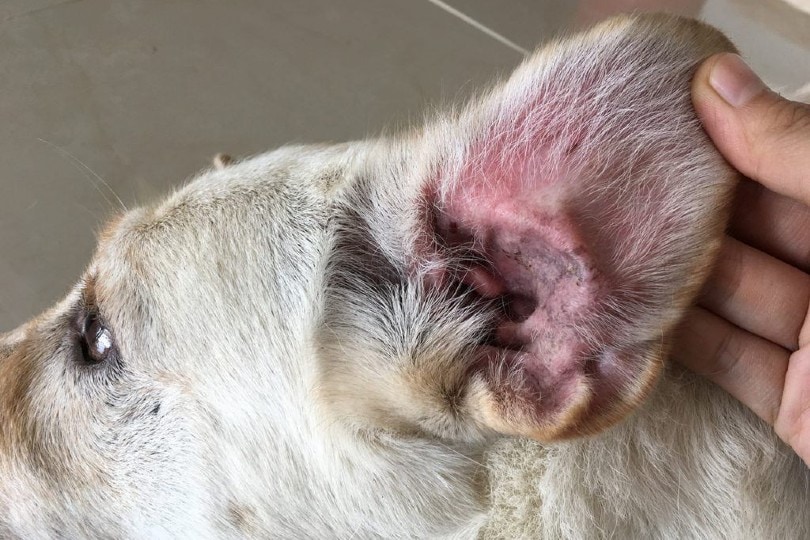
Dog food could be linked to triggering seizures in a dog in several ways. First, it can cause food allergies, and while uncommon, it appears that allergens can trigger seizure episodes in dogs diagnosed with idiopathic epilepsy. Allergic reactions cause an inflammatory response, which can then trigger a seizure response in some dogs.
In a clinical trial report, two dogs diagnosed with idiopathic epilepsy did not have a single seizure while on an elimination diet trial but had seizures within 2 and 24 hours of being fed their previous diet. Since being placed indefinitely on an appropriate diet, neither dog had a seizure episode, nor did they need any anticonvulsant medication.
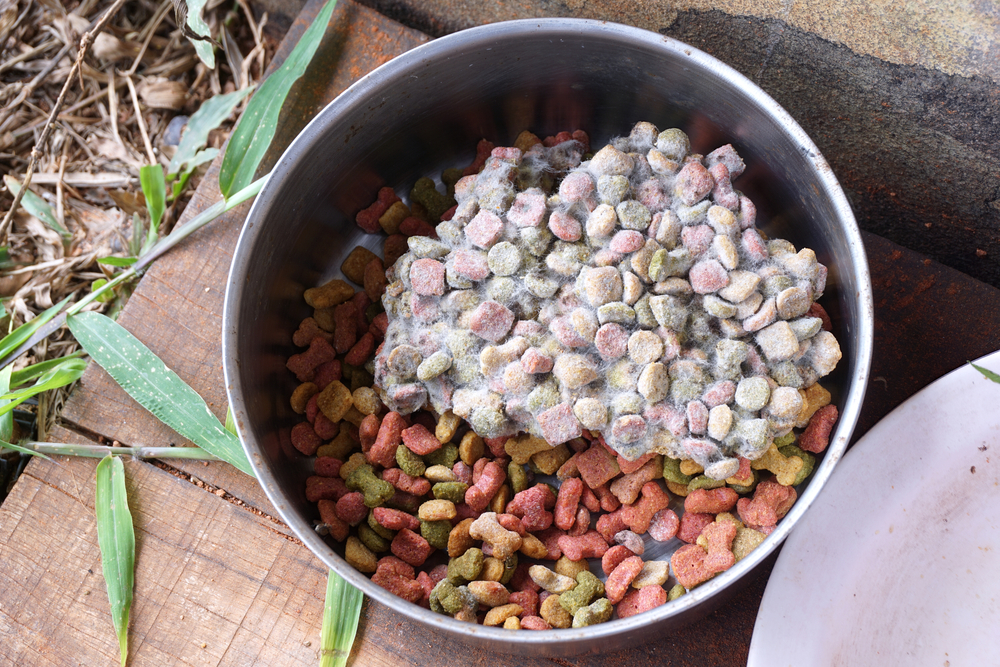
Dogs can also experience triggers by eating contaminated dog food. Some mold contains toxins that can induce seizures. So, low-quality dog food that’s manufactured in contaminated facilities can contain mold. Dog food can also grow mold if it’s poorly packaged. It’s also important to properly store dog food to prevent mold. Dry dog food should be kept in moisture-proof containers, while wet dog food should be refrigerated immediately after you open it.
Dogs with pre-existing conditions may experience seizures if they eat dog food with components that affect their bodily functioning in a way that triggers an episode. For example, if diabetic dogs don’t eat their specified diet, their blood sugar levels could drop beyond normal ranges and cause seizures.

Dog Food for Dogs Experiencing Seizures
A healthy diet offers many benefits for dogs, and it may also help reduce the risk of seizures. So, if your dog has had seizure episodes, it may be helpful to change their diet.
First, switch out your dog food to a recipe developed by a high-quality dog food company. When you do your research, look for a company that uses whole ingredients, prepares food in a safe manner, and has a clean recall history.
Since there are ties to food allergies and seizures, look for a dog food recipe that contains limited ingredients and a single source of meat protein. These types of recipes are often easier on the stomach and make it easier to determine what types of food cause allergic reactions. It is best if you get a veterinarian involved in this elimination diet trial since the vet can save you time and guide you in the right direction after analyzing your dog’s current diet.
Some common allergens for dogs are:
- Beef
- Chicken
- Dairy
- Eggs
- Soy
- Wheat gluten
However, every dog is different, and some are allergic to other ingredients, so discovering what might be triggering a specific dog requires an individual approach. This is pretty much detective work, and while you put your dog on a new food trial, it’s important to be vigilant and read through ingredient lists because recipes marketed as “hypoallergenic” or “limited-ingredient” are not thoroughly regulated.
These recipes can still have traces of different types of meat protein and other potential allergens, such as egg products.
If your dog has pre-existing conditions, it’s especially important to consult with a veterinarian before switching them to a new diet. Since food affects a dog’s entire system, it’s essential to find a diet that’s safe for your dog.

Carbohydrate Content and Seizures
A high-fat, low-carbohydrate “ketogenic” diet has been successfully used as an anti-seizure treatment for humans. It turns out that a dog’s diet can also be modified to prevent seizures.
Reducing the carbohydrate content in a dog’s diet has proven to be essential for seizure control. Studies have found that ingesting carbohydrates would reverse the benefits of the diet and precipitate a seizure.
Fat Content and Seizures
A ketogenic diet is a high-fat diet based on the metabolism of ketone bodies instead of carbohydrates as an energy source. Since dogs can metabolize medium-chain triglycerides (MCTs) to produce ketones, supplementing a dog’s diet with MCT oils can be of great benefit as a therapeutic anti-seizure diet.
With this in mind and considering that your typical dry food diet is high in starches and carbohydrates, feeding a species-appropriate diet that is low in carbohydrates and high in healthy fats is the best choice. Dogs suffering from seizures can greatly benefit from switching to a high-quality fresh food diet combined with supplemental pure MCT oil or MCT-rich organic coconut oil.
Conclusion
As you can see, research indicates that certain dog foods can be a trigger for seizures, so diet shouldn’t be ruled out when searching for the cause of seizures. Dogs can experience seizures due to high carbohydrate content, food allergies, or contaminated food.
So, while you search for the cause of your dog’s seizures, switching to a clean and healthy diet that is low in carbohydrates and high in healthy fats can help boost your dog’s overall health and improve their quality of life.
Featured Image Credit: chendongshan, Shutterstock
Expert dog care, straight to your inbox
Vet-reviewed advice, training tips, and the best of Dogster. Free, and you can unsubscribe anytime.
By signing up, you agree to our Terms & Conditions and Privacy & Cookies Policy.
Jessica is a freelance writer who spends bigger part of her day researching and writing while her furry companion Cavapoo, Nora, snoozes beside her. She loves dogs, pets and animals because there’s so much to learn from them, and they do so much for us. As a dog mom, she understands the strong connection that pet parents have with their pets. So, she loves sharing helpful information that pet owners can use to better understand their beloved pets. When she isn't writing, you may find her walking dogs, tending to her plants, or drinking her nth cup of coffee.
Join the conversation
Ask a question, share your story, or send private feedback.