Why Dogs Love Cheese - And How to Pay the Cheese Tax Safely


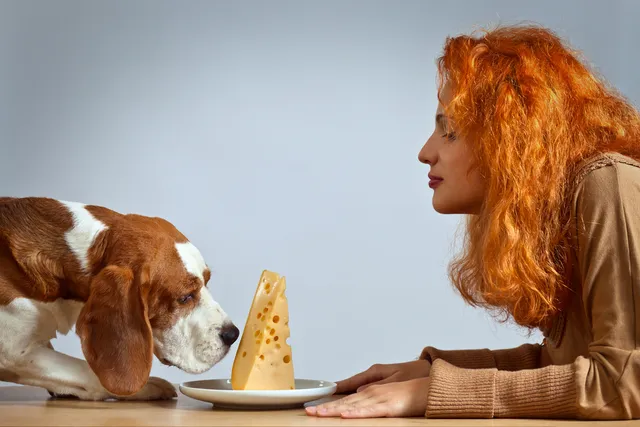
Ever notice your dog’s tail wagging uncontrollably when you pull out a block of cheese? You’re not imagining it; most dogs genuinely love cheese. But what makes this creamy treat so irresistible to our furry friends? And more importantly, is it safe for them to eat? From its strong smell to chewy textures, cheese has multiple appeals for dogs. We’ll explore the reasons behind their cheesy obsession and share tips on feeding it safely.

The 4 Reasons Dogs Love Cheese (As Much As Us)!
1. That Smell Is Irresistible
Dogs experience the world mostly through their noses, so it’s no surprise that a strong-smelling cheese can make their tails wag. While scientists aren’t completely sure why pungent odors attract dogs, it’s likely because layered scents pique their curiosity and provide mental stimulation.
Think of it this way: your dog can’t usually explore rotting leaves or smelly garbage safely, but cheese gives them a safe way to indulge their nose. For dogs that love exploring scents, a whiff of stinky cheddar or Swiss can feel like a miniature adventure. If your pup perks up just at the smell of a cheese wrapper, it’s proof that smell alone can be a powerful lure.
2. Savory Flavor Hits the Spot
Dogs tend to prefer savory flavors over sweet ones, which is rooted in their evolution. Wild canines primarily ate meat, so foods with a strong umami taste are naturally more appealing. Cheese, with its rich, salty, and sometimes tangy flavors, hits that savory-sweet spot perfectly.
Even if your dog sniffs fruit or carrots with mild interest, the taste of cheese can be a completely different story. This is why cheese often becomes a “high-value” treat used in training sessions; it’s hard to resist and motivates dogs to learn new tricks quickly.

3. A Fat-Filled Bonus
Fat gets a bad rap in human diets, but for dogs, it’s an essential nutrient. Fat is a concentrated energy source, helps absorb fat-soluble vitamins, and supports healthy skin and coat. Cheese contains fat that can make it highly appealing to dogs, both for its taste and its satisfying richness.
Some cheeses also provide additional nutrients like calcium, vitamin A, B12, zinc, phosphorus, and riboflavin. While your dog isn’t exactly thinking about vitamins, these nutrients enhance the flavor and richness of cheese, making it a more rewarding snack. Remember, moderation is key. Too much cheese can contribute to unwanted weight gain, so it’s best used as a special treat.
4. Chew-Worthy Textures
Chewing is more than just fun for dogs; it’s a form of mental stimulation and enrichment. Cheese comes in a variety of textures that appeal to different dogs. Soft, creamy slices are easy to eat and great for hiding treats inside toys, while harder cheese sticks, like yak cheese, can occupy a dog for extended chewing sessions.
Offering different textures keeps dogs entertained and can even help reduce boredom or anxiety. For dogs that love to chew, providing safe, chewable treats like certain cheeses can be a rewarding activity that also engages their senses.

The Cheese Tax
If your dog gives you the full puppy-dog eyes, wiggles uncontrollably, or does that adorable little dance when you pull out the cheese, congratulations: you’re officially paying the cheese tax. Many dog owners admit to sneaking extra bites or offering bigger chunks just to see that happy reaction. While the tax is cute, it’s important to remember that moderation matters—cheese is calorie-dense, and overindulgence can quickly add up. Think of it as a tiny, delicious “fee” for canine joy, not a free-for-all buffet. A few bites here and there are fine, but stick to the safe cheeses and portion sizes outlined above to keep your pup healthy and satisfied. Below, we go into cheese-tax safety tips.

Feeding Cheese Safely
Cheese can be part of a dog’s diet, but it must be offered responsibly. Because cheese is calorie-dense and high in fat, overfeeding can lead to weight gain or digestive upset. Always start with small pieces, especially if it’s your dog’s first time trying cheese, to ensure they tolerate it well.
Dogs can be lactose-intolerant, and too much dairy can cause stomach upset, diarrhea, or gas. If your pup experiences discomfort, it’s best to avoid cheese in the future. For dogs with existing health issues, dietary restrictions, or medications, check with your veterinarian before introducing cheese.
Steer Clear of Blue Cheeses
Not all cheeses are safe. Blue cheeses, such as Roquefort, Stilton, and Gorgonzola, contain a substance called roquefortine C, which many dogs cannot tolerate. Consumption can result in severe symptoms, including vomiting, diarrhea, lethargy, twitching, panting, or even seizures.
If your dog accidentally eats blue cheese, call your vet or a pet poison hotline immediately. Quick action is essential to prevent serious complications. Avoid feeding moldy or blue cheeses entirely to keep your dog safe.
Cheese as a Training Treat
One of the best uses for cheese is as a high-value training reward. Its rich flavor and aroma can motivate dogs who might ignore standard treats. Small, bite-sized pieces work perfectly for rewarding quick learning and maintaining focus during training sessions.
Pro tip: You can even hide tiny cheese cubes inside puzzle toys or under a cup in a shell game to mentally stimulate your dog while rewarding them with a tasty treat. This method combines mental enrichment with the joy of cheese, creating a happy, healthy experience.

Wrap-Up
Cheese can be a delightful indulgence for dogs, thanks to its smell, flavor, fat content, and texture variety. By feeding it sparingly and safely, you can make snack time a positive, rewarding experience without risking your pup’s health. Remember: moderation is everything, and avoiding unsafe cheeses like blue cheese keeps your dog both happy and healthy. With these tips, you can let your furry friend enjoy cheese, the safe way.
Feature Image Credit: Irina-Senkova-Shutterstock
Did You Know?
- Our brand-new posts are rounded up and included in our weekly emails. Don't miss out on the latest - sign up for our newsletter below!
Expert dog care, straight to your inbox
News, insights, expert advice, and everything dog.

No spam — unsubscribe anytime.
By signing up, you agree to our Terms & Conditions and Privacy & Cookies Policy.
How useful was this post?
Click a star to rate. You can leave written feedback afterwards. (We read all feedback.)
Dan has been working in the dog world for over 4 years, covering dogs and all other pets, helping pet parents keep their companions happy, healthy, and totally spoiled! Originally from London, Dan now works remotely, which sadly means no pets at home, but plenty of opportunities to fuss over other people's furry friends.