
Can Dog Food Cause Ear Infections? Vet-Verified Facts & FAQ


In this article
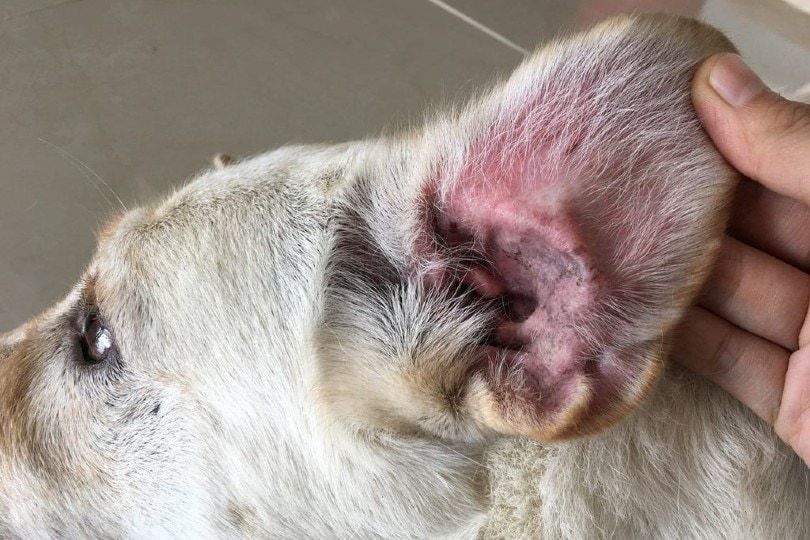
View 4 More +Dogs, just like humans, can suffer from ear infections. Your dog might never have one, or they may get them routinely. If you find that your dog is getting frequent ear infections, you’re probably looking for the trigger.
If you’re wondering if food can contribute, the answer is yes, absolutely. In many aspects, food controls how the body functions, and when things are out of whack, many symptoms can appear. Let's explain how it works and what you can do to protect your dog from ear infections.

What Are Ear Infections?
There are three areas ear infections occur—outer, middle, and inner. Outer ear infections are the most common, though all can be caused by an unhealthy amount of yeast, bacteria, or fungi building up in the ear's outer portion.
When this buildup occurs, it triggers overgrowth in the ears, irritating the areas throughout. You might notice your dog acting differently or smell the infection. Yeast has a particular sort of foul odor that is a telltale sign.
Some common symptoms of ear infections in dogs include:
They are pretty easy to detect, especially if you know what you’re looking for. Ear infections almost always require veterinary attention. Antibiotics usually work to treat bacterial infections, but other agents such as yeast might be the cause of the infection and need a different treatment. Routine care at home is recommended.
Make sure to keep your dog's ears dry and clean. Use any cleaners, drops, or topical ointments your vet suggests.
Dog Food & Ear Infections: What's the Connection?
Allergies irritate several areas of the body, but a huge one is the skin. You might not just notice gross buildup and gunk in the ears but also body irritation. Dog food is a very common culprit to recurring ear infections when the underlying trigger is a food allergy.
Symptoms of an underlying food allergy include:
You might not have connected the dots quite yet, but have your dogs been experiencing a few of these symptoms in addition to ear infections? Yes, food allergies can cause all kinds of outward and inward effects.
If your dog struggles with any of the signs above, you should take them to be examined by a vet.
Common Allergy Triggers in Commercial Dog Food
Thanks to science, nutritionists and researchers have uncovered the main offenders in dog food. Let’s go over each one.
Protein
Protein is, unfortunately, a common allergy trigger for allergy sufferers (the most common, in fact)—particularly frequently seen in meat like chicken, beef, and fish.
Often, hydrolyzed or novel protein dog foods aid in digestion and nourish the body. Novel proteins use a new protein source that has never been introduced to your dog's system before. Hydrolyzed proteins are broken down into microscopic bits so they can essentially bypass the system.
Dairy
Dairy, more specifically, lactose, is another huge trigger for dogs. A big telltale sign that your dog has a dairy allergy is itchy skin and rashes. Believe it or not, there is a difference between lactose allergy and lactose intolerance.
Lactose intolerance is linked more to gastrointestinal upset versus skin irritation. So, if dairy is causing recurring ear infections, it is usually linked more to the allergy than the intolerance.
Gluten
Gluten is not nearly as triggering as dog food companies would lead you to believe. In fact, it makes up only a small percentage of dog food allergies in total. But rather than ear infections, gluten allergies usually present with diarrhea, loose stool, mucous in stool, gas, and other gastrointestinal symptoms.
To combat these types of allergies, dogs often undergo a series of food trials to eliminate different ingredients. It can take weeks, months, or even years to uncover the cause. After so long, the culprit should reveal itself.
Just because these are the most prevalent allergy triggers, it doesn’t mean they are the only ones. Dogs, like us, can be allergic to just about anything.
Do Ear Infections Have an Odor?
Usually, most people can agree that skin and ear infections have a musty, unpleasant, distinct odor. Often, ear infections don't come alone. Dogs can also get skin yeast infections—and you'll know it.

Recurrent Ear Infections: Alternate Causes
There are some alternatives, too. It doesn’t always point to food allergies. If you haven’t been to the vet, don’t put all your energy into one idea. There could be other explanations. Here are a few.
Antibiotic-Resistant Bacterial Infections
If you have noticed that your dog is getting recurring yeast infections after a series of antibiotics, they could be developing resistance. It isn't uncommon to see this these days, as studies are proving.
Environmental Allergens
Your dog's environment plays a huge role in potential ear infections. If your dog is allergic to something in their environment, symptoms might manifest similar to food allergies.

Systemic Diseases
Your dog might have an underlying disease or illness such as hypothyroidism. If you have an older pet, it is much more common as they start advancing in age.
Parasites
If your dog has parasites in its ears, it can lead to infection quickly. Ear mites are the typical culprit.
Conclusion
As you can see, dog food can definitely be the culprit for your dog’s ear infections. However, it could have other reasons as well. That is why it is so important to go over any symptoms or changes with your veterinarian. Together, the appropriate testing could be done to uncover the underlying cause.
If your dog is suffering from recurring ear infections, it isn’t normal—no matter the reason. So, make sure to seek proper treatment.
See also:
Sources
Featured Image Credit: dawi88888, Shutterstock
Expert dog care, straight to your inbox
News, insights, expert advice, and everything dog.

No spam — unsubscribe anytime.
By signing up, you agree to our Terms & Conditions and Privacy & Cookies Policy.
How useful was this post?
Click a star to rate. You can leave written feedback afterwards. (We read all feedback.)

Ashley Bates is a freelance dog writer and pet enthusiast who is currently studying the art of animal therapy. A mother to four human children— and 23 furry and feathery kids, too – Ashley volunteers at local shelters, advocates for animal well-being, and rescues every creature in need. Her mission is to create awareness, education, and entertainment about pets to prevent homelessness. Her specialties are dogs and cats.