Can Dog Food Cause Elevated Liver Enzymes? Vet Approved Info


In this article
Blood tests provide a great gauge of your dog's overall internal health. If you’ve recently had blood testing done and are curious about your dog’s high liver enzymes, you should familiarize yourself with what they mean and what’s causing them. On occasion, elevated liver enzymes can be caused by your dog's food, though hepatitis, heart failure, endocrine disorders, and even dental disease can also be the culprit.
Keep reading to learn everything you need to know about elevated liver enzyme levels in dogs.

What Are Liver Enzymes?
Several liver enzymes may be present in your dog’s blood work panel, and your vet will discuss them with you. This can be a lot of information to take in at once, so here is a list of the more commonly tested enzymes.
Elevated aspartate transaminase (AST) may be due to the liver, but this enzyme can also be found in other areas of the body, such as the heart and red blood cells.
Elevated alanine aminotransferase (ALT) levels usually indicate hepatocellular injury, but this enzyme also comes from the intestines and kidneys.
Alkaline phosphatase (ALP) is found not only in the liver but also in the bones, kidneys, and a pregnant female’s placenta. The highest levels of ALP are in the bones and liver. It is not unusual to see elevated levels of ALP in young and growing dogs.
Gamma glutamyl transferase (GGT) is a useful enzyme in diagnosing liver and biliary diseases since it is more specific than other enzymes.

What Are High Liver Enzymes?
When blood tests show elevated levels of AST and ALT, it means that cell damage has caused the enzymes to leak out of the liver cells. The causes of this damage are numerous and must be investigated. As mentioned above, it’s not unusual to see elevated levels of ALP in dogs under a year old.
Dogs on steroid medications also have higher levels of ALP. Some breeds, like Siberian Huskies and Miniature Schnauzers, are also prone to having benign elevations in this enzyme. So, high levels of ALP are not a definitive sign of liver dysfunction. GGT is a helpful liver enzyme that can help confirm liver disease.
It can increase 5 to 30 times the normal amount when there is a biliary obstruction. Increased levels of GGT and ALP can also indicate hepatobiliary disease. It is important to note that the magnitude of the level needs to be interpreted by your vet and doesn’t always correspond well to the degree of illness shown or the liver's ability to function.
Can My Dog’s Food Cause Elevated Liver Enzymes?
Yes, the food your dog eats can impact liver enzyme results, but it is not a common cause of liver enzyme elevation. Some blood results can be altered by fat in the blood sample; this is more likely if your dog has been fed before a blood sample. However, it can affect some biliary tract markers and hematology results. Your vet may request that your pet fasts overnight before a blood sample to avoid this.
If your pet is obese due to overfeeding, it can increase the likelihood of fatty liver changes, which can increase liver enzymes. Food can affect inflammatory conditions and may have a knock-on effect on liver health. Sometimes, kibble has had to be recalled due to contamination with mycotoxins, known as aflatoxins.
Aflatoxins are a harmful substance produced by the mold Aspergillus flavus that can increase your dog’s risk of liver impairment. These are some of the ways that food can affect liver enzymes, but when elevated levels are discovered, a change in diet is recommended to support the underlying dysfunction, not because the food caused it.

What Else Causes Elevated Liver Enzymes in Dogs?
It isn’t only your dog’s diet that can cause elevated liver enzymes.
Other causes include:
As you can see, liver enzymes can become elevated from various causes and aren’t always indicative of a severe liver condition. This is why your veterinarian should interpret the results for you. Many factors need to be taken into consideration.
Is It Bad to Have Elevated Liver Enzymes?
Having raised liver enzymes isn’t a specific diagnosis. Your dog’s liver enzymes won’t tell your vet what exactly is causing the elevation. Your vet can use your dog’s blood work to screen for problems with the liver so they can find the underlying cause of the elevation. Raised liver enzymes do not necessarily tell how well the liver is functioning, and a more specific function test may be suggested, which is called a bile acid stimulation test.
Sometimes elevated enzymes occur because your dog has a hepatobiliary disease affecting their liver, gallbladder, or bile ducts. However, raised levels can also occur due to extrahepatic disease outside the liver. Your vet will use your dog’s elevated liver enzyme blood work results as a jumping-off point to find the true cause of their high enzyme levels.
What Can I Feed My Dog with Elevated Liver Enzymes?
This is a conversation you should have with your veterinarian. Your vet can help you choose the best diet based on the complexity and type of liver dysfunction. The most commonly recommended is a low-protein diet that’s naturally lower in copper and higher in digestibility.
Managing liver disease with nutrition can control the clinical signs but often doesn't target the underlying cause of the disease. The goal is to maintain normal metabolic functioning, support the regeneration and repair of the liver, and decrease further liver damage.

What Are the Signs of Liver Problems in Dogs?
While your dog’s blood work should give you a general idea of his liver health, you should know some of the signs of canine liver disease. The early signs are nonspecific, like vomiting, weight loss, and loss of appetite. It’s easy to miss these early warning signs since they’re similar to other health conditions.
Once your dog’s liver condition progresses, you may see signs like:
Undiagnosed liver disease can lead to a life-threatening degenerative brain condition known as hepatic encephalopathy. This condition occurs when your dog’s liver cannot properly filter ammonia, which will eventually build up and affect the central nervous system.
Final Thoughts
The health of your dog’s liver is very important, so being aware of the physical signs of liver issues is essential. You can do your part in promoting optimal liver health by providing good quality nutrition and preventing obesity. Remember, you cannot usually control liver conditions through diet alone. You need to speak with your vet to determine the best course of action for your dog’s specific condition.
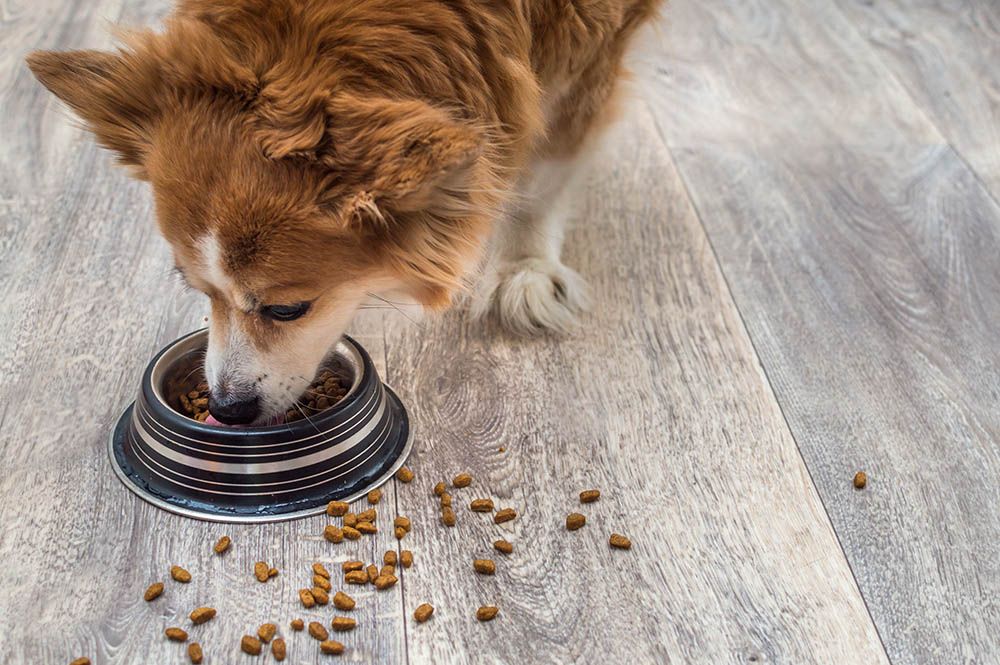
Featured Image Credit: Anastasiya Tsiasemnikava, Shutterstock
Expert dog care, straight to your inbox
News, insights, expert advice, and everything dog.

No spam — unsubscribe anytime.
By signing up, you agree to our Terms & Conditions and Privacy & Cookies Policy.
How useful was this post?
Click a star to rate. You can leave written feedback afterwards. (We read all feedback.)
Chantelle is passionate about two things in her life – writing and animals. She grew up on the prairies of Canada surrounded by animals and as an adult, she choose to share her home with five cats, two guinea pigs, and a bearded dragon. Chantelle, her husband, and their child take great pride in being great animal parents- the ones who spend a thousand dollars on wall-mounted cat shelves so that their cats can have an indoor jungle gym all year round. When Chantelle isn’t snuggling her cats on the couch or taking pictures of them being funny, she’s outside exploring in the Rocky Mountains, binging the same shows on Netflix over and over, and reading about whatever random topic pops into her brain.