How to Bond With Your Dog: 9 Vet-Verified Ways to Strengthen Your Connection


In this article
Dogs are man’s best friend for good reason. After all, they bring us joy, laughter, and comfort, and owning a dog has many rewards and benefits. However, the experience will be completely different if you don’t have a bond with your dog. Forming a bond is a crucial step in having a healthy relationship with your canine companion, but how exactly do you create a bond with your dog?
Whether your dog is a puppy or an adult from a shelter or rescue, there are many fun ways to create a long-lasting bond between you and your pooch. Let us look at how to bond with your dog and what signs they'll show when they feel attached to you.

The 9 Ways to Bond With Your Dog
1. Engage in Play
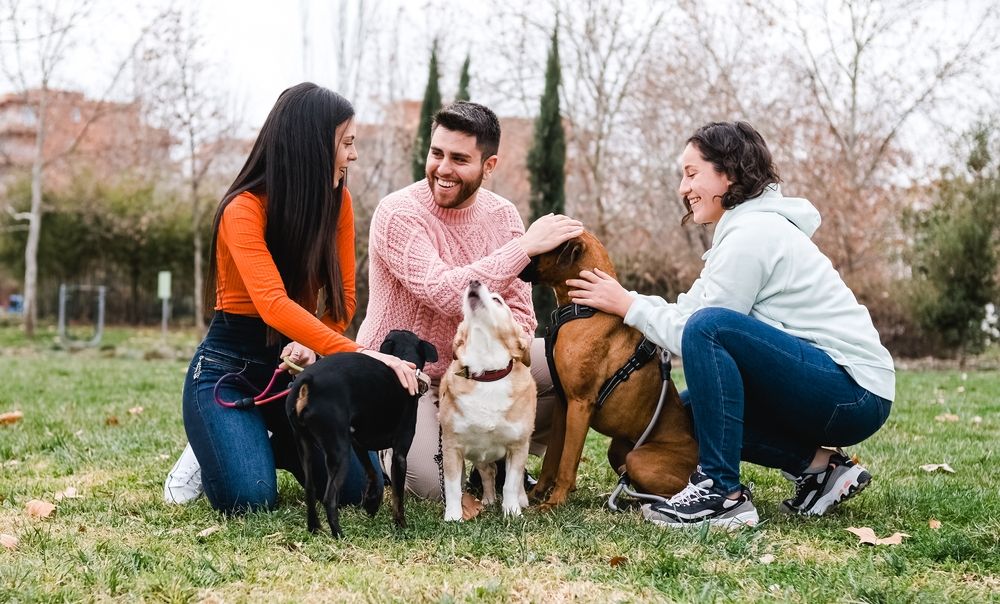
Playing with your dog is an excellent way to bond. However, it helps greatly to know what type of play your dog prefers. For example, some dogs would rather play tug-of-war than fetch a ball and bring it back to you. You’ll want to learn what type of play excites your dog so you can interact with them positively. If your dog loves to play Frisbee, ensure you have one on hand for playtime. Does your dog love water? Turn on the sprinkler on hot summer days and run through it with your pooch.

2. Get Active Together
Getting active together is an excellent bonding opportunity and keeps you and your pooch in shape. Take your dog on daily walks, runs, hikes, lake trips, or other outdoor adventures you both enjoy. Mix up your activity, such as taking walks on different routes or going to new places your dog has never been, to keep it interesting and engaging.
3. Groom Your Dog
Grooming offers an excellent bonding opportunity. However, not all dogs enjoy a bath or nail trim, but many enjoy being brushed because it feels good on their coat and skin. Brushing also helps keep the coat healthy, so it’s a win-win. Grooming also establishes trust between you and your dog, which will only benefit your relationship further.
Even if you take your dog to a professional groomer, you’ll still need to do a little maintenance in between sessions, so use this time to establish a trusting bond.

4. Establish a Routine
For some dogs, establishing a routine can help with the bonding process. A daily routine will allow your dog to learn what to expect from you and what is expected of them. Ensure you communicate consistently with your dog using the same cue words so that your dog will learn what you want from them.
5. Give Plenty of Rubs and Cuddles
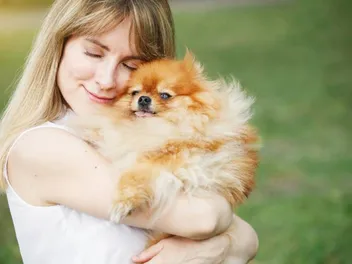
Most dogs appreciate a pat on the head or a rub of the belly. However, you must learn what your dog likes and dislikes so you don't annoy them, which is what you don't want while trying to create a bond. If your dog is a snuggler, take time to snuggle up on the couch, the floor, or wherever else your dog frequents. Once you learn what type of physical contact your dog likes, ensure you give plenty of it, as this will also create trust.

6. Training Sessions
Every dog needs training to become a well-behaved doggie, and daily training sessions can help create a strong bond between you and your dog. Teach your dog new tricks to impress your family and friends. If your dog doesn’t know basic commands, now is the time to teach them. Training requires your dog to be tuned in to you because they will be focused on your guidance, which will strengthen your bond.
7. Stay Calm Around Your Dog
Avoid raising your voice or displaying negative activity when you’re around your dog. If you raise your voice, they may become afraid of you rather than forming a bond, so it’s important to ensure your pooch is comfortable in your presence.

8. Give Praise
You’ll always want to reward good behavior with praise and occasional treats. Ensure you tell your dog how good they are when they do something right, followed by pats and rubs. Be careful not to reward undesirable behavior in hopes your dog will like you better, as doing so will cause your dog to misbehave and continue to engage in unwanted behaviors.
9. Be Patient With Your Dog
You must be patient with your dog, especially during the training process. A dog depends on their human for everyday wants and needs, and if you do your best to fulfill those wants and needs, odds are your dog will bond with you. However, if you have a short fuse when your dog makes a mistake or accident, they will be less likely to form a bond and will likely become afraid of you.


How to Tell if Your Dog Has Bonded With You
When you work hard to bond with your dog, it’s nice to know that all that hard work has paid off. So, how do you know if your dog has bonded with you? In order to tell, look for these signs:
- Your dog wants to sleep near you
- They expose their belly for rubs
- They bring you gifts, such as toys
- They get excited when you return home
- They show affection by licking you
Every pet is different, and the time it takes to bond may vary from dog to dog. Puppies generally take less time to form a bond. If you have an adult you’ve rescued, it may take longer, especially if the dog has a troubled past. In any event, being patient and consistent will pay off in the long run.

Conclusion
Forming a bond between you and your dog is not too difficult; it just takes time and patience. Remember to maintain physical contact with your dog by giving many praises and belly rubs. Engage in daily play or some physical activity to strengthen your relationship and learn the activities your dog loves, ensuring you avoid activities they dislike. Remember to build trust and stay consistent with communication.
Also see: How to Bond With a Puppy: Fun Ideas
Sources
Featured Image Credit: Daniel Megias, Shutterstock
Expert dog care, straight to your inbox
Vet-reviewed advice, training tips, and the best of Dogster. Free, and you can unsubscribe anytime.
By signing up, you agree to our Terms & Conditions and Privacy & Cookies Policy.
Rachel Giordano is a writer and musician living in Pensacola, Florida, with her partner and their two dogs, Aero, a Border Collie/Sheltie mix and Sophie, a Boston Terrier. Rachel holds a Bachelor of Arts degree in communication and loves writing about animals of all types. When she’s not writing about pets, she loves to write suspense/thriller novels. A musician by night and writer by day, she enjoys educating the public about the needs and requirements of animals, big and small.
Join the conversation
Ask a question, share your story, or send private feedback.