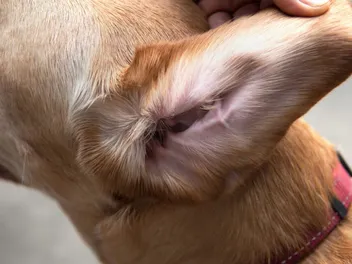
How Prone Are Golden Retrievers to Ear Infections? Vet-Verified Facts & Tips



In this article
An ear infection is one of the most common ailments in dogs. About 20% of all dogs will suffer from one at some point in their lives, and Golden Retrievers are not immune. An ear infection will cause dogs to shake their heads or scratch their ears, have red and swollen ears, and give off a foul odor. This condition is painful for your Goldie and can have serious consequences if left untreated.
Keep reading to learn more about ear infections in this breed, why Golden Retrievers are more likely to get these infections than others, and what you can do to prevent them.

Why Are Golden Retrievers Prone to Ear Infections?
According to the Golden Retriever Club of America, ear infections are the 10th most common confirmed veterinary health condition in Golden Retrievers.1 Other common conditions in this breed include hot spots (52%), food allergies (44%), and flea dermatitis (50%). Fortunately, although ear infections are recurrent, they usually do not lead to complications when treated in time.
There are a few reasons that Golden Retrievers are prone to ear infections:
What Are the Causes of Ear Infections?
Ear infections in dogs can be caused by bacteria or yeast that get trapped inside the dog’s ear canal. These can be environmental factors, like dust, debris, or an allergic reaction to food or flea bites.
Older dogs may be more prone to ear infections because they have weaker immune systems that can’t fight off infections as efficiently.

Signs of Ear Infections in Dogs
Common signs of ear infections in dogs are relatively easy to recognize:
Although ear infections in dogs are common and generally treatable, they can be recurrent. Follow these tips to help reduce the frequency of these infections.
When it comes to understanding the symptoms, verifying a diagnosis, and planning for prevention for your pet, the advice of a licensed veterinarian can be helpful.
Top 3 Tips for Preventing Ear Infections in Your Golden Retriever
1. Have Your Dog Checked Out Regularly
An ear infection could be a sign that something else is going on with your dog. Only by treating these underlying causes can ear infections be prevented. Causes include allergies, objects stuck in the ear canal, hormonal and autoimmune diseases, and tumors. Having your dog checked by the vet early will also help avoid painful complications for your pet, such as a ruptured eardrum, inner ear infection, and even hearing loss.
2. Keep Your Dog’s Ears Clean and Dry
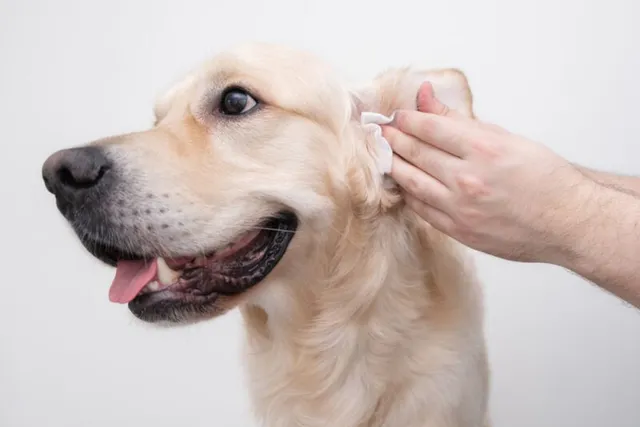
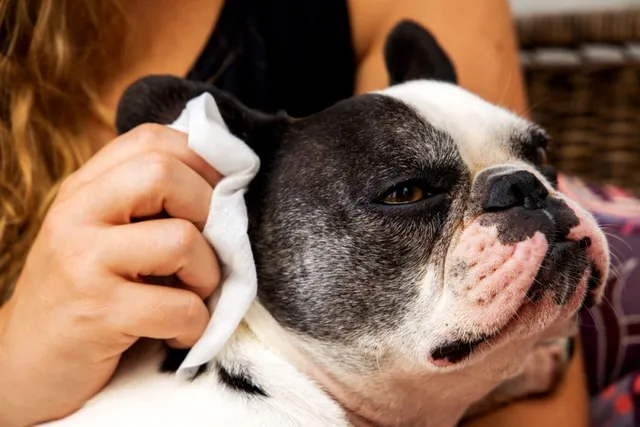
Golden Retrievers have floppy ears, which create warm, moist havens for bacteria. Thoroughly cleaning and drying your Goldie's ears once a week will help prevent bacteria buildup. Use a clean cloth towel to dry the inner ear flap.
Note: To thoroughly clean the ears, use a solution recommended by your veterinarian based on your dog's specific needs, and gently massage the base of the ear with a cotton ball soaked in the solution. Don't use a cotton tip in the ear canal, as this may push wax and debris deeper (and cause your dog pain).
3. Feed Your Dog a High-Quality Diet
Food sensitivities or allergies can predispose some dogs to get ear infections. Check to see if your pup's favorite food contains chicken, wheat, or dairy, as these ingredients can trigger an allergic reaction. You can also ask your veterinarian to recommend supplements, such as probiotics, omega-3 fatty acids, and fish oil, as these can help reduce inflammation caused by skin allergies in your dog’s ears.
Final Thoughts
Ear infections are painful, uncomfortable, and typically recurrent. Golden Retrievers are prone to this condition due to their ear configuration, love of water, and predisposition to thyroid disease and allergies. If you spot any signs of an ear infection in your pup, you should see the vet immediately to prevent it from getting worse.
Fortunately, ear infections are usually easily treated with vet-prescribed antibiotics. There are also things that you can do to keep them from coming back, like feeding your dog a high-quality diet, keeping their ears clean and dry, and treating any underlying cause that may be triggering ear infections.
Featured Image Credit: 135pixels, Shutterstock
Expert dog care, straight to your inbox
Vet-reviewed advice, training tips, and the best of Dogster. Free, and you can unsubscribe anytime.
By signing up, you agree to our Terms & Conditions and Privacy & Cookies Policy.
A biologist and science writer, Genevieve has a special fondness for capuchin monkeys, pumas, and kangaroos, which has inspired her to volunteer and work at wildlife rehabilitation centers in countries like Bolivia, Guatemala, Canada, and Australia. Now living as a Canadian expat in Argentina, she enjoys the sight of horses and cows outside her home office window every morning. Genevieve is the proud owner of three rescue dogs—Lemmy, Nala, and Pochi—and a lively kitten named Furiosa. She finds happiness and fulfillment in sharing her passion and extensive knowledge of animals with others.
Join the conversation
Ask a question, share your story, or send private feedback.