Don't Let the Flesheating Screwworm Fly Screw Up Your Trip to Mexico

In this article
The first confirmed canine screwworm case in the current U.S. outbreak has pet parents and vets on high alert.
If Mexico is on your travel itinerary this year and your dog is coming along for the adventure, there is an important health update you need to know about. On June 8, 2026, the U.S. Department of Agriculture (USDA) confirmed the first New World screwworm case in a dog associated with the current U.S. outbreak, highlighting that this potentially dangerous parasite is not just a concern for livestock. It can also affect the dogs that share our homes, road trips, hiking trails, and family vacations.
The announcement was accompanied by rapidly changing travel guidance, leaving some pet parents wondering whether they would still be able to take their dogs to Mexico. While the uncertainty surrounding travel restrictions has since been resolved, the situation has brought renewed attention to screwworm and the precautions travelers should take before crossing the border.
Screwworm Larvae Eat Live Flesh
New World screwworm is the larval stage of the fly Cochliomyia hominivorax. Unlike many fly larvae (aka maggots) that feed on dead or decaying tissue, screwworm larvae feed on healthy, living tissue.
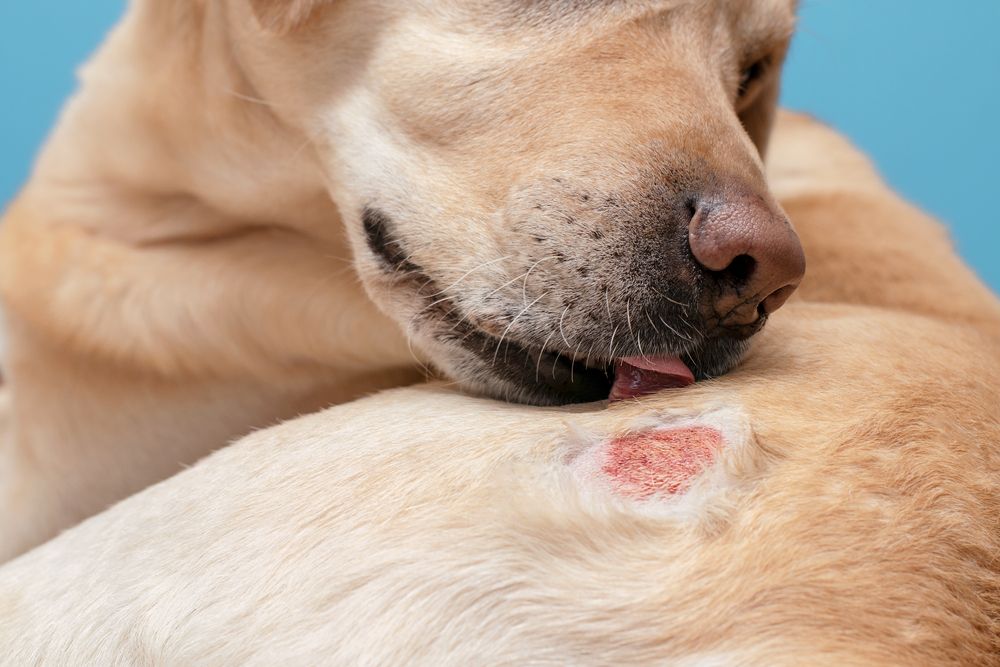
Female flies are attracted to wounds, even surprisingly small ones. A healing surgical incision, a hotspot, a scratch, a tick bite, or a minor cut can provide ample opportunity for the fly to lay eggs. Once the eggs hatch, the larvae burrow into the tissue and begin feeding, causing the wound to become progressively larger and more severe.
This is what makes screwworm such a serious veterinary concern. What starts as a small skin injury can quickly develop into a painful medical condition requiring immediate treatment. Left untreated, the infestation can cause extensive tissue damage and may even become life-threatening.

Why A Single Dog Case Matters
When most people hear about screwworm, they think of cattle ranches, not family pets, and that’s exactly why this news has caught the attention of veterinarians across the country.
According to USDA officials, the affected dog resides in Lea County, New Mexico, but the sample was submitted by a veterinarian in neighboring Texas. For now, this is believed to be an isolated case, but it serves as an important reminder that dogs are susceptible to New World screwworm infestations.
For pet parents, this changes the conversation from an agricultural issue to one that can affect beloved family members. Many dogs travel with their families, spend time outdoors, hike, camp, participate in sporting activities, and explore environments where minor injuries can occur. Under the right conditions, those wounds can attract screwworm flies.
Can Humans Get Screwworm?
Although screwworm is most often associated with livestock, it can affect pets, wildlife, and even people. Human cases are uncommon, but the parasite’s broad host range is one reason animal health officials take new detections so seriously.
Uncertainty For Families Traveling With Dogs
Beyond the obvious health concerns, screwworm also created another problem for pet parents: uncertainty. Families who had already booked dog-friendly hotels, RV trips, beach vacations, and summer getaways suddenly found themselves wondering whether their plans were about to implode.
On June 7, Mexico's animal health authority, SENASICA, announced a suspension on imports of several animal species from the United States following the detection of new screwworm cases. Early reports indicated that pet dogs were included among the affected animals.
The following day, USDA APHIS responded by halting exports of those same animal categories while officials sought clarification from Mexican authorities. For a brief period, many travelers were left asking the same question: Can I still take my dog to Mexico?
Fortunately, the uncertainty was short-lived. On June 10, USDA APHIS updated its guidance, clarifying that pet dog travel to Mexico would continue under previously established procedures. While the broader screwworm situation remains under surveillance, most families can still travel with their dogs as planned.
This episode serves as a reminder that animal health regulations can change quickly when officials are working to prevent the spread of a serious disease. For travelers, checking official requirements before departure has become more important than ever.

What You Need to Know Before Crossing the Border
While travel to Mexico remains possible, there is one important requirement that travelers should not overlook.
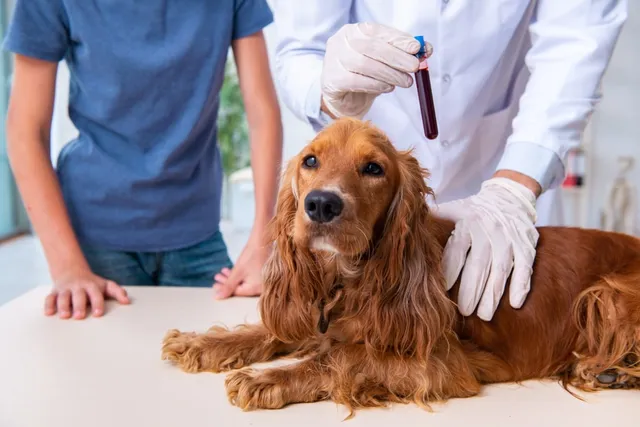
Because Mexico is considered affected by New World screwworm, dogs entering the United States from Mexico must meet USDA screwworm certification requirements. Before crossing the border, dogs must be examined by an authorized veterinarian in Mexico and certified free of screwworm infestation.
Importantly, the examination must take place within five days of the dog's return to the United States. Pet parents should also be aware that not every veterinarian in Mexico is authorized to issue this certification, so it is wise to locate an approved veterinarian before your trip or shortly after arriving at your destination. The Mexican government webpage provides a directory of authorized veterinarians who can issue screwworm freedom certificates in Mexico.
In practical terms, pet parents should schedule a veterinary appointment in Mexico shortly before their planned return date. Taking care of the paperwork ahead of time can help avoid unexpected delays at the border.
Protecting Your Dog During Travel
Fortunately, preventing screwworm exposure largely comes down to good wound management and routine observation.
Before traveling, examine your dog carefully for cuts, irritated skin, healing surgical sites, or other wounds. If your dog recently had surgery or is being treated for a skin condition, speak with your veterinarian about wound management before your trip.
While traveling, perform a quick daily health check. Look for new wounds, excessive licking, unusual swelling, discharge, unpleasant odors, or skin lesions that appear to be getting larger rather than healing. Any wound that seems unusually painful or slow to heal should be assessed by a veterinarian as soon as possible.
These checks take only a few minutes but can make a significant difference in identifying problems early.

Safe Travel Starts With Awareness
The good news is that most dogs traveling to Mexico will never encounter screwworm. Still, this recent case serves as a reminder that even diseases we often associate with livestock can occasionally affect our four-legged family members.
As is often the case, preparation is key. By understanding current travel requirements, checking your dog regularly for wounds, and planning ahead, you can be free to focus on making memories together instead of worrying about paperwork or unexpected health concerns.
After all, every adventure is better when our four-legged family members can safely enjoy it alongside us.
Did You Know?
- Our breaking news articles are included in our weekly emails. Don't miss out on the latest and sign up for our newsletter below!
Expert dog care, straight to your inbox
News, insights, expert advice, and everything dog.

No spam — unsubscribe anytime.
By signing up, you agree to our Terms & Conditions and Privacy & Cookies Policy.
How useful was this post?
Click a star to rate. You can leave written feedback afterwards. (We read all feedback.)
Dr. Paola Cuevas is our Senior In-House Veterinarian at Dogster and Pangolia. She has over 19 years of experience working with an array of species and loves sharing her knowledge and experience with our readers and aims to provide assistance with any issue presented by your non-human family members. She received her degree from the University of Guadalajara, Mexico.
Her passions are animal welfare and preventive medicine, and has skills in the fields of nutrition, microscopy, clinical pathology, diagnostic imaging, and endoscopy. Paola frequently contributes pet care insight to various media outlets like PetMD, The Daily Record, Parents.com, etc.
Paola is also an animal behaviorist with extensive experience in positive reinforcement animal training.