Forget Botox, Think SnoreTox – New Treatment Offers Hope for Dogs
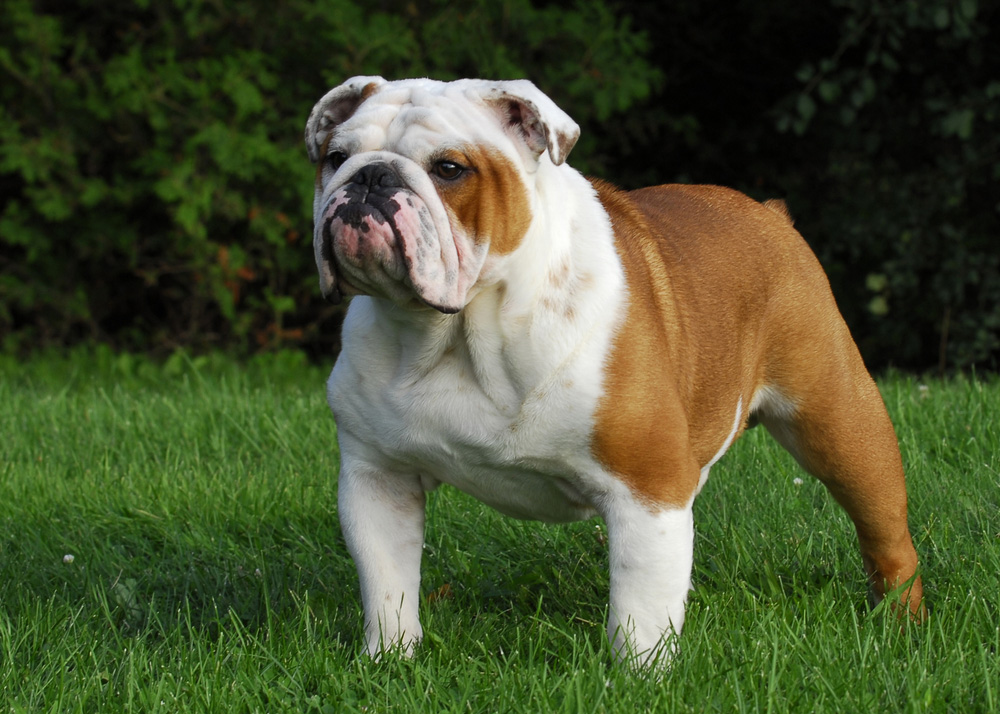
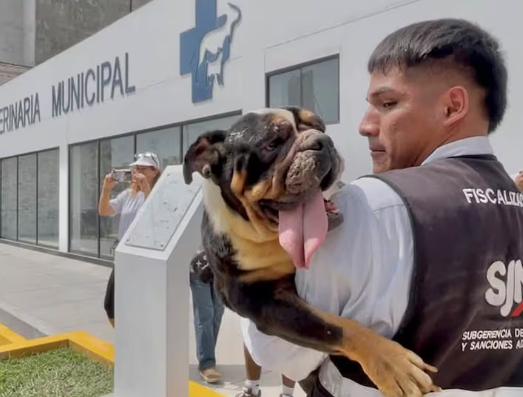
A new injectable treatment developed in Australia could one day help dogs with serious breathing problems breathe more comfortably. Called Snoretox-1, the experimental therapy recently showed promising results in a small study involving six British Bulldogs, with every dog in the study showing improved respiration following treatment.
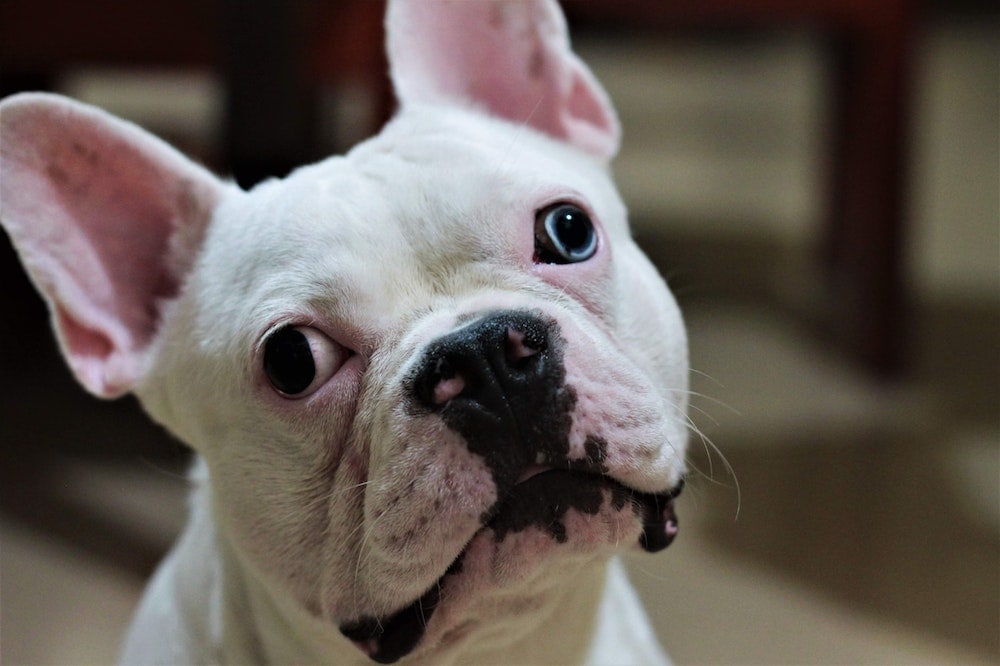
The treatment is being developed to help dogs affected by brachycephalic obstructive airway syndrome (BOAS), a condition commonly seen in flat-faced breeds such as Pugs, French Bulldogs, and English Bulldogs. Although the research is still in its early stages, veterinarians are paying close attention, with breathing difficulties being one of the most significant health and welfare concerns affecting these popular breeds.
That Adorable Snore Isn't Always Harmless

Dogs with moderate to severe BOAS often struggle to get enough air through their narrowed airways. They may snore loudly, tire quickly during exercise, havew trouble coping with heat, or even struggle to breathe while resting. These issues affect their quality of life and shorten their lifespans.
For many of these dogs, surgery is currently the best treatment option. Surgical procedures can help open the airways by widening the nostrils or removing excess tissue that blocks airflow. While many dogs improve after surgery, results can vary, and some continue to have lifelong breathing problems.
That's why researchers are excited about Snoretox-1. If future studies confirm the early findings, the treatment could give veterinarians another way to help affected dogs, either alongside surgery or, in some cases, instead of.
Turning Tetanus Into Treatment
Instead of surgically altering the structure of upper airways, Snoretox-1 is designed to help strengthen muscles that support it.
Researchers describe it as the opposite of Botox, which uses the neurotoxic Clostridium botulinum (botulinum toxin), to cause muscle relaxation. Snoretox-1, on the other hand, uses the muscle-toning properties of tetanus (Clostridium tetani) to make certain muscles stronger. The treatment is injected into muscles in the floor of the mouth that help support the throat and upper airway. By giving these muscles extra strength, researchers hope they can allow the airway to be more open during respiration.
Although we are only just seeing the results of early clinical trials, the technology has reportedly been in development for more than 15 years.

Does It Work?
The study included six British Bulldogs with significant breathing difficulties caused by BOAS. After receiving the treatment, all six dogs showed significant improvement in respiration compared with a placebo. Researchers reported that the benefits lasted anywhere from about five months to just over a year after a single injection1.
The study did identify one possible side effect. If the injection was not placed correctly, some dogs experienced temporary difficulty eating, something that is a key feature of tetanus. However, the issue was linked to the injection technique rather than the treatment itself.
As encouraging as the findings are, it's important to remember that this was a very small study involving only six dogs. Much larger studies will be needed before veterinarians know how safe and effective the treatment is across different breeds and situations. Independent research will also be important, as several of the study authors are involved with the company developing the drug; which imposes a considerable risk of bias.
Why This Matters for Dogs
BOAS affects many popular breeds, including Pugs, French Bulldogs, and English Bulldogs. While many owners view snoring and snorting as normal breed quirks, these sounds can be signs that a dog is struggling to breathe properly.
If future studies confirm these early results, Snoretox-1 could provide veterinarians with another tool to help affected dogs breathe more comfortably and enjoy a better quality of life.

Looking Ahead
Snoretox-1 is not yet available outside clinical trials, and several more rounds of testing will be needed before we know if it is a viable option for use in a clinical setting. Still, the publication of the first peer-reviewed study marks an important milestone, and although the treatment is not a cure, early results offer hope that veterinarians may soon have another tool to help dogs affected by one of the most common health challenges facing millions of brachycephalic breeds.
Feature Image Credit: Sonia Dubois, Shutterstock
Did You Know?
- Our breaking news articles are included in our weekly emails. Don't miss out on the latest and sign up for our newsletter below!
Expert dog care, straight to your inbox
Vet-reviewed advice, training tips, and the best of Dogster. Free, and you can unsubscribe anytime.
By signing up, you agree to our Terms & Conditions and Privacy & Cookies Policy.
Dr. Paola Cuevas is our Senior In-House Veterinarian at Dogster and Pangolia. She has over 19 years of experience working with an array of species and loves sharing her knowledge and experience with our readers and aims to provide assistance with any issue presented by your non-human family members. She received her degree from the University of Guadalajara, Mexico.
Her passions are animal welfare and preventive medicine, and has skills in the fields of nutrition, microscopy, clinical pathology, diagnostic imaging, and endoscopy. Paola frequently contributes pet care insight to various media outlets like PetMD, The Daily Record, Parents.com, etc.
Paola is also an animal behaviorist with extensive experience in positive reinforcement animal training.
Join the conversation
Ask a question, share your story, or send private feedback.