5 Dogs Prone to Ear Infections: Vet-Reviewed Facts & Signs


In this article
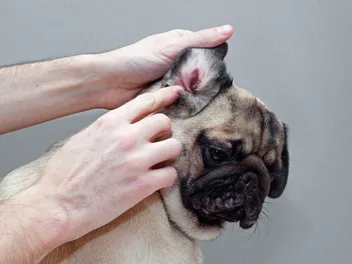
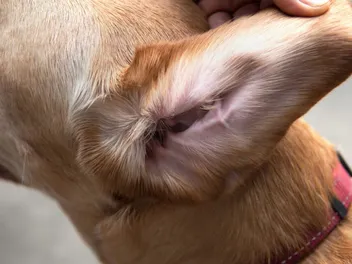
All dogs can get ear infections, but breeds with long, floppy ears are more likely to experience this all-too-common problem. Other dogs prone to ear infections are those with allergic skin disease and those that swim frequently. Although some ear infections can resolve on their own, severe infections can be very painful and can result in hearing loss and other complications if they aren't treated.
Ear infections in dogs are typically caused by bacteria, yeast, or ear mites and can be treated with medications prescribed by a vet. You can prevent ear infections caused by ear mites by giving your dog monthly flea and tick treatment. Keep reading to learn more about the types of dogs that are prone to ear infections and what you can do about it.

Before You Start
There are various types of ear infections: otitis externa, media, and interna. The first type refers to the infection of the outer part of the ear canal. Otitis media refers to the middle (eardrum and nearby structures), and interna refers to the inner part of the ear (cochlea and vestibular apparatus).
The most common type of the three is otitis externa, which is uncomfortable, but if it isn't treated and spreads, it can affect the middle and inner ear canal and cause more serious problems.


The 5 Dog Breeds That Are Prone to Ear Infections
1. Poodle

A Poodle's coat grabs the attention of many. It's gorgeous, comes in various colors, and requires plenty of grooming. The wiry outer hair and the soft undercoat of this breed have many advantages, but Poodles have hair in their ears, which can keep some dirt out but can also do the opposite by trapping dirt and wax in.
Their long ears cover their ear canals, which create a warm environment with little airflow—all the ingredients needed for bacteria and yeast to grow and an ear infection to develop. It's important to focus on a Poodle's ears during grooming since they're prone to ear infections. Check for dirt and remove the hair in your dog's ears, or take them to a groomer to do it if you're not confident doing it yourself.
2. Cocker Spaniel

Like Poodles, Cocker Spaniels often get ear infections due to their hairy ear canals and long, floppy ears that decrease air flow and create a warm environment for bacteria and yeast to thrive.
Cocker Spaniels also love the water and will go for a swim without any persuasion. Moisture in the ear canals is another contributor to ear infections, so be sure to dry your Cocker Spaniel with a towel after a swim and focus on their ears, ensuring no water is left behind.
3. Basset Hound

The Basset Hound has long, floppy ears, which provide plenty of room for moisture retention and bacteria growth. However, their ears can also drag on the ground and become vulnerable to damage, which can also cause ear infections.
Basset Hounds are predisposed to skin problems due to the folds in their skin, which can trap dirt and moisture. Recurrent ear infections can be a sign of allergies.
4. Labrador Retriever

Ear infections are common in Labrador Retrievers, especially those with narrow ear canals or allergies. They're also a breed with floppy ears that cover the canals and prevent good airflow. However, they're known for their love for swimming and diving, putting them at risk of getting water in their ears and suffering from swimmer’s ear infections.
Swimming is a wonderful exercise for dogs and shouldn't be discouraged as long as you're supervising them. However, to avoid an ear infection, you will need to towel dry your dog's ears whenever they take a dip in your pool, the lake, or the ocean.
5. Shar-Pei

Shar-Peis are unique-looking pups known for their heavy skin folds. The folds look cute but trap moisture and can become inflamed easily. Shar-Peis also commonly experience inflammation between their toes, which can be caused by various factors.
Although Shar-Peis don't have long ears, they are also prone to ear infections. Their small, narrow ear canals can become clogged easily and tend to trap moisture and wax. Once debris lands inside a Shar-Pei's ear canal, it's tough to get out.

Other Dogs That Are Prone to Ear Infections
As you may have noticed, dogs prone to ear infections fall into three main categories: dogs with long, floppy ears, dogs that love to swim, and dogs with allergies. Although any dog can get an ear infection, it is more common in the types of dogs listed below.
Dogs With Long, Floppy Ears
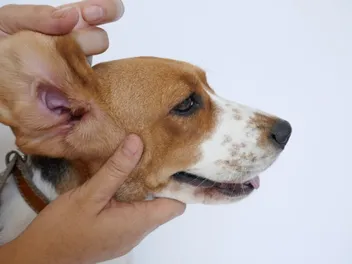
Dogs with long, floppy ears look sweet but have the disadvantage of poor airflow into their ear canals. They also have hairy canals that trap debris.
- Beagles
- Afghan Hounds
- Labradoodle
- Bichon Frise
- Bloodhounds
- Cavalier King Charles
- Cockapoo
- Cavapoo
- Coon Hounds
- Great Pyrenees
- Saint Bernard
- Shih Tzu

Dogs That Love to Swim
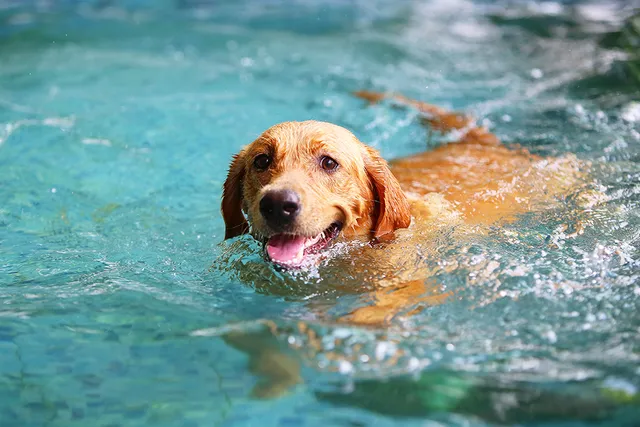
Dogs that spend time in the water and get some of it in their ears can develop ear infections because yeast and bacteria thrive in warm, moist conditions.
- English Setter
- Golden Retriever
- Chesapeake Bay Retriever
- Irish Setter
- Irish Water Spaniel
- Newfoundland
- Portuguese Water Dog
Dogs With Allergies
Dogs that suffer from allergies are more prone to getting ear infections, especially ones that reoccur even after treatment. Dogs that suffer from environmental allergies and are triggered when exposed to dust, pollen, grass, etc., tend to suffer from skin infections that affect the ears. It can also be caused by food allergies.
Dogs with allergies are prone to ear infections because their skin barrier is unhealthy, and they often produce more wax. Allergies can develop in any dog, whether mixed or purebred, but there are a few breeds that are predisposed to developing allergies, such as:
- West Highland White Terrier
- English Bulldogs
- French Bulldogs
- Lhasa Apso
- Pit Bulls
- Golden Retrievers
- Jack Russell Terrier

Signs of an Ear Infection
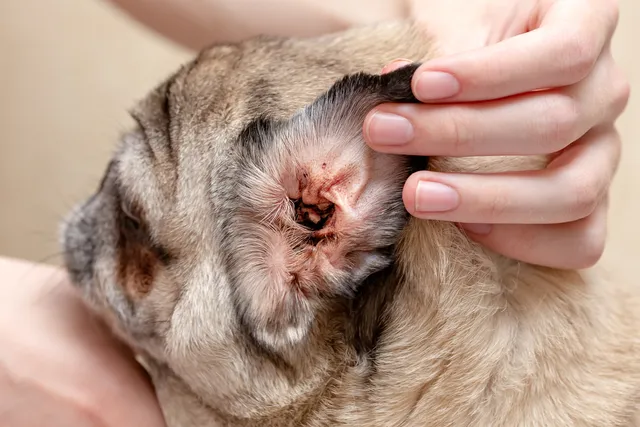
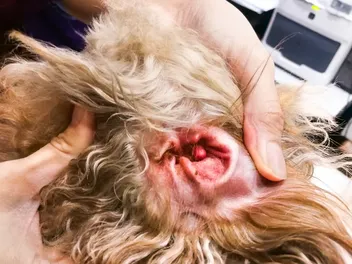
One of the earliest signs of an ear infection in dogs is a buildup of wax and dark discharge. Your dog may have these signs without discomfort, but many dogs struggle with infections and often shake their head and scratch their ears to try to relieve the discomfort and itchiness.
Other signs are:
It's essential to clean your dog's ears regularly to prevent an ear infection from developing. However, cleaning your dog's ears excessively can be just as problematic because it can also put your dog at risk for ear infections.
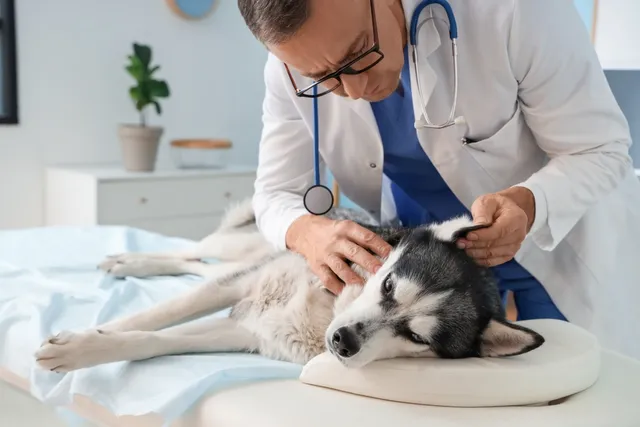
If your dog struggles with any of the signs above, you should take them to be examined by a vet. The vet will give your dog medication to ease the pain and discomfort and stop the infection.
Why Are Ear Infections Common in Dogs?
Ear infections are seen more commonly in dogs than in people due to the shape of a dog's ear canal. Instead of the horizontal structure of a human ear canal, dogs have more of an "L" shape with vertical and horizontal structures. Instead of debris moving straight out the ear canal, as with humans, debris has to move upwards to exit the ear in dogs.

How To Prevent Ear Infections in Dogs
If you have a pup that loves to spend time in the water, you may not be new to ear infections, as moisture in a dog's ear is the ideal environment for the growth of yeast or bacteria. You can prevent ear infections by thoroughly drying your dog and their ears after they get out of the water.
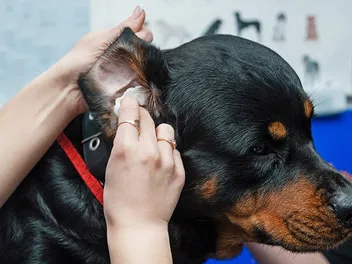
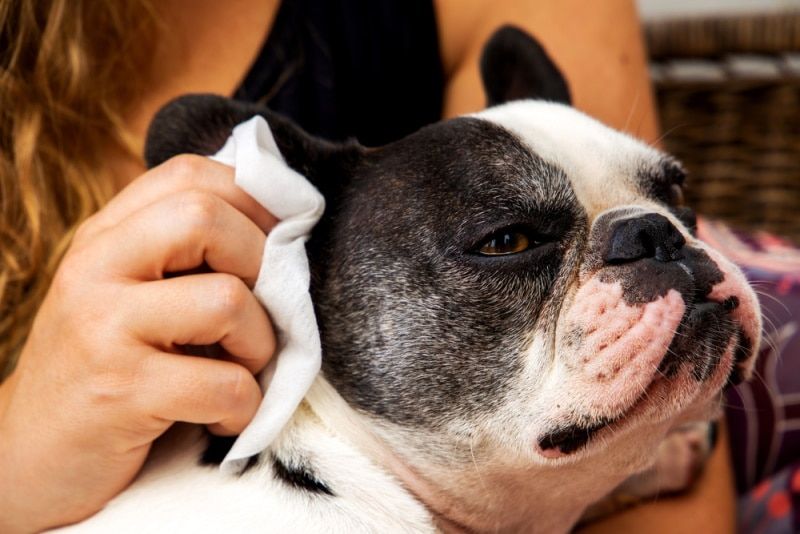
It is necessary to check your dog's ears weekly, and if you see signs of dirt or debris, clean them with a canine ear-cleaning solution from your vet. If your dog suffers from recurrent ear infections, they may have allergies, so it's important to give your vet all the information you have on your dog's health so that they can treat them appropriately.
How to Clean a Dog's Ears
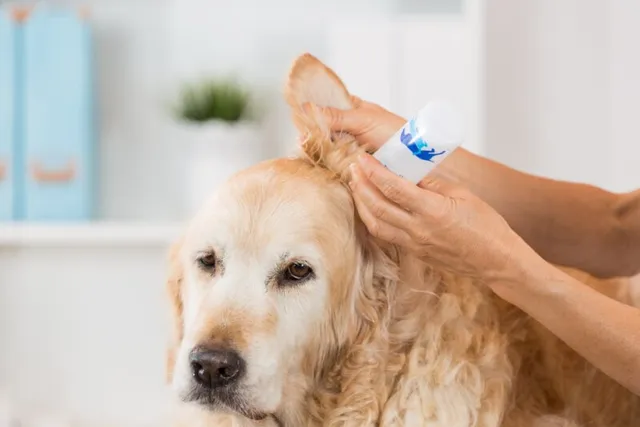
If your dog is cooperative, cleaning their ears will be an easy task. However, if they're anxious or full of energy, you may struggle a bit and need assistance from a friend. Start the cleaning process by calming your dog. A quiet and calm environment is often the best place to clean their ears since they won't be overly stimulated and eager to play. You may also need to use a few treats to hold your dog's attention or to encourage them to sit or lie down.
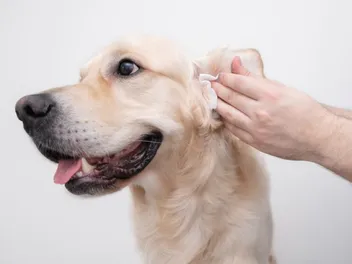
Use the cleaning solution your vet gave you, and without touching the ear, squeeze the solution into your dog's ear until the canal is filled. You can ask a friend to massage the base of the first ear while you fill and massage the second ear canal, as this will speed up the process. Otherwise, you can do one ear at a time if you're alone. Ensure the base of the ear is massaged for about 10 to 20 seconds to break up and loosen any dirt and debris stuck inside.
Step back and allow your dog to shake the solution out of their ears. It can get messy, so you may want to use a towel to clean your dog and the room you're in. Take a cotton ball to your dog's ear canal and wipe away any excess solution or leftover dirt.
Conclusion
A dog of any age can develop an ear infection, regardless of their breed or coat length. However, ear infections often affect three types of dogs: dogs with long, floppy ears, dogs that swim, and dogs that suffer from allergies.
Floppy ears reduce airflow into the canal and trap debris, and dogs that swim often get moisture in their ears, which creates an environment for yeast and bacteria to grow. Those with allergies often suffer from skin irritation and inflammation, which can affect the skin around the ears and lead to ear infections.
See Also:
Can Bearded Dragons Eat Potatoes? Vet Approved Nutritional Guide
How to Prevent Ear Infections in Dogs After Swimming: 10 Vet-Approved Tips
Featured Image Credit: ADVTP, Shutterstock
Expert dog care, straight to your inbox
News, insights, expert advice, and everything dog.

No spam — unsubscribe anytime.
By signing up, you agree to our Terms & Conditions and Privacy & Cookies Policy.
How useful was this post?
Click a star to rate. You can leave written feedback afterwards. (We read all feedback.)
Keri-Beth is a freelance writer from South African who specializes in animals. She has grown up with a range of pets, volunteered at many shelters, and is highly passionate about pet care. Currently, Keri-Beth is raising two dogs - Benji, the Golden Cocker Spaniel, and Gracie, the Boerboel. With so much information out there, Keri-Beth has made it her questo to make pet care as easy and straightforward as possible for any pet parent in the world.
In her spare time, Keri-Beth enjoys photography, camping, and spending time with her husband, who is a professional drummer.