How to Help a Rescue Dog Settle In: 10 Vet-Approved Tips


Adopting a rescue is a hugely fulfilling way to bring another pet into the family and one that becomes even more satisfying as your dog acclimates to their new environment. Rescues can be nervous coming into a new home. With many coming from backgrounds of neglect, abuse, or a lack of socialization, they’re often slow to develop trust, optimism, or an outgoing attitude, requiring more work from owners when introducing them to the home.
But if you’re thinking, “My rescue dog is stressing me out!”, you may be wondering how you can make the situation better. Though it doesn’t happen without a few hurdles, seeing your rescue dog build confidence and happiness in their life makes it worth every effort. To show your latest family member the joys of their new home and make the transition as seamless as possible, follow these 11 tips to help your rescue dog settle in.

The 10 Tips for Helping a Rescue Dog Settle In

Bringing a rescue dog home and helping them get used to the new space and stimuli requires focusing on the three P’s — patience, positivity, and preparation. All dogs are different. While yours may quickly settle in, you should anticipate the possibility of random stress-inducing triggers and a lengthy adjustment period. Your ability to work through the acclimation process depends on how you set your dog up for success.
1. Secure Your House and Property
A stressed dog can engage in undesirable behaviors and escape attempts in an unfamiliar environment, so you must consider how your home promotes that behavior.
Secure anything that might be problematic. Put shoes, power cords, and other chewables out of reach. Fix any escape points in your backyard fence and remove potentially harmful vegetation. If you have stairs or worry about your dog having poor interactions with incoming guests or other pets, you may want to set up dog gates or pens at strategic points to control where they can go.
2. Create a Safe Area

Before bringing your rescue dog home, create a safe area in the house as a base. Make it a place other pets and people are unlikely to enter, like a spare bedroom. Give your dog everything needed to stay cozy, including a bed and toys. Offer treats as your dog explores their space to make it rewarding in their mind and keep them eager to return to it.
A crate can be an excellent idea for your rescue dog. Make it a rewarding area by feeding your dog meals there, giving them high-value toys they can only get in the crate, and offering treats when they enter. Adapting to the crate will ease house-training and can help prevent separation anxiety as your dog gets used to your work schedule.
Everything can be overwhelming and scary for a rescue dog in an unfamiliar area, making them nervous and hesitant. By setting up this stress-free space, you give them at least one place to feel comfortable before expanding to the rest of the house.
3. Show Your Dog the Rest of the Home
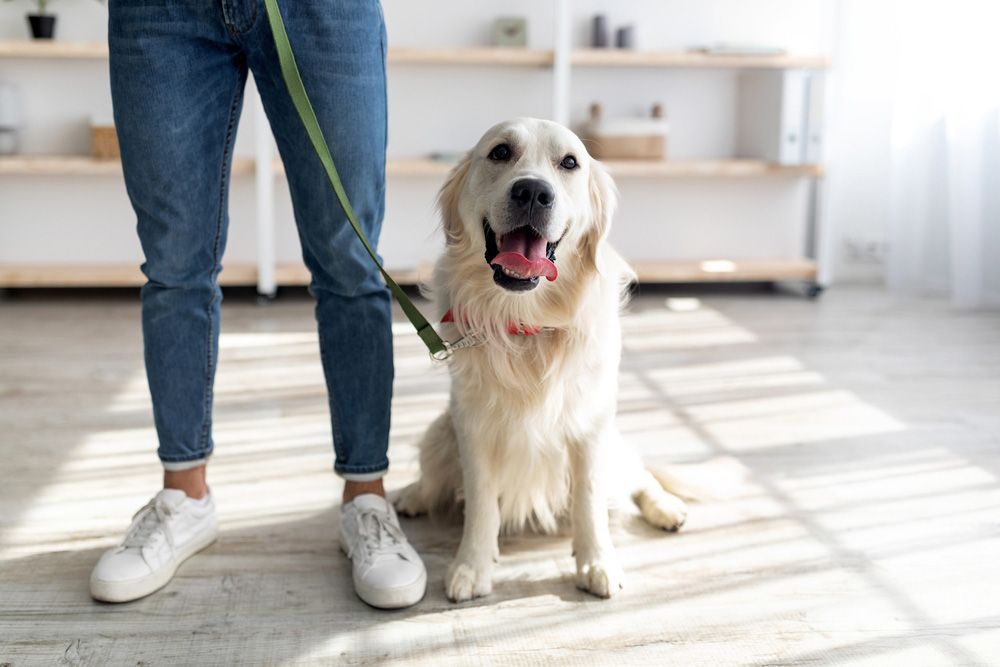
Put your dog on their leash and walk them around the house and yard. Go one room at a time, preparing each beforehand so there isn't too much stimulation or known triggers in them. Be calm and quiet as you lead them around to avoid overstimulating them. After showing them the house, you can take your dog to their safe space and let them explore off-lead, closing doors and gates around the house to control access.
Monitor your dog’s actions and body language, and calmly take them back to their safe space if they get stressed. Give your dog treats for staying calm as you introduce new areas, helping them make positive associations with the space.
4. Introduce Other People and Pets Slowly

Getting your family on board with being patient and keeping their distance will be essential in stopping a skittish shelter dog from becoming overwhelmed and unduly fearful.
Have family members introduce themselves one at a time. If your dog starts showing signs of agitation, indicating that they might bark, lunge, or snap, have the other person walk away and let your dog move back as they desire. Again, offer treats and praise for calm, non-aggressive behavior as you introduce others to desensitize your dog to them and help them relax.
5. Don’t Force Actions or Interactions
Part of your positive and reward-based approach to helping your dog settle in involves allowing decision-making and avoiding coercion. Making your dog do something they don’t like can be stressful and have the opposite effect of what you want when trying to desensitize them.
Rather than calm them down, forcing behaviors and interactions can make your new dog feel helpless, trapped, and scared. They’ll create negative associations with the stimulus you’re presenting, causing them to avoid it later.
When introducing new people or engaging your dog, let them choose to approach or withdraw. They’ll do what they need to feel safe. If you allow the chance to retreat, they’ll be less likely to resort to aggression to get out of the situation and view the experience more positively, making them more open to future interactions.
6. Create a Routine

Dogs thrive with routines. They enjoy predictability as much as you, finding comfort and security in knowing how the day will pan out.
Form a practical routine as quickly as possible. Feed your dog, give them naps, play with them, and take them on walks at the same time daily, using the same rituals as you go. Your dog will be less anxious about what’s happening around them and improve their attachment to you as you repeat the routine and make it more reliable.
7. Provide Loads of Enrichment
Enrichment is one of the best ways to make a rescue dog feel comfortable, promote desirable behaviors, and increase confidence. Nosework and other mentally stimulating activities that engage your dog’s instincts will keep them docile and reduce feelings of stress or separation anxiety.
Make mealtime a game with foraging devices like snuffle mats and slow-feeding bowls. Give your dog food-filled Kongs and long-lasting chews. You can also try DIY enrichment, like rolling treats up in a towel for your dog to unravel or playing hide-and-seek with treats around the room. Get creative and offer variety to keep your dog engaged.
8. Keep Things Calm

If your new family member is having trouble settling in and you feel stuck in a “my rescue dog is stressing me out” phase, there are some additional tools that you can use to promote relaxation and calmness, and reduce anxiety. A few options to consider include:
- Dog-appeasing pheromone diffusers
- Soft background music, especially classical
- Calming supplements, there are a wide variety available, discuss the most suitable option with your vet
9. Schedule Play and Exercise
Playtime, walks, jogs, and other exercise should be an essential part of your daily routine with your dog. Alongside the bonding opportunity these shared activities offer, keeping your dog in shape and tiring them physically can substantially benefit their mental and emotional health.
Generally, regular physical activity makes for a more relaxed, obedient dog and fewer problem behaviors from stress, fear, or boredom. A routine featuring walks, tug-of-war, and games of fetch suitable for your dog’s breed can help them to bond with you and settle into their new home.
10. Use High-Value Treats

The treats you offer must be enticing enough to sway your dog toward desirable behavior. Unfortunately, it can be a tricky task if your rescue has had bad experiences that put a high value on behaviors such as aggression, aloofness, and avoidance.
Dogs will choose habits that give them the best chance of survival and the most benefit. With an extra-tasty treat, you can make new experiences seem incredibly rewarding. You’ll counter-condition your dog to stressors and help them overcome fears more easily.
The top dog treats tend to be hunks of meat or cheese, but you can test your pet's preference to find the best rewards for them. Choose a few treats, line them up at the end of a hall, and let your dog get them, watching to see which ones they go for first. With a few trials, you should be able to discover which ones they prefer.

Final Thoughts
Patience and positivity are more crucial than anything when bringing home a rescue dog. Dogs can easily become overwhelmed, and new owners may overestimate a dog’s obedience, ability to adapt, or desire to bond, leading many to relinquish them when they don’t meet expectations. It can take several weeks or even months to make meaningful strides, but finding reasons to reward your dog and going slow enough to keep them relaxed will reveal their full potential in no time. Always seek advice from your vet or an animal behaviorist if you need some extra help and support.
Featured Image Credit: Prostock-studio, Shutterstock
Expert dog care, straight to your inbox
Vet-reviewed advice, training tips, and the best of Dogster. Free, and you can unsubscribe anytime.
By signing up, you agree to our Terms & Conditions and Privacy & Cookies Policy.
Nicole has loved animals of all sizes her whole life so it's no wonder she has dedicated her career to helping them through what she loves best: learning, writing, and sharing knowledge with others. She’s the proud mom of two dogs, a cat, and a human. With a degree in Education and 15+ years of writing experience, Nicole wants to help pet parents and pets around the planet to live happy, safe, and healthy lives.
Join the conversation
Ask a question, share your story, or send private feedback.