Ask Dr. Paola - Help! How Do I Break the Cycle of Ear Infections? (July 13, 2026)
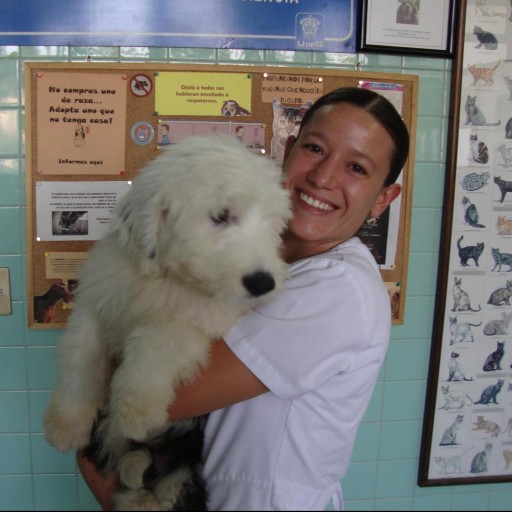
Welcome to our "Ask Dr. Paola" series, where every Monday we bring expert advice straight from Dr. Paola Cuevas (MVZ) to help our readers better understand their dog's health and well-being.
Whether you're a new pet parent or a seasoned dog lover, Dr. Paola is here to provide answers to your most pressing questions. From nutrition tips and preventive care to troubleshooting common behavioral issues, Dr. Paola is ready to offer insights that will keep your furry friend happy and healthy. Stay tuned for expert guidance on a range of topics that matter most to you and your dog, so you can make informed decisions and provide the best possible care for your canine companion. Have a question? Send it in here!

Help! How Do I Break the Cycle of Ear Infections?
“Dear Dr Paola,
I've had my best friend Rebel since he was less than a year old. He's now going on 8 years old and has started having recurring ear infections that the vet said were caused by yeast due to his food. I've changed his diet, used the meds, and it'll go away for a week and come right back, in one ear or the other. I treat it, and the cycle continues. What am I doing wrong? How do I get my baby boy better, permanently?”
- Leiha
Dear Leiha,
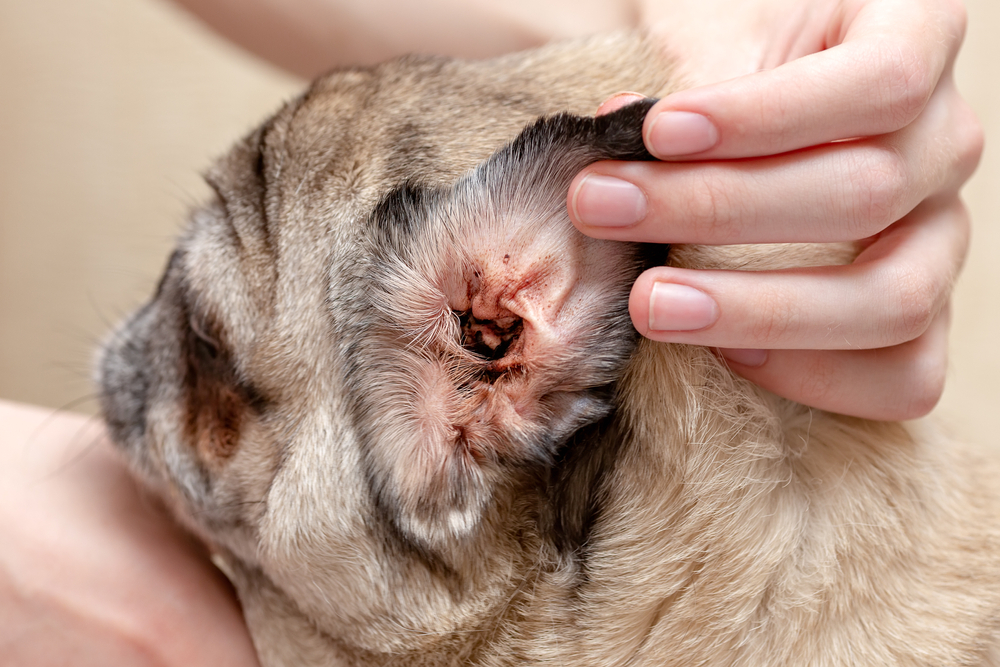
Recurrent ear infections can be incredibly frustrating, and I completely understand why you're worried about Rebel. The good news is that this pattern usually means there is an underlying cause that has not been fully addressed, rather than anything you are doing wrong. While food allergies can contribute to recurrent ear infections, they are often only one piece of the puzzle.
Environmental allergens are a more common cause of recurrent ear inflammation in dogs, and factors like ear shape, excess moisture, underlying skin disease, endocrine disorders, ear mites, or even small growths inside the ear canal can create the perfect environment for yeast to thrive.
Think of the yeast as weeds in a garden. You might pull the weeds or use chemicals to kill them off, but if the soil conditions stay the same, they are likely to grow right back. For dogs with chronic ear infections, it is also important for the veterinarian to examine ear samples under a microscope each time and, in persistent cases, consider a culture to confirm exactly which organisms are present and which medications are most effective. It’s also important to have a thorough re-examination at the end of a course of treatment to make sure there is no trace of infection remaining.
Simply changing a dog's food is often not enough to diagnose or manage a food allergy. Many over-the-counter diets contain trace amounts of ingredients from other protein sources due to manufacturing processes, which can be enough to trigger an allergic response in sensitive dogs. In addition, if Rebel is receiving treats, flavored medications, table scraps, dental chews, or supplements, he may still be exposed to the ingredient causing the problem. That is why veterinarians typically recommend a strict elimination diet trial using a prescription hydrolyzed protein or novel protein diet for 8 to 12 weeks, with no other foods during that time. This is currently the most reliable way to determine whether food is truly the culprit.
If Rebel completes a proper diet trial and the ear infections continue, it becomes much more likely that another underlying condition is driving the inflammation, with environmental allergens being the leading possibility. Allergies to pollen, dust mites, molds, or grasses commonly affect the ears, and these dogs often need long-term allergy management rather than repeated courses of ear medication alone. Working with your veterinarian, or a veterinary dermatologist if needed, to identify and manage the underlying cause gives Rebel the best chance of breaking this cycle. Many dogs with chronic ear disease can enjoy healthy, comfortable ears once the root problem is identified and treated, rather than simply addressing each infection as it appears.
All the best,
- Dr Paola
This article is a part of our weekly Ask Dr. Paola series
Expert dog care, straight to your inbox
Vet-reviewed advice, training tips, and the best of Dogster. Free, and you can unsubscribe anytime.
By signing up, you agree to our Terms & Conditions and Privacy & Cookies Policy.
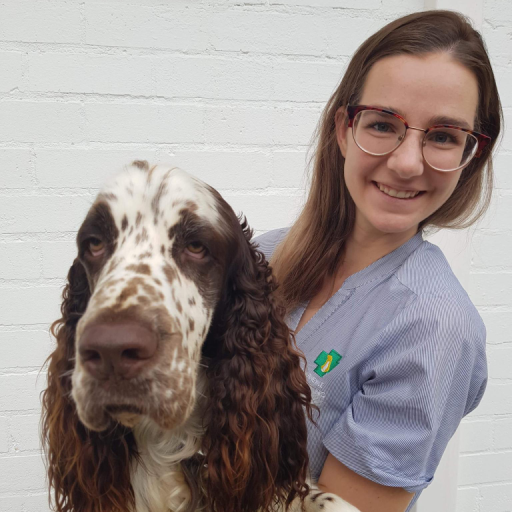
Dr. Paola Cuevas is our Senior In-House Veterinarian at Dogster and Pangolia. She has over 19 years of experience working with an array of species and loves sharing her knowledge and experience with our readers and aims to provide assistance with any issue presented by your non-human family members. She received her degree from the University of Guadalajara, Mexico.
Her passions are animal welfare and preventive medicine, and has skills in the fields of nutrition, microscopy, clinical pathology, diagnostic imaging, and endoscopy. Paola frequently contributes pet care insight to various media outlets like PetMD, The Daily Record, Parents.com, etc.
Paola is also an animal behaviorist with extensive experience in positive reinforcement animal training.
Join the conversation
Ask a question, share your story, or send private feedback.