How Prone Are Golden Retrievers to Skin Issues? Vet Approved Facts & Care Tips



The Golden Retriever is an incredibly loyal and intelligent breed that always sits high on the list of most popular dog breeds in the country. These incredible dogs come to mind when you think of the perfect family pet.
Like most purebred dogs, Golden Retrievers are prone to certain health conditions and skin issues are one of the most common ailments Golden Retrievers are prone to suffering from. This is because Golden Retrievers are highly susceptible to suffering from allergies.
In this article, we will learn more about the various skin conditions that can plague your Golden Retriever, how to identify symptoms, and the diagnosis and treatment process for each.

The 3 Most Common Skin Issues of the Golden Retriever
1. Atopic Dermatitis
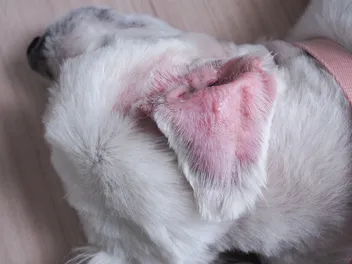
Atopic dermatitis is one of the most common skin conditions observed in Golden Retrievers. This is a heritable, chronic condition that causes an inflammatory response in the skin due to exposure to various allergens such as dust, mold, pollen, and many other environmental allergens as well as food allergies.
Dogs will typically begin showing symptoms of allergies between 1 and 6 years of age. Atopic dermatitis may be so mild at first that it goes unrecognized until symptoms become more prevalent and intense. The most affected areas are the ears, feet, underbelly, around the eyes, muzzle, groin, the best of the tail, and where the legs meet the torso.
Signs
Diagnosis
Diagnosis of atopic dermatitis can be done during a physical examination. Your veterinarian will go over your dog’s medical history and attempt to find a pattern related to the allergy symptoms. Testing can be completed to confirm the presence and origins of allergies, but this isn’t always necessary.
Testing can include skin samples, intradermal testing, and even blood tests. Your veterinarian may recommend treatment as opposed to advanced allergy tests.
Treatment
Atopic dermatitis that results from environmental allergens cannot be cured but many things can be done to manage the symptoms and make your Golden Retriever more comfortable. If the allergies stem from a food source, you can remove the allergen from their diet.
Treating Environmental Allergies
Environmental allergies can be managed in several different ways. The best option for your Golden Retriever will depend on which allergens are causing the symptoms. Treatment ranges from allergy medications, hypo-sensitization therapy, and regular medicated baths.
Prescription steroids, antifungals, or antibiotics may also be provided to help manage symptoms and any secondary infections that result from the allergy.
Treating Food Allergies
If your golden is suffering from food allergies, you will first need to identify the particular allergen(s) that are causing these symptoms. This is typically done through an elimination diet that is supervised by your veterinarian. Food allergies result in symptoms that can go above and beyond skin irritation. You may also notice digestive upset and changes in bowel habits.
Your dog will be fed a hypoallergenic diet for 8 to 12 weeks, which includes no extra treats, supplements, or certain flavored preventative medications. If symptoms resolve during the food trial but return once you reintroduce normal food, they certainly have a food allergy.
During this process, your veterinarian will have food reintroduced slowly to help you determine which is resulting in allergy symptoms. Common allergens include proteins, especially from dairy products, beef, chicken, eggs, soy, and wheat gluten. Once the allergen is identified that ingredient should be removed from your dog’s diet permanently.
There are blood tests that can be performed to assist with food allergy diagnosis, but these tests may not be as effective as the food elimination trials.

2. Flea Allergy Dermatitis
Flea allergy dermatitis is a severe reaction to the proteins in flea saliva that results from a flea bite. Golden Retrievers have been known to suffer from this condition and it can vary in severity. Some dogs may be so sensitive to this allergen that symptoms can result from a single bite.
Signs
Diagnosis
Diagnosis of flea allergy dermatitis is typically done through a physical examination and the subsequent presence of fleas. Intradermal allergy tests or specialized blood tests can also be utilized to confirm the condition, which can also confirm other potential allergens.
Treatment
The only way to treat flea allergy dermatitis is to completely remove fleas from your dog. All animals in the home will need to be treated with flea control medication that can easily be prescribed by your veterinarian.
It’s best to use a medication that is effective in treating fleas at all life stages, as they can be a difficult parasite to eliminate. Make sure to vacuum and clean the home thoroughly and consider treatment if necessary. Make sure to keep all pets up to date on all flea preventatives.
In addition to flea treatment, your veterinarian may also prescribe additional medication to help alleviate symptoms or treat any secondary infections that have resulted from the condition. Medications can include antibiotics, steroids, or antifungals.
If you are concerned about the health and well-being of your pet, we recommend getting in touch with a vet for guidance.
3. Hot Spots
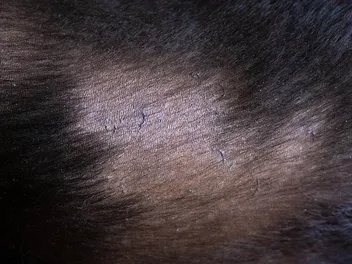
Hot spots are commonly observed in Golden Retrievers. Also known as pyotraumatic dermatitis or acute moist dermatitis, hot spots are inflamed, painful open lesions that can be found anywhere on the body but most commonly on the head, legs, or hip area.
Hot spots are very itchy and may contain pus or ooze. With a Golden Retriever’s dense coat, they may go unnoticed at first. They are typically the result of excessive scratching associated with allergies, parasites or other insect bites, and ear infections.
Signs
Diagnosis
Hot spots can easily be diagnosed through clinical evaluation by a veterinarian. They will go over your dog’s medical history and observe behaviors that could be underlying factors in the diagnosis. A skin scrape may be warranted to potentially identify parasites.
Treatment
Treatment for hot spots involves clipping the fur near the affected area and cleaning it with an antiseptic solution. It may be recommended the dog is bathed in chlorhexidine shampoo as well. Either oral or topical antibiotics are typically prescribed to treat any secondary bacterial infections.
Topical steroids may be administered to help get control of the inflammation and decrease the bothersome itching the dog is experiencing. An Elizabethan collar may be necessary to prevent the dog from bothering the area and further trauma while it heals.
The hot spot will be treated along with the underlying cause of the condition. In Golden Retrievers, hot spots are typically the result of severe allergies.

Conclusion
Golden Retrievers are highly susceptible to skin conditions, most of which are directly related to their predisposition to allergies. Not only is the breed prone to environmental allergies and food allergies that can result in atopic dermatitis, but they also commonly suffer from flea allergy dermatitis.
All these skin conditions can lead to hot spots, which must be treated in conjunction with the underlying cause.
Sources
Featured Image Credit: 135pixels, Shutterstock
Expert dog care, straight to your inbox
News, insights, expert advice, and everything dog.

No spam — unsubscribe anytime.
By signing up, you agree to our Terms & Conditions and Privacy & Cookies Policy.
How useful was this post?
Click a star to rate. You can leave written feedback afterwards. (We read all feedback.)
I am a wife, mother, nature enthusiast, animal lover, and business major. I was born and raised in Ohio but now live in Tulsa, Oklahoma. We share our home with a German Shepherd, several snakes, tarantulas, and a couple rescue cats.
My husband and I enjoy traveling the US with our kids and photographing wildlife. My passion is to educate others on the importance of proper animal care, with an emphasis on reptiles and exotics since their care requirements can be much more complex. I am also a huge advocate for bully breeds. I feel most at home in the forest either on horseback or in hiking boots.