What to Do If Your Dog Eats Glass & How Vets Will Help


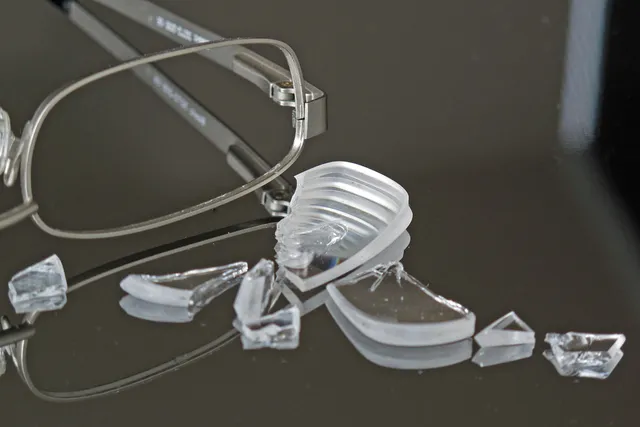
It happens in a blink. One minute you’re cleaning up a broken jar, and the next your dog swoops in like a furry vacuum. Before you can react, you’re left wondering if they just swallowed glass… and what on earth to do next.
Glass ingestion is definitely one of those pet parent heart-stopping moments. The risks can range from mild to life-threatening, and knowing what to expect can help you act quickly and confidently. In this guide, we’ll walk you through the potential dangers, what signs to watch for, and the steps vets take to help dogs who ingest glass.

What Happens If a Dog Eats Glass?

1. Sometimes Nothing Happens
Believe it or not, there are rare cases where smooth pieces of glass travel through the digestive tract and come out the other end without causing significant harm. This tends to happen when the ingested pieces are more like rounded or smooth-edged fragments.
A dog might experience some mild abdominal discomfort, but the glass can pass naturally. Still, because you can’t know whether the glass is smooth or sharp, you should always consult your vet.
2. The Glass Gets Stuck in the Esophagus
A shard of glass may lodge in the esophagus before it ever reaches the stomach. This is extremely uncomfortable and often triggers symptoms like drooling, gagging, coughing, vomiting, or even bringing up blood.
A dog with esophageal obstruction may refuse food or water. In some cases, complications inside the chest cavity can develop, such as mediastinitis or pneumothorax. If you see these signs, veterinary care is urgent.
3. Cuts or Damage Inside the Intestines
If glass makes it into the intestinal tract, it can slice the delicate inner lining. These cuts are painful and create pathways for infections to develop.
You may notice signs of internal bleeding, such as blood in the vomit, blood in the stool, or dark tarry feces that indicate digested blood. These symptoms deserve immediate attention.

4. Intestinal or Stomach Perforation
Sharp shards can be pushed through the stomach or intestinal wall as these organs move. When this happens, digestive fluids, bacteria, and food leak into the abdomen, triggering severe inflammation known as peritonitis.
If bacteria are involved, it becomes septic peritonitis, which is extremely serious. Dogs may show abdominal pain, fever, or fluid buildup in the belly. Complications like sepsis and systemic inflammatory response syndrome can follow quickly.
5. Internal Bleeding
Glass can slice into blood vessels at any point during digestion, causing internal bleeding. Depending on where the vessel is damaged, bleeding can occur into the gut, abdomen, or chest.
Dogs experiencing blood loss may develop pale gums, rapid breathing, or an elevated heart rate. These symptoms require immediate veterinary care.
How Vets Remove Glass From a Dog
1. First Step: X-rays to Find the Glass
Because glass shows up clearly on X-rays, your vet will usually begin with imaging. This helps determine how much glass is present, how large the shards are, and where they’re located.
Once the vet understands the situation, they’ll recommend the safest and most effective treatment plan.
2. Letting the Glass Pass Naturally
In some cases, especially when the glass appears small and less sharp, your vet may advise allowing it to pass on its own. A high fiber diet can help bulk up the stool, padding the shards and making movement through the digestive tract a little safer.
Most foreign material moves through within one to two days, though it can sometimes take longer.

3. Endoscopic Removal
If the glass is still in the esophagus or stomach, endoscopy is often the preferred method. During this procedure, your dog is placed under anesthesia while a flexible device with a camera and grasping tools is guided down the throat.
Endoscopy can retrieve the glass without major surgery, making it a less invasive option.
4. Surgery When Necessary
If endoscopy isn’t possible or the glass has traveled beyond the stomach, surgery may be required. Surgery carries more risk and requires a longer recovery, but it is sometimes the only safe way to prevent perforation or remove dangerous shards.
When compared to the consequences of untreated intestinal perforation, surgical removal is the safer path.
Wrap Up
When your dog eats glass, it’s alarming, but you don’t have to face the situation alone. A vet can determine exactly where the glass is and choose the safest way to help your dog.
With quick action and proper medical support, most dogs recover well. Trust your instincts, stay calm, and get your pup the care they need.
Feature Image Credit: Gismo2015, Shutterstock
Did You Know?
- Our brand-new posts are rounded up and included in our weekly emails. Don't miss out on the latest - sign up for our newsletter below!
Expert dog care, straight to your inbox
News, insights, expert advice, and everything dog.

No spam — unsubscribe anytime.
By signing up, you agree to our Terms & Conditions and Privacy & Cookies Policy.
How useful was this post?
Click a star to rate. You can leave written feedback afterwards. (We read all feedback.)
Dan has been working in the dog world for over 4 years, covering dogs and all other pets, helping pet parents keep their companions happy, healthy, and totally spoiled! Originally from London, Dan now works remotely, which sadly means no pets at home, but plenty of opportunities to fuss over other people's furry friends.