How Structured Puppy Training Sets the Foundation for a Well-Behaved Dog
In this article
Bringing a puppy into your home is exciting, but it also comes with important responsibilities that shape your dog’s behavior for years to come. Without proper guidance, puppies can quickly develop habits that are difficult to correct later. That is why many owners choose puppy training services by Train Walk Poop to create structure, consistency, and clear expectations from the very beginning.
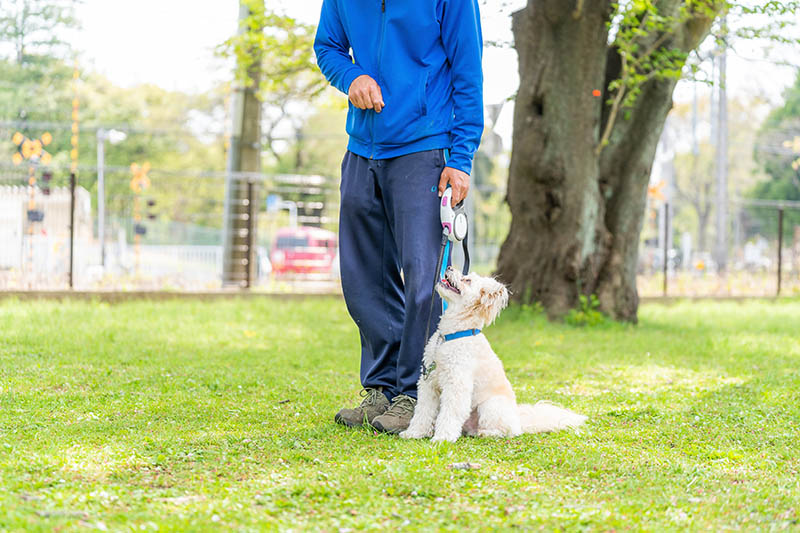
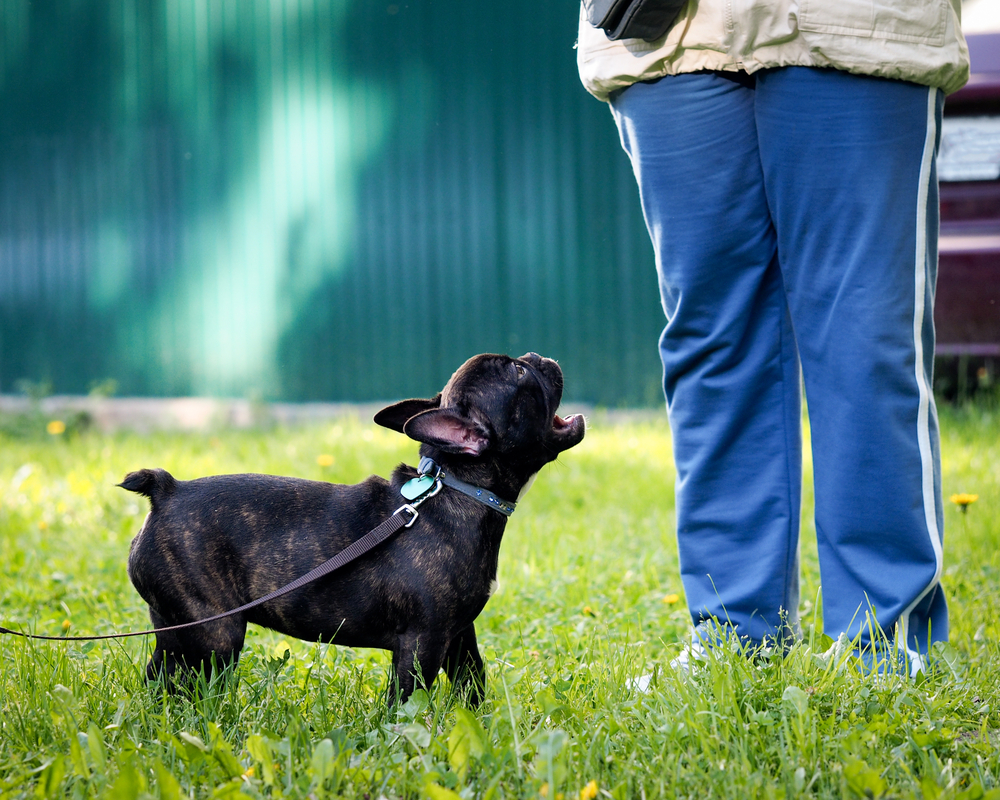
Structured puppy training is not just about teaching commands. It focuses on building communication, reinforcing positive behavior, and helping puppies understand how to interact with people and their environment. When done correctly, it creates a strong foundation that supports a calm, confident, and well-behaved adult dog.

Early Structure Helps Puppies Understand Expectations and Build Good Habits From the Start
Puppies are constantly learning, especially during their early development stages. Without structure, they may develop unwanted behaviors such as jumping, biting, excessive barking, or ignoring commands. These behaviors often form because the puppy does not understand what is expected.
Structured training introduces clear rules and routines that guide the puppy’s behavior. Consistent commands, timing, and reinforcement help the puppy connect actions with outcomes. Over time, this creates predictable behavior patterns and reduces confusion.
When puppies learn early, they are more likely to:
- respond reliably to commands
- develop impulse control
- adapt more easily to new situations
This early structure sets the tone for long-term behavior and prevents small issues from becoming bigger problems.

Consistency and Repetition Reinforce Learning and Prevent Confusion in Puppies
One of the most important elements of structured training is consistency. Puppies learn through repetition, and inconsistent training can lead to confusion. For example, if a behavior is allowed one day but corrected the next, the puppy may struggle to understand what is acceptable.
Structured programs focus on consistently repeating commands and behaviors. This helps reinforce learning and ensures that the puppy clearly understands expectations. Training sessions are typically short and repeated regularly to maintain focus and retention.
Consistency also extends beyond training sessions. Owners are taught how to apply the same rules at home, which strengthens the training process. When both the trainer and the owner follow the same approach, the puppy learns faster and more effectively.
Socialization in Structured Training Builds Confidence and Reduces Fear-Based Behaviors
Socialization is a key part of puppy training that helps dogs become comfortable in different environments. Puppies that are not properly socialized may develop fear, anxiety, or reactive behavior when exposed to new situations.
Structured training programs provide controlled opportunities for puppies to interact with other dogs, people, and environments. These experiences are carefully managed to ensure they are positive and safe.
Benefits of proper socialization include:
- increased confidence in new environments
- improved behavior around other dogs
- reduced fear and anxiety
By introducing new experiences gradually, structured training helps puppies develop into well-adjusted dogs that can handle everyday situations calmly.

Professional Training Provides Guidance and Techniques That Improve Learning Efficiency
While many owners attempt to train their puppies on their own, professional training offers a level of expertise that can significantly improve results. Trainers understand how dogs learn and use proven methods to guide behavior clearly and effectively.
Structured programs are often tailored to each puppy’s needs, taking into account personality, energy level, and behavior challenges. This personalized approach ensures that training is both efficient and appropriate.
Professional trainers also help correct mistakes that owners may not recognize. For example, timing, tone, and reinforcement techniques all play a role in how quickly a puppy learns. Having expert guidance helps ensure that these elements are applied correctly.
Training Programs Also Teach Owners How to Maintain Structure and Reinforce Good Behavior
A key part of successful puppy training is educating the owner. Without proper guidance, even well-trained puppies can revert to unwanted behaviors once they return home. Structured programs focus on teaching owners how to continue training consistently.
Owners learn how to:
- use commands effectively
- reinforce positive behavior
- correct unwanted actions in a calm and consistent way
This knowledge helps create a stable environment where the puppy can continue to learn and improve. When owners are confident in their approach, training becomes part of daily life rather than a separate activity.

Ongoing Reinforcement Ensures Long-Term Behavior and Prevents Regression
Training does not end after the initial program. Puppies continue to grow and encounter new challenges as they develop, which means ongoing reinforcement is essential. Without continued practice, learned behaviors may weaken over time.
Structured training encourages regular reinforcement through daily routines and follow-up sessions. This helps maintain consistency and ensures that the puppy remains responsive to commands.
As the dog matures, training can be expanded to include more advanced skills and real-world situations. This progression helps build a well-rounded and reliable companion that can adapt to different environments and expectations.
Conclusion
Structured puppy training plays a critical role in shaping a dog’s behavior and overall development. By introducing clear expectations, consistent routines, and positive reinforcement, training creates a strong foundation for long-term success.
From building basic obedience to improving socialization and confidence, structured programs help prevent common behavioral issues before they develop. They also provide owners with the tools and knowledge needed to maintain results over time. Investing in structured training early ensures that puppies grow into well-behaved, confident dogs that are easier to manage and more enjoyable to live with.
Expert dog care, straight to your inbox
Vet-reviewed advice, training tips, and the best of Dogster. Free, and you can unsubscribe anytime.
By signing up, you agree to our Terms & Conditions and Privacy & Cookies Policy.
Ryan Gwilliam is the founder and lead trainer at Train Walk Poop, where he transforms the relationships between dogs and their owners through practical, results-driven training methods. Since 2007, Ryan has helped thousands of families create harmony with their canine companions.
His journey began with a spontaneous puppy adoption that revealed his natural talent and deep passion for understanding canine behavior. Today, Ryan's approach combines behavioral science with intuitive understanding, delivering training solutions that work in real-world situations.
When not teaching dogs and humans to speak each other's language, Ryan can be found exploring mountain trails with his two dogs: Batman, a quick-witted cattle dog mix, and Lou, his gentle giant Great Dane/Lab.
A dedicated family man, Ryan balances his thriving business with life at home alongside his wife and four energetic children. His unique blend of expertise, authenticity, and humor has made him a trusted voice in the dog training community and a sought-after mentor for families ready to unlock the full potential of their relationship with their dog.
Join the conversation
Ask a question, share your story, or send private feedback.