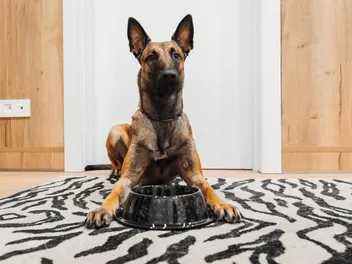
Why Has My Dog Suddenly Started Stealing Food? 5 Vet-Verified Reasons & What to Do


In this article
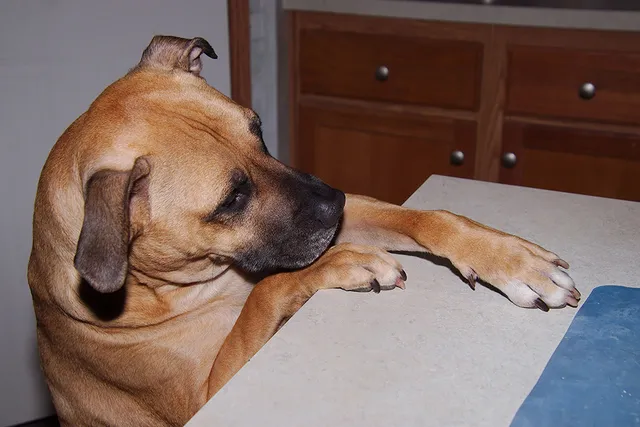
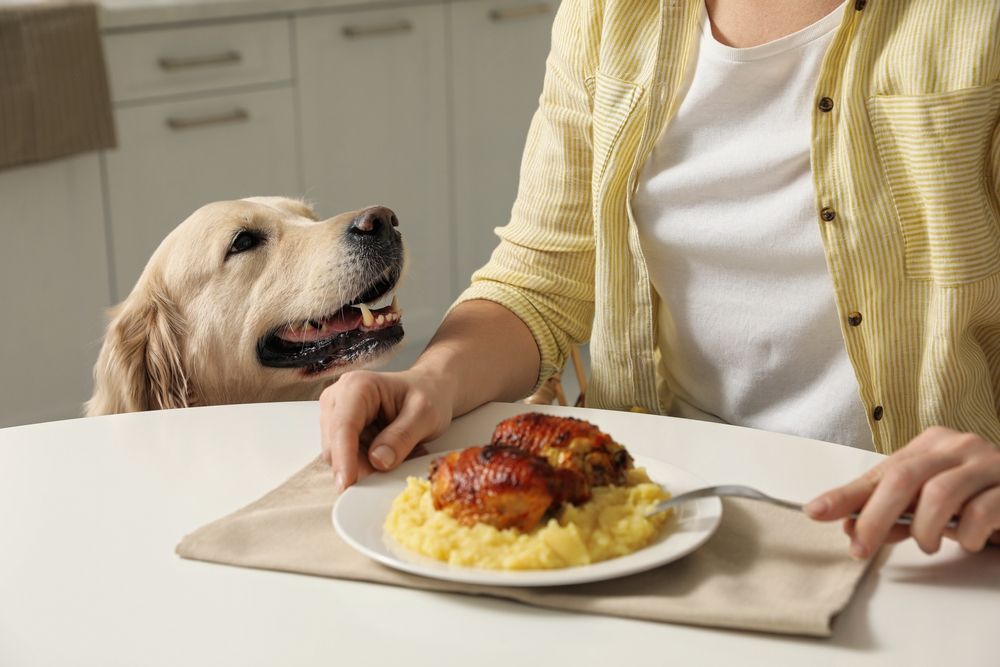
Is your dog stealing food all of a sudden? While you can certainly understand wanting a taste of your delicious food, this behavior can be quite troublesome and frustrating.
Here, we go over the potential reasons, ranging from behavioral to physical, that could be causing this sudden change in behavior and discuss tips and tricks to help stop the thievery in its tracks and return your dog to a well-mannered, rule-abiding family member.

The 5 Possible Reasons Why Your Dog Is Suddenly Stealing Food
1. Instinct
| Physical or Behavioral Concern? | Behavioral |
| Requires Professional Intervention? | Sometimes |
Dogs have been domesticated for thousands of years, but their wild instincts are very much intact when it comes to opportunistic eating. Wolves and other wild canines lead a feast-or-famine kind of lifestyle. If food is available, they take the opportunity to eat it because they don’t know when their next meal will be, and they will likely have to work hard for it.
Some dogs come from neglectful or abusive backgrounds where they were forced to survive on their own, and this can strongly impact their behaviors long after they have gotten out of the horrible situation. The instinct to eat whenever they can is still very much alive and well in our domesticated canines and can cause unwanted behaviors like food thievery.

2. Hunger
| Physical or Behavioral Concern? | Physical |
| Requires Professional Intervention? | No |
If your dog has suddenly started stealing food, it could simply be because they are hungry. Have you made changes to their diet or feeding routine recently? If your dog has been placed on a lower-calorie diet to assist with weight loss or for any other reason, this could cause excess hunger as they adjust.
Also, if your dog has been more physically active recently, this could cause them to be hungrier than usual and may prompt them to see an opportunity and take it. Burning more energy means higher caloric requirements. Strenuous physical activity can leave anyone feeling worn and quite hungry.
- Determine proper dog food portions and ideal daily intake with our helpful calorie calculator here.
3. Boredom
| Physical or Behavioral Concern? | Behavioral |
| Requires Professional Intervention? | Sometimes |
Have you ever heard the expression, “idle hands are the devil’s workshop?” A bored dog is going to try to find something to do. Boredom can lead to a wide variety of unwanted behaviors and can be quite a destructive force. That is one reason that it’s so important to choose a breed that matches your energy level.
If your dog is lacking in a combination of mental and physical stimulation, they may act out and begin stealing food, or could even become destructive and behave out of character. You need to ensure that your dog gets their needed daily exercise. You could also try different types of toys and activities to keep them occupied.
This won’t always require professional help from your veterinarian or a dog trainer, but if this behavior is ongoing and you’ve tried all you can, you should reach out to a professional for further assistance.

4. Lack of Training
| Physical or Behavioral Concern? | Behavioral |
| Requires Professional Intervention? | Sometimes |
When a dog is welcomed into your family, proper training is a must. If you skimp on obedience and training, or you simply didn’t cover all the necessary ground in your training regimen, you may find yourself with a dog that simply doesn’t understand that their behavior is undesirable.
Dogs are intelligent and respond well to training, even if they are well into adulthood. If your dog has never been trained not to steal food, that’s the place to start. Make sure to use positive reinforcement training, as punishment can lead to worse behaviors.
Depending on your situation, you may be able to complete this training yourself without the need for professional help. If not, there’s no harm in reaching out to a trainer for assistance with the matter. It will benefit both you and your dog in the long run.
5. Polyphagia
| Physical or Behavioral Concern? | Can be physical or behavioral |
| Requires Professional Intervention? | Yes |
Polyphagia is a term used to describe a significant increase in appetite that results in ravenous behavior. Polyphagia can be the result of several different underlying causes, ranging from behavioral to physical. Depending on the root cause of the condition, your dog may also exhibit other signs, such as weight loss or gain, increased thirst, increased urination, or a behavior change.
The most common causes of polyphagia include diabetes, trouble with food absorption, parasites, gastrointestinal problems, other endocrine and metabolic disorders, or even certain prescription medications. Diagnosis may involve a variety of laboratory tests, imaging, and possibly an endoscopy procedure. Treatment will be dependent on the underlying cause of the condition.
If your dog is not usually ravenous and is behaving abnormally, contact your veterinarian so the proper testing and diagnosis can be completed. Early detection and treatment will provide the best prognosis for any condition.

The 6 Tips to Prevent Your Dog From Stealing Food
If your dog has picked up the habit of constantly stealing food, it’s time to do something about it. Now that you are aware of what the possible causes are, here are a few tips to prevent the behavior altogether.
1. Begin Training
If you haven’t already, it’s time to start training your dog to understand what behaviors are appropriate and which ones are not. It’s always best to start training from puppyhood or as soon as you bring home a new dog. This will help them acclimate better and will have a profound positive impact on both your life and your dog’s.
An untrained dog that misbehaves can be stressful, but fortunately, the problem is often preventable in many cases and manageable with the right approach. You must dedicate the time and be consistent in your training to reap the benefits, though. Make sure to use positive reinforcement and reward-based training. If you have trouble training, don’t hesitate to reach out to a veterinarian or a professional dog trainer for further assistance.
2. Never Leave Food Unattended
This may seem like a no-brainer, but it can be hard to do. It is easy to be absent-minded when leaving food out on the table or countertops. If your dog is being opportunistic and you are lacking self-awareness, you’re likely going to get some food snatched.
Make sure to put away food promptly after cooking or eating. Never walk away and leave food unattended for any amount of time, as it only takes a second for your dog to act. Make sure you dispose of any leftovers properly. Try getting a locking lid for your trash can, since the smell of the trash entices your dog, and you run the risk of them getting into it.
Additionally, keep the kitchen inaccessible for your pooch, so they cannot be around the counters if there is any food left.
3. Keep Your Dog Well-Fed
Make sure you are feeding your dog a well-balanced diet of high-quality food and are providing the correct quantity of food each day. It’s highly recommended that dogs be fed twice per day, or more often, depending on their age and health. This helps prevent hunger from getting too out of control between meals.
Try your best to stick to a feeding routine that works for both you and your dog. If you ever have any questions about your dog’s diet, be sure to reach out to a veterinarian for assistance in putting together the healthiest meal plan.

4. Keep Your Dog Active and Mentally Stimulated
It’s a good idea to keep your dog from becoming bored. Bored dogs can become destructive dogs, and it can be quite a frustrating thing to deal with. If your dog is constantly mentally and physically stimulated, they will be much less likely to act out of boredom.
Make sure to take the time to fulfill your dog’s daily exercise needs. You should also consider keeping various interactive and stimulating toys on hand, like puzzle toys or even treat-dispensing toys. These can keep your dog’s mind active and give them the satisfaction of the reward of food at the end.
5. Never Feed Them Table Scraps or Other Human Food
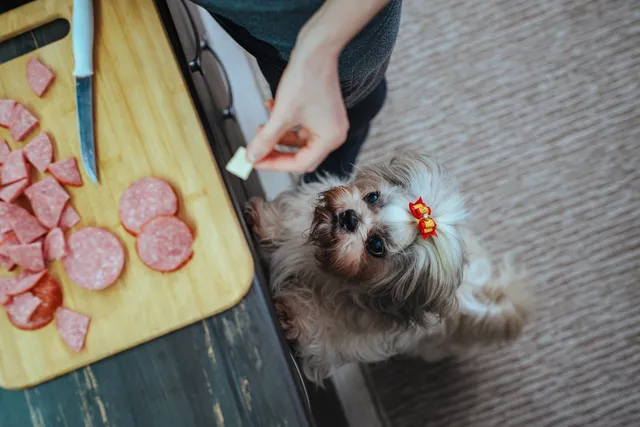
As tempting as it may be, do not feed your dog table scraps or any other type of food that you eat. This can be the beginning of very bad habits, like begging for food. It may be cute at first, but there’s nothing positive about this habit.
It’s only natural for a dog to assume they are going to keep getting more human food if it has been offered to them freely before. The best thing that you can do is to prevent the habit from even starting, as correcting this behavior can prove quite challenging. Not only is this unpleasant in terms of behavior, but your dog also doesn’t need to be consuming human food for the sake of their health.
6. Keep Up With Routine Health Exams
Keeping up with your dog’s routine veterinary healthcare checkups is important for their overall health and well-being. These check-ups enable your veterinarian to keep up on their health status and make it easier to determine if anything unusual is going on with their health.
Check-ups also allow you to discuss any questions or concerns you have about your dog’s health. If your dog is suddenly stealing food and you haven’t gotten to the root cause, feel free to bring up the new behavior to your veterinarian for a professional opinion on why it’s happening and how you can work to correct it.
If your dog has developed an increased appetite, or is showing signs of weight loss or gain, changes in their drinking, or changes in stools, speak to a veterinarian more promptly.

Conclusion
There are a few reasons that your dog may have suddenly picked up the habit of swiping food. There’s no doubt that dogs stealing food is a frustrating behavior, but identifying the root cause can help you move forward with correcting it. Regardless of the cause, there are a few tips and tricks that you can try to prevent and reduce the behavior. If you ever need help with undesirable behavior or feel your dog’s appetite or behavior has inexplicably changed, never hesitate to reach out to your veterinarian for further advice, or a certified canine behaviorist if they received a clean bill of health.
Featured Image Credit: New Africa, Shutterstock
Expert dog care, straight to your inbox
Vet-reviewed advice, training tips, and the best of Dogster. Free, and you can unsubscribe anytime.
By signing up, you agree to our Terms & Conditions and Privacy & Cookies Policy.
I am a wife, mother, nature enthusiast, animal lover, and business major. I was born and raised in Ohio but now live in Tulsa, Oklahoma. We share our home with a German Shepherd, several snakes, tarantulas, and a couple rescue cats.
My husband and I enjoy traveling the US with our kids and photographing wildlife. My passion is to educate others on the importance of proper animal care, with an emphasis on reptiles and exotics since their care requirements can be much more complex. I am also a huge advocate for bully breeds. I feel most at home in the forest either on horseback or in hiking boots.
Join the conversation
Ask a question, share your story, or send private feedback.