What to Give a Dog for an Upset Stomach: 10 Vet-Approved Options



In this article
If you own a dog, you’ve probably realized that the “five-second rule” for dropped food no longer applies. Before you can even blink, your hungry pooch has darted in and wolfed it down. But their tendency to eat anything can lead to an upset stomach.
When your dog’s suffering from an upset stomach, it can be difficult to know how to help. Heavy foods can put too much stress on their digestive system, and no food at all can lead to a betrayed look. The following list is filled with ideas on how you can treat your dog’s upset stomach.

The 10 Ways to Treat Your Dog’s Upset Stomach
1. Baby Food
Designed to be easy to swallow and digest, baby food can be a good solution for your ailing dog. Stage II meat-based baby food is often recommended by veterinarians, especially in emergency hospitals. Chicken, lamb, and turkey recipes are the best options in these cases.
However, you do have to be cautious and double-check the ingredients listed on the label. Many baby foods have garlic or onion powder—sometimes both—as ingredients. Both onion and garlic are toxic to dogs and shouldn’t be given to them at all. These ingredients can make your dog with an already upset stomach feel worse instead of better.
2. Bone Broth
If your dog is turning their nose up at food and water, bone broth is a good option to try. It’s gentle on sensitive stomachs and will hydrate your dog, too. You can make it at home by boiling beef marrow bones—or turkey and chicken legs—in 2–3 inches of water for around 24 hours. Don’t add any other seasonings, just use the bones.
Let it cool for a few hours, scrape off the hardened fat on the top, and store the broth in the refrigerator. Remember to make sure none of the bones are left in the broth, though, as cooked bones can be dangerous for dogs. When you heat it to use, don’t let it get too hot, or it’ll burn your dog’s mouth.
3. Canned Pumpkin and Sweet Potato
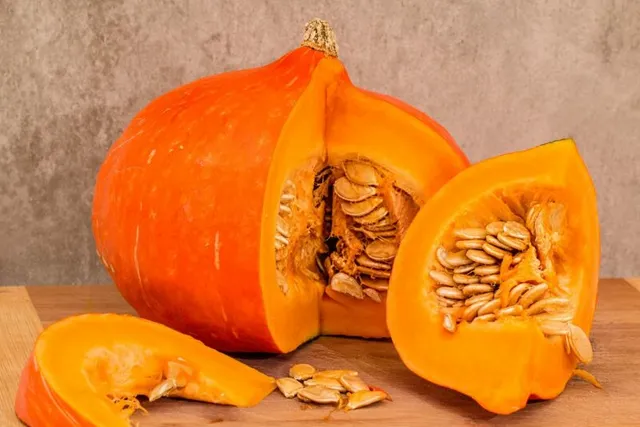
The right amount of fiber can help kick your dog’s digestive system into gear and help with constipation. Both sweet potato—which is used in many commercial dog foods—and canned pumpkin are high in fiber and recommended solutions for minor stomach upsets, like mild constipation.
Using canned pumpkins allows you to save time instead of preparing a pumpkin yourself, but make sure the can that you buy doesn’t have any extra additives. The sugar and spices used in pie filling, for example, can make your dog’s upset stomach worse.
You can also use pumpkin powder if you can’t find any plain canned pumpkin.
4. Chicken and Rice
With no seasonings, a meal of chicken and rice doesn’t sound that appetizing. However, for an already upset stomach, bland food is the best way to go. Both chicken and rice are used in many commercial dog food options. Rice, in particular, is nutritious but bland enough that it won’t worsen your dog’s intestinal issues.
Better still, it’s a simple dish to prepare. Boil boneless chicken, shred it, and mix it in with rice. The addition of the chicken will make the rice more appealing to your pooch. Don’t be tempted to add any other ingredients to it, though. Too many ingredients or extra seasonings will only stress your dog’s stomach further.
5. Ice Cubes
Hydration is one of the best ways to keep your dog healthy, whether they’re feeling icky or not. Making sure your dog is drinking enough clean water will also help prevent stomach issues in the first place.
For treating an upset stomach, though, especially if your dog is vomiting or suffering from diarrhea, too much water at once can upset their stomach further. Little and often is the key here.
Keep a small amount of water in their bowl to help control their water intake, or give them ice cubes regularly throughout the day. Monitor how well your dog keeps the small amounts of water down, and slowly increase how much you give them and how often.
6. Medication
Over-the-counter medication can help when it comes to treating diarrhea and constipation. You have to be careful here, though. Many medications designed for humans aren’t suitable for dogs, and even if they are, the proper dosage for your pooch won’t be mentioned on the label.
By consulting with your veterinarian first, you can be absolutely certain that you’re not making your dog’s upset stomach worse. Discussing your dog’s symptoms with a vet will help you decide on treatment, determine why your dog is having problems, and figure out which over-the-counter medications are safe to use.
When in doubt, play it safe and try another option on this list or medication designed specifically for dogs.
7. No Food
Most canine companions rarely go without food, but sometimes, withholding meals for a day can help settle your dog’s stomach. By removing their access to food for 12–24 hours, you’re giving your dog’s stomach a break from the stress of digesting.
You do have to be careful with this option. Certain small breeds, dogs with existing health conditions, and puppies don’t handle fasting as well as healthy adult dogs do. Withholding food will also challenge your determination to meet your pooch’s devastated puppy dog eyes when they miss a meal.
If you’re unsure about this option, check with a veterinarian to ask for their recommendations. You can also ask about diet options after the allotted fasting time is over to further help your dog’s recovery.
8. Probiotics
We’ve all had issues with stomach aches and know how long the discomfort can last, even after the worst is over. Probiotics are a good way to restore the balance in your dog’s gut after they've recovered. By giving them a probiotic designed for dogs or plain, unsweetened probiotic yogurt, you can help give their stomach an extra health boost.
One of the best things about this option is that it’ll help prevent future issues, too. By helping your dog maintain the health of their digestive system, you can help avoid other gastrointestinal issues.
9. Shredded Chicken

Chicken on its own can help soothe your dog’s upset stomach. Cook it thoroughly by boiling to soften it and make it easier to shred. Plain is the way to go here, so don’t add any seasonings. Soft-boiled chicken is easy to digest and will encourage your dog to eat something that won’t weigh heavily on their stomach.
You can keep leftovers in the fridge for up to 3 days in case you need to keep your dog on a bland diet for a bit longer. Or, you can plan ahead and freeze it for up to 6 months.
10. Slippery Elm Bark
Available as tablets, powder, capsules, or liquid, slippery elm bark is a natural remedy for gastrointestinal problems like diarrhea. It works by lubricating your dog’s stomach and intestines with the active ingredient, mucilage. The antioxidants are also good for reducing inflammation.
However, there aren’t many studies regarding how useful slippery elm bark is, and it shouldn’t be used at the same time as other medications that your dog might be on because it might interfere with how well they're absorbed. Your veterinarian will be able to help you ensure that there are no bad interactions between the slippery elm bark and other medications.
What Causes an Upset Stomach in Dogs?
An upset stomach can be caused by many things, from a minor case of indigestion to a more serious illness like cancer. The causes aren’t always easy to determine, but narrowing down the reasons that your dog has an upset stomach will help you determine whether a trip to your veterinarian is necessary or if the symptoms will pass in a few hours.
These causes aren’t all-inclusive, but they may be why your dog is suffering from an upset stomach.

Bloat
One of the most serious issues with many animals is bloat or gastric dilation-volvulus. It’s a serious condition where your dog’s stomach twists due to too much food, gas, or fluid. Unfortunately, for many dogs, this condition comes on suddenly and is fatal if not treated quickly.
The symptoms of bloat are:
There isn’t much certainty about what causes this problem, only that some dogs, like Great Danes, are more susceptible than others. Common causes are eating too much, exercising immediately after eating, and stress.
Blockage
No matter how old your dog is, they’re bound to have eaten something that they shouldn’t have at some point. Puppies or dogs with pica—a condition where they crave non-food items—can swallow non-digestible items that get caught in their digestive system.
This blockage is what causes many stomach upsets in dogs. It also often requires surgery to fix and should be treated as soon as possible to prevent further complications.
Diet Change
Dogs might be scavengers in the wild, but they can be incredibly sensitive to sudden changes in their diet. Sometimes, changing the brand of their food is necessary, whether it’s because their original brand gets too expensive or your pooch no longer enjoys it. There’s a reason that commercial dog food labels include instructions for transitioning to a new brand, though.
Even if the food has the same flavor, the sudden change in ingredients can wreak havoc on your dog’s sensitive stomach. Introducing their new food slowly by mixing it with the old brand will help their bodies adjust to the change without causing unnecessary stress.
Eating Too Fast
While wolfing down food certainly gets the meal done faster, it tends to disagree with our stomachs. Our dogs are the same. The faster they eat, the more likely it is that their stomachs will protest about the sudden rush of food.
Eating too close to another dog, anxiety, or hyperactivity can all cause your dog to eat too quickly. You can help control their speed by breaking their meal into smaller portions until they learn to slow down. Slow feeders are also an option if you don’t have time to wait for your dog to finish each portion.

Stress
A common cause of many issues, whether in our canines or ourselves, is stress. It has a nasty habit of tensing up our muscles even when we don’t realize it. This can lead to aches and pains along our shoulders and back, headaches, and even issues with our digestive system.
Dogs enjoy routine. While some are more adaptable to sudden changes than others, anxious canines can be set off by something as simple as missing their morning walk. If their stress doesn’t put them off their food, it can make them eat too fast or give them a bad stomach ache after they’ve eaten.
Try to keep their routine as stable as possible. This is especially important if you’re going through a big change, whether it’s introducing a new family member, moving to a new house, or just redecorating.
Underlying Medical Condition
Outside issues aren’t the only things that can set off a dog’s sensitive stomach. An underlying medical condition can be just as problematic and sometimes won’t be noticed until you visit a veterinarian.
If your dog’s symptoms last for longer than 24 hours, they’re not eating or drinking, or they have blood in their poop, you should take them to your local veterinary clinic to rule out any serious medical conditions.
What Are the Signs of Stomach Upset in Dogs?
Understanding the causes of gastrointestinal problems in dogs is only one part of the battle. Dogs are notorious for hiding their discomfort, and being familiar with the signs will help you recognize the symptoms and help treat them.

Signs of stomach upset include:
Final Thoughts
Dealing with an upset stomach is no fun for anyone, and there often isn’t much that we can do to help our dog feel better except to let it run its course. But there are a few ways that we can lessen the stress on their digestive system. A bland diet of chicken and rice will put less strain on their stomach, giving them more time to recover.
Sometimes, though, an upset stomach can be caused by a serious issue that requires veterinary treatment. Recognizing the symptoms of minor and more serious stomach upset will help you determine the right course of action.
Related Reads:
Featured Image Credit: Igor Normann, Shutterstock
Expert dog care, straight to your inbox
News, insights, expert advice, and everything dog.

No spam — unsubscribe anytime.
By signing up, you agree to our Terms & Conditions and Privacy & Cookies Policy.
How useful was this post?
Click a star to rate. You can leave written feedback afterwards. (We read all feedback.)
Nicole has loved animals of all sizes her whole life so it's no wonder she has dedicated her career to helping them through what she loves best: learning, writing, and sharing knowledge with others. She’s the proud mom of two dogs, a cat, and a human. With a degree in Education and 15+ years of writing experience, Nicole wants to help pet parents and pets around the planet to live happy, safe, and healthy lives.