How to Spot Dog Obesity Before it Becomes a Bigger Problem


In this article
Obesity in dogs is not always obvious. Weight gain can happen gradually, making changes in a dog’s body shape, energy levels, and daily habits surprisingly easy to overlook. By the time the extra weight becomes noticeable, it may already be affecting how comfortably a dog moves and plays.
A dog’s ideal weight is not simply a numbers game. Body shape, the feel of the ribs, and changes in normal behavior can all offer useful clues. Paying attention to those details can make it easier to recognize when a dog may be carrying more weight than is healthy.
A Changing Body Shape Can Be An Early Clue
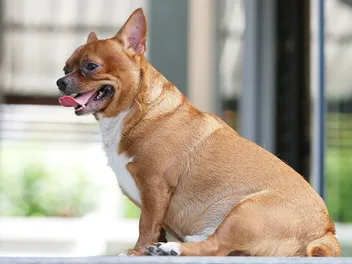
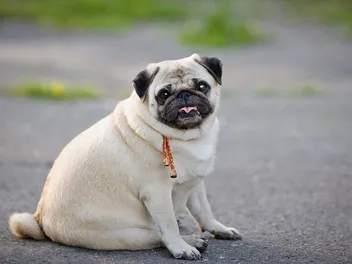
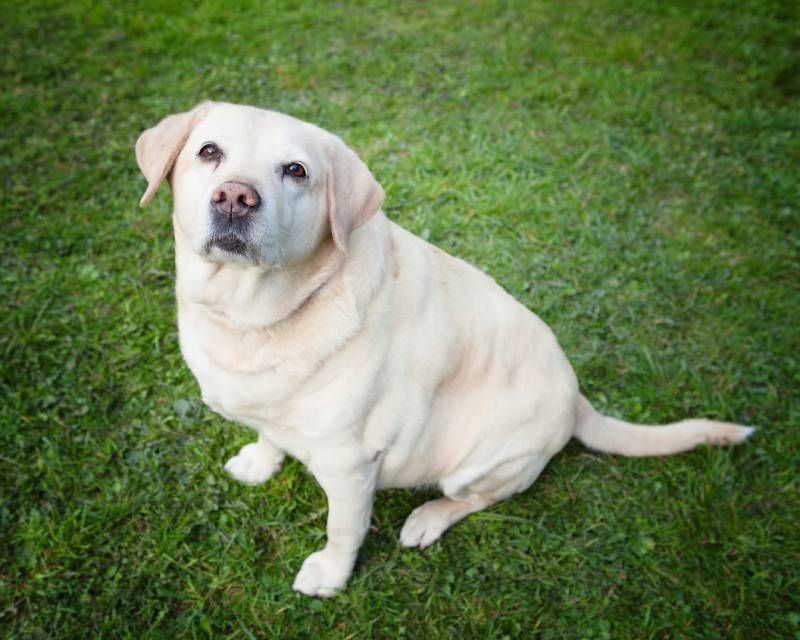
One of the most useful things to look at is body shape. A healthy adult dog should have a noticeable waist when viewed from above, and from the side, the abdomen should tuck upward rather than hanging down. The ribs should also be easy to feel with a simple touch, but not so prominent that you can count them from across the room!
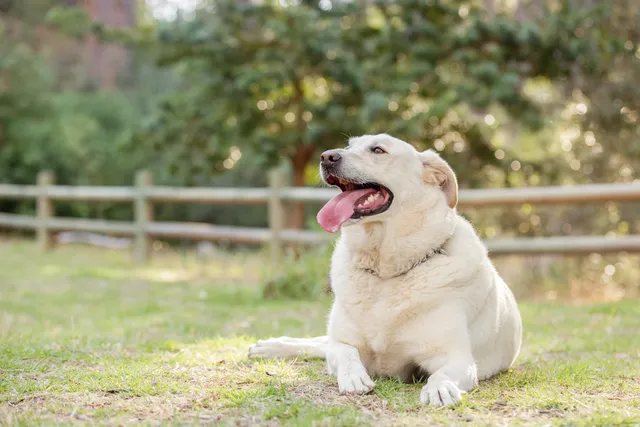
When the ribs become difficult to feel, the waist disappears, or the stomach begins to expand outward between the ribs and hips, it’s a sign that the dog is carrying excess body fat. Veterinarians use a body condition scoring (BCS) system to assess this, with 4 or 5/9 being ideal. Anything above that means the dog is overweight or obese.
Using the BCS system allows you to determine an individual dog’s ideal body weight, rather than a simple breed chart, which doesn’t account for variation in size, shape, or mixed breeds.

Everyday Habits May Start To Look Different
Changes in everyday routines can provide another indication that weight is becoming an issue. A dog that once eagerly chased toys or enjoyed going for walks may start showing less interest in those activities. A dog may also sleep more or simply spend more time lying around.
Even smaller changes can be worth noticing. Defecation schedules or the type of bowel movements may change as well. These can also be signs of underlying health issues, not just obesity, and any noticeable shift in normal habits is worth discussing with a veterinarian.
Panting Can Be An Early Warning Sign
Breathing can offer another clue. Panting is perfectly normal after exercise or in other situations when dogs need to cool themselves down. Frequent panting while resting, lying down, or doing very little is a different story.
Extra weight can put additional strain on the cardiovascular and respiratory systems. As a result, a dog carrying excess weight may have a harder time getting the oxygen it needs and may pant more frequently, even when it has not been particularly active.
Panting outside normal situations can also be an indicator of pain, arthritis, or heart disease, so it’s worth further investigation.
Jumping and Movement May Become Harder
Mobility can change, too. A dog that once jumped easily onto a couch, bed, or into a car may suddenly stop doing so. Extra weight makes ordinary movements more demanding and can contribute to tiredness or discomfort.
There are plenty of other reasons a dog might struggle to jump, including arthritis, joint pain or an injury, so difficulty with movement should not automatically be blamed on weight. Still, when a change in mobility appears alongside weight gain, it is something worth having checked.

Lower Energy Can Become Part of the Cycle
A noticeable drop in energy can follow a similar pattern. Dogs carrying extra weight may become less active and spend more time resting. As activity decreases, fitness can also decline, making movement increasingly difficult.
This can create a frustrating cycle. Less movement means fewer opportunities to stay active, while carrying extra weight can make activity more challenging in the first place. A dog that has become noticeably less energetic alongside weight gain may need a closer look.
Steady Weight Gain is Another Warning Sign
Weight itself can provide one of the clearest clues. Dogs generally reach their full weight by around 18 to 24 months of age. After about two years old, their weight should not rise significantly.
Small fluctuations of a couple of pounds are normal due to daily eating and defecation, but a steady upward trend deserves attention. Regularly checking a dog’s weight can make gradual changes easier to recognize.

Managing Excess Weight Takes More Than Exercise
Managing excess weight generally involves both food and activity. More frequent or longer walks, indoor play, and trips to the dog park can all encourage movement, but if the calories going in are consistently more than those being burned, you’re going to be fighting an uphill battle.
Food intake is arguably more important, and portions should be based on the desired weight rather than the current weight. Cutting back on human food and treats can also help, while lower calorie or weight loss diets may be appropriate in some cases.
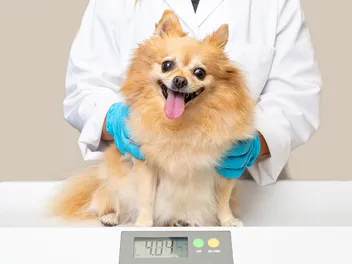
A veterinarian can help determine the right approach and monitor progress, and many practices offer weight clinics to help you stay on target. These checkups can track weight and body condition, while regular check-ups with the vet will alert you to any health problems associated with obesity, including diabetes, joint damage, liver problems and fatty tumors, as well as check for hormonal disorders that can contribute to weight gain such as hypothyroidism.
Weight gain can be easy to miss when it happens slowly. Looking beyond the scale and noticing changes in body shape, breathing, energy and mobility can make those gradual changes much easier to spot.
Featured Image Credit: iLight photo, Shutterstock
Did You Know?
- Our brand-new posts are rounded up and included in our weekly emails. Don't miss out on the latest - sign up for our newsletter below!
Expert dog care, straight to your inbox
Vet-reviewed advice, training tips, and the best of Dogster. Free, and you can unsubscribe anytime.
By signing up, you agree to our Terms & Conditions and Privacy & Cookies Policy.
Dan has been working in the dog world for over 4 years, covering dogs and all other pets, helping pet parents keep their companions happy, healthy, and totally spoiled! Originally from London, Dan now works remotely, which sadly means no pets at home, but plenty of opportunities to fuss over other people's furry friends.
Join the conversation
Ask a question, share your story, or send private feedback.